Winter listening sometimes calls for a different kind of classical music.
During this time of year, many listeners gravitate toward pieces that are quiet and emotionally contained: music that can exist comfortably alongside candlelight, reading, or reflection.
The Danes and Norwegians have a term for the feeling: hygge, a cosy, contented mood associated with comfort, warmth, and quiet conviviality.
Scandinavian composers have long excelled at expressing hygge-related moods. Shaped by dark winters, a strong tradition of domestic music-making, and cultural attitudes that value restraint over excess, many Nordic composers wrote works ideally suited to the season.
Today we’re looking at eight works of classical music by Scandinavian composers that fit winter and the hygge aesthetic. Together, they make a playlist of quiet classical music perfect for cosy winter evenings by the fire.

Edvard Grieg – Arietta from Lyric Pieces, Op. 12, No. 1
Edvard Grieg – Notturno from Lyric Pieces, Op. 54, No. 4
Edvard Grieg (1843–1907) is remembered as Norway’s most famous composer.
Although he is probably best remembered for larger-scale works like his piano concerto and his Peer Gynt Suite, he also poured his heart into composing small-scale, hygge-friendly music.
His Lyric Pieces for solo piano, written in multiple books over decades, function almost like a musical diary.
The “Arietta,” the first piece of the Op. 12 set, is disarmingly simple – a few lovely, hushed, plaintive phrases that seem to circle themselves.
His “Notturno,” composed much later, employs richer harmonies but comes across as equally restrained.
Together, these works reflect Grieg’s lifelong love of music meant to be played at home, especially during long winters.
Carl Nielsen – “A Little Slow Waltz” from Humoresque-Bagatelles, Op. 11, No. 3
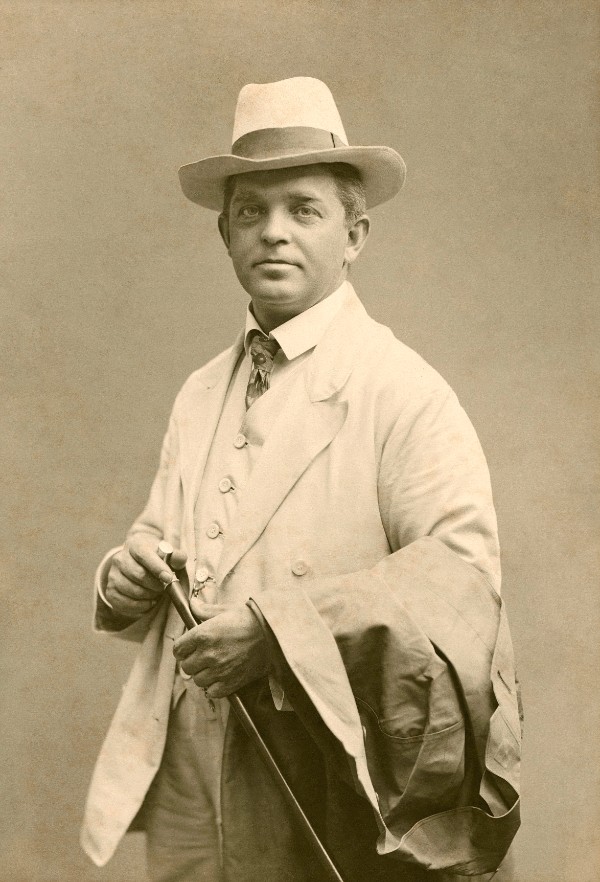
Georg Lindstrøm: Carl Nielsen carte de visite, ca 1908
Carl Nielsen: 6 Humoresque-Bagatelles, Op. 11, FS 22: No. 3. En lille langsom vals (A Little Slow Waltz) (Nanako Sugiura, piano)
Carl Nielsen (1865–1931) is best known for his symphonies and their muscular energy, but his smaller piano works reveal a very different side of his personality.
In the 1890s, as he established himself as a leading Danish modernist, he also wrote his Humoresque-Bagatelles, a collection of simple, child-friendly piano pieces.
Born into a peasant family of passionate folk musicians, Nielsen always appreciated informal, small-scale musical performances held at home.
“A Little Slow Waltz” from the Humoresque-Bagatelles feels informal and conversational, like a piano waltz played at home on a winter afternoon.
Agathe Backer-Grøndahl – Norske folkeviser og folkedanse, Op. 30, No. 1
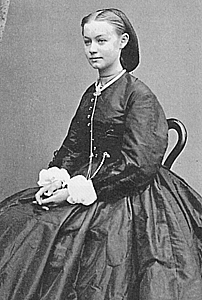
Agathe Backer Grøndahl, c. 1870
Agathe Backer-Grøndahl: 11 Norske folkeviser og folkedanse, Op. 30: No. 1. Brudeslaat (Lom?) (Sara Aimée Smiseth, piano)
Norwegian pianist and composer Agathe Backer-Grøndahl (1847–1907) was a near contemporary of Edvard Grieg.
Like him, she enjoyed an international reputation and pursued a passion for integrating Norwegian folksong into her compositions. However, unlike him, she had to balance her career with pregnancy and motherhood – constraints that contributed to her unfair obscurity today.
The first movement of this piano suite – whose title can be translated as “Norwegian folk songs and folk dances” – is a quiet, proud, even poignant celebration of Norwegian folksong.
Jean Sibelius – “Nocturne” from Belshazzar’s Feast Suite, Op. 51
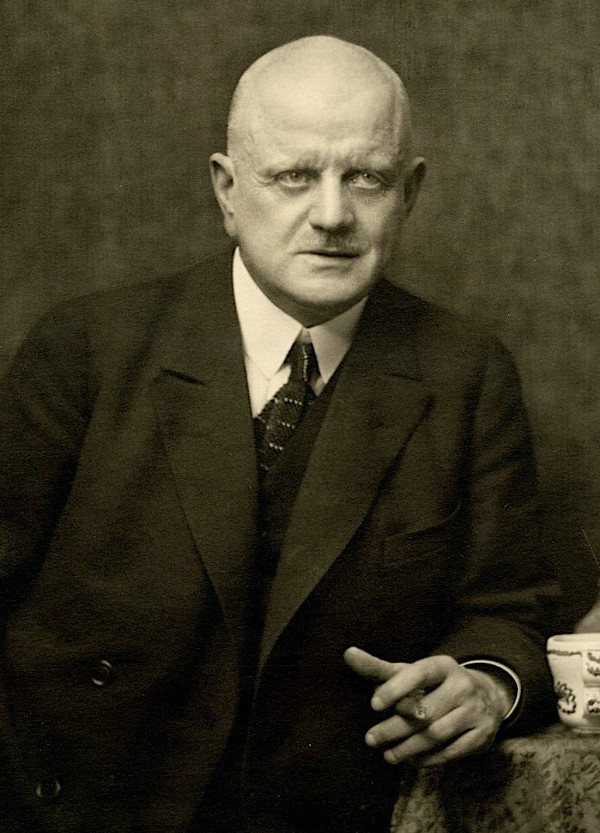
Jean Sibelius, 1923
Jean Sibelius: Belsazars gastabud (Belshazzar’s Feast), JS 48: Act II: Prelude: Nocturno (Turku Philharmonic Orchestra; Leif Segerstam, cond.)
Much of the music of Finnish composer Jean Sibelius (1865–1957) is defined by its sense of stillness. He spent much of his career composing in his isolated country home in the snowy fields and forests outside of Helsinki.
The Nocturne from his incidental music Belshazzar’s Feast Suite is orchestral, but its emotional scale is surprisingly intimate. Rather than advancing any narrative, it creates a stunning pause and sense of suspension with its muted colours and wintry flute solo.
Elfrida Andrée – Yuletide Reverie
Elfrida Andrée (1841–1929) led a life of public firsts: Sweden’s first female cathedral organist, a tireless advocate for women’s rights, and a prolific composer across genres.
Given her public achievements, one might expect her music to be larger than life, and it could be, but she also excelled at writing introverted and introspective music.
Her solo piano piece “Yuletide Reverie” sidesteps overt festivity. Instead, it offers a sense of nostalgia and quiet contemplation of the season: perfect for cosy hygge nights.
Ida Moberg – “Stillness” from Sunrise Orchestral Suite
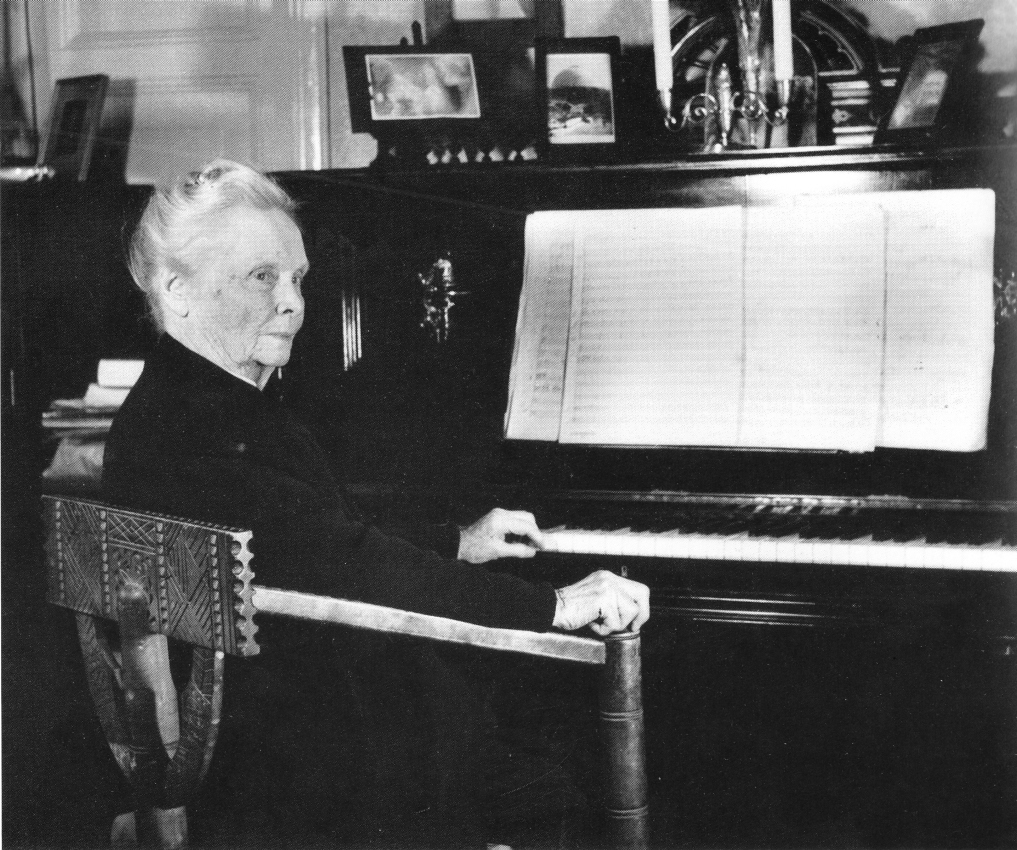
Ida Moberg
Ida Georgina Moberg: Sunrise: IV. Stillness (Gothenburg Symphony Orchestra; Johannes Gustavsson, cond.)
Finnish composer Ida Moberg (1859–1947) built a career largely outside the musical mainstream.
The daughter of an instrument maker, she began her career as a singer. After a vocal injury, she transitioned to piano, conducting, and composition. She even studied under Jean Sibelius in the 1890s.
Although she never secured a foothold as a professional composer and relied on teaching to support herself, she continued composing throughout her life.
“Stillness,” from her Sunrise Orchestral Suite (1909), is remarkable for its breathtaking restraint. It is scored solely for strings, giving it a hushed, gossamer quality.
Despite the forces involved, the music remains remarkably delicate. It is perfect listening for any cosy winter evening.
Wilhelm Stenhammar – Two Sentimental Romances for Violin, Op. 28, No. 1
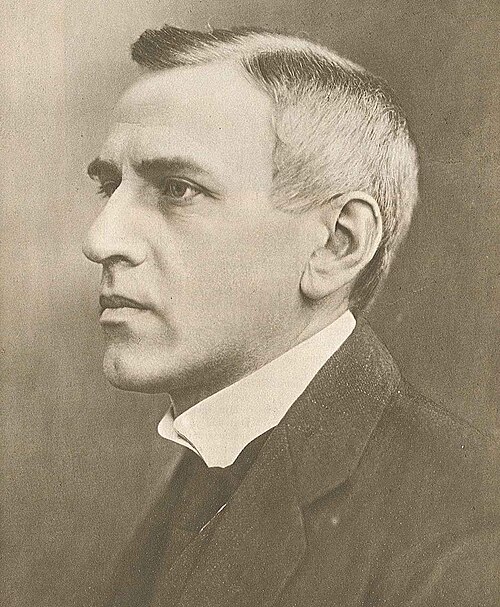
Wilhelm Stenhammar, c. 1916
Wilhelm Stenhammar: 2 Sentimental Romances, Op. 28: No. 1 in A Major (Henning Kraggerud, violin; Dalasinfoniettan; Bjarte Engeset, cond.)
Swedish composer Wilhelm Stenhammar (1871–1927) was one of Sweden’s most important pianists during his lifetime. He also conducted and composed and was deeply inspired by Sibelius.
Between 1906 and 1922, he led the Gothenburg Symphony Orchestra, where he championed and premiered important new works by Scandinavian composers. The orchestra is still active today.
The first of his two Sentimental Romances is tender without ever – despite its name – coming close to indulgence, unfolding gently at an unhurried pace. It is lovely and nostalgic music, perfect for an introvert’s winter playlist.
Conclusion
For listeners seeking classical music that feels comforting without ever becoming background noise, these eight quiet works by Scandinavian composers offer a compelling starting point.
They are the perfect soundtrack for evenings spent under a blanket beside a gently crackling fire, written by men and women who were all experts at making the most of the season.
Together, they demonstrate a Scandinavian approach to quiet classical music, emphasising modest forms and emotional restraint over flash and spectacle.
For more of the best in classical music, sign up for our E-Newsletter