George Gershwin: Rhapsody in Blue (arr. R. Hekkema for reed quintet): Tempo I (Calefax Reed Quintet)
Today, I’d like to introduce you to a musical movement from the late 1950s and early 1960s that you may simply never have heard of: a movement full of cross-pollinations and fruitful encounters between figures from seemingly oppositional and separate cultural spheres.
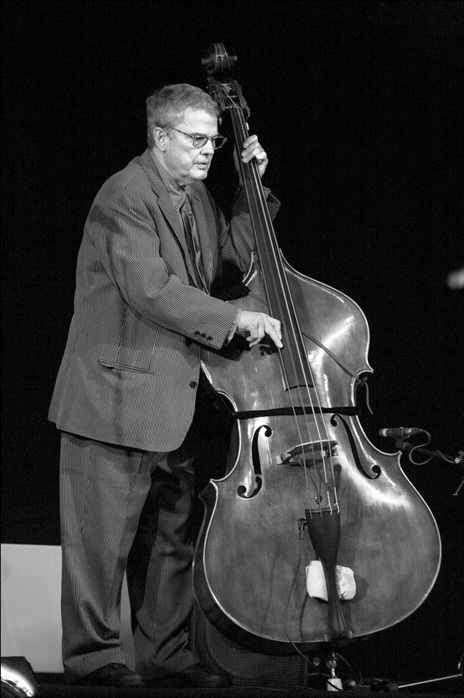
Charlie Haden in 2007
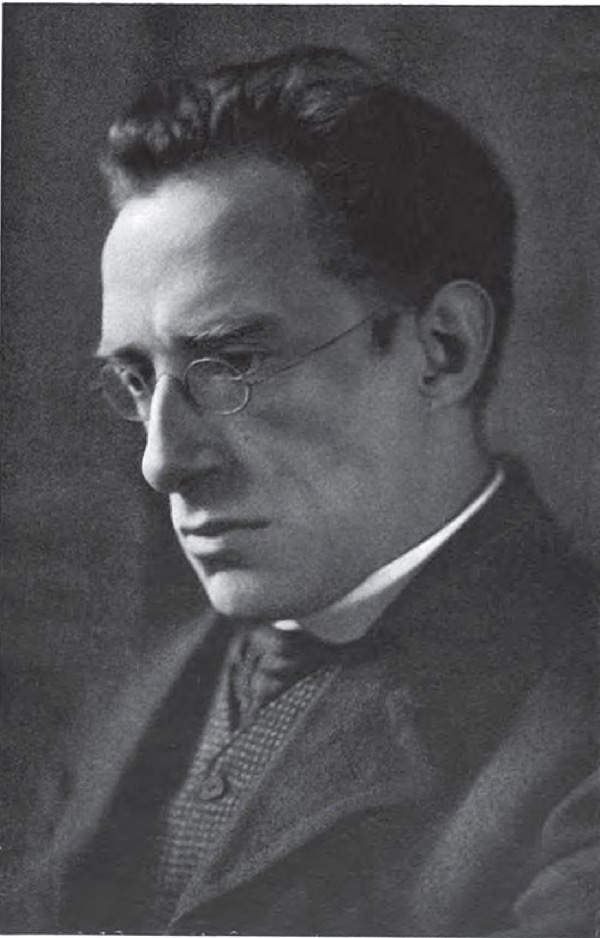
Mid-gig at New York City’s hopping Five Spot, jazz bassist Charlie Haden and saxophonist and composer Ornette Coleman were rather stunned to see Leonard Bernstein sitting in the crowd, grooving with the best of them. The movement responsible for this and other such surreal synchronicities was called the Third Stream, coined by Queens-born, classically trained horn player Gunther Schuller. The future head of the New England Conservatory, Schuller’s earlier career highlights included playing horn with a chamber ensemble to record Miles Davis’ iconic Birth of the Cool. In a lecture at Brandeis University, Schuller synthesised his experience and knowledge of composition and both the jazz and classical worlds into a critical framework. He continued to be the central theorist of the Third Stream throughout his working years, and defined it perhaps most succinctly in his autobiography, Musings: The Musical Worlds of Gunther Schuller, where he called the movement “a new genre of music located about halfway between jazz and classical music.”
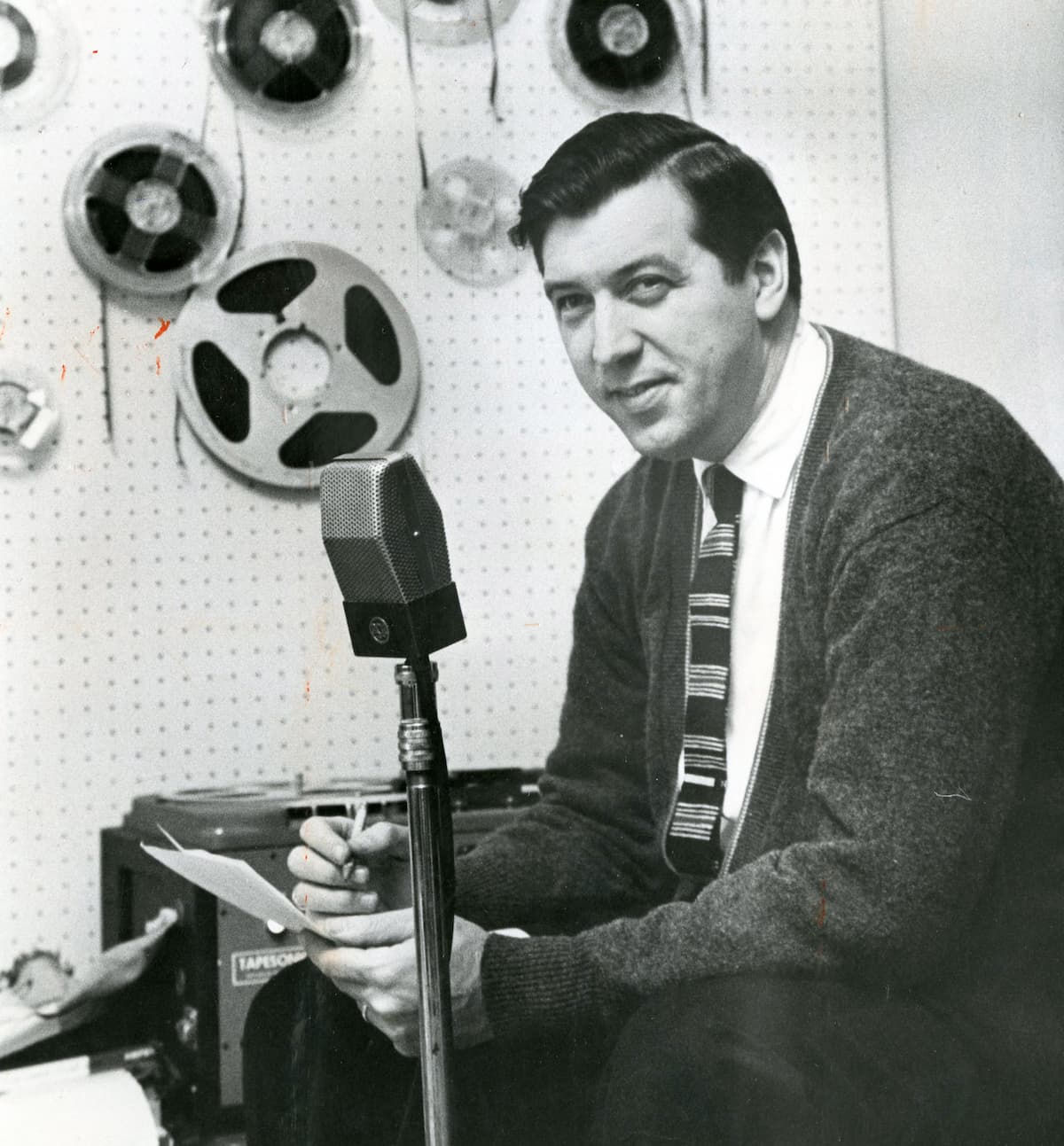
Gunther Schuller
The Third Stream was conceived by Schuller and other central composers and performers as a genuinely cross-genre, collaborative project. Crucially, music in the Third Stream could be created by jazz musicians and classical composers alike, but needed to involve genuine study of the other genre’s methods, technique, and mores. This musical knowledge was then incorporated into the work in a foundational, as opposed to purely surface-level or inflectional, way. Third Stream was not a subsect of jazz, as was a common misapprehension; nor was it the re-orchestration of jazz works for classical ensembles or vice-versa. Instead, it involved classical composers learning to make space for improvisation and enriching their works with jazz’s rapidly evolving modal, temporal, and harmonic language. In tandem, jazz composers, bandleaders, and players experimented with classical timbres, scored contrapuntal lines, and took a more symphonic approach to form. Encyclopedia Cobalt quips, “If Hard Bop was jazz walking back toward the street, Third Stream is jazz walking into the conservatory.” This is somewhat true, but as the Bernstein and Schuller anecdotes prove, Third Stream was also a matter of classical composers slinking into jazz clubs, bands, and recording sessions.
Encyclopedia Britannica stipulates three necessary components of the Third Stream: it involves fusion, a broad scope of influence and musical inclusion, and – perhaps the biggest distinction between earlier jazz-classical interactions – two-way influence. In earlier decades, jazz was unfortunately often treated by classical composers as a kind of naïve folk-music, worthy of private fascination or borrowing for exoticist flavour but not always worthy of rigorous or institutional study. At the same time, jazz musicians were largely not allowed entry into the classical world and its institutions, and likely had more immediate concerns in any case than the study of classical music. Jazz pioneers fought for legitimacy and due recognition of their talent and contribution to America’s cultural and financial ecosystem throughout the turbulence of the first half of the 20th century and beyond.
This paints rather a bleak picture, but the beautifully idealistic model of the Third Stream did have precursors: jazz and classical music had been brushing shoulders with positive effects for decades. In the 1950s, an 11-year-old piano prodigy won a young artist competition, the prize of which was an opportunity to perform a Mozart Piano Concerto with the Chicago Symphony Orchestra. This winner was none other than Herbie Hancock. George Gershwin’s Rhapsody in Blue (1924) was a key ancestor of Third Stream, with its irresistible charm, broad appeal, and a foot in both jazz and classical camps. After the heyday of the Big Band, renowned jazz clarinettist Benny Goodman almost exclusively performed classical music – so much so that composer Aaron Copland wrote his Clarinet Concerto (1947) especially for him. The blog of note documents the uplifting tapestry of jazz-classical interaction across America and Europe, tracing decades-long partnerships and collaborations through the entirety of the 20th century. For example, Charlie Haden of this article’s opening story went on to win the Guggenheim Fellowship at the recommendation of Leonard Bernstein. By the 1970s, jazz and classical musicians had cultivated a strong foundation of interdisciplinary respect, to which the Third Stream had been a significant contributor: in 1974, the BBC released a documentary special on jazz piano led by two hosts, jazz pianist and composer Oscar Peterson and classical-jazz pianist and conductor André Previn.
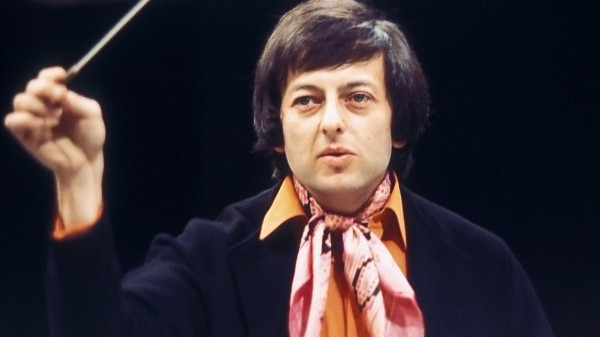
André Previn
Stay tuned for the second part of this article, where we’ll meet the key players and composers of the Third Stream (with recordings and analysis), discover how the movement was received and the critical issues that arose, and learn why exactly the movement lost momentum.
For more of the best in classical music, sign up for our E-Newsletter