The golden age of the castrato lasted roughly a century – from the mid-1600s to the late 1700s – before shifting tastes and growing ethical discomfort brought the practice to an end.
The singers who defined that era were among the most celebrated performers in Western music history, commanding enormous salaries, inspiring the greatest composers of their day, and living lives that were often as dramatic as the operas they performed in.
Here are three of the most famous castrati in history.
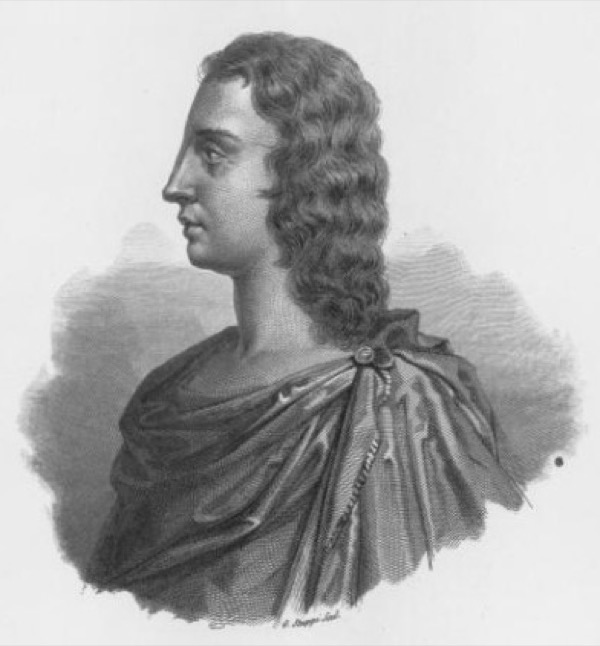
Gaetano Guadagni (1728–1792)
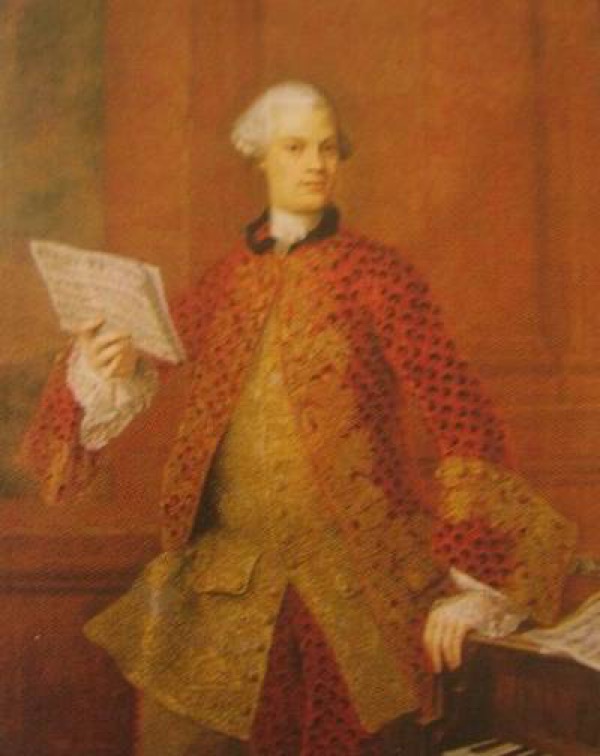
Gaetano Guadagni
Gaetano Guadagni was born in 1728 in the Italian city of Lodi, to a musical family. He was castrated sometime in the 1730s.
In 1746, at eighteen, he joined the choir at the Pontifical Basilica of Saint Anthony of Padua. The same year, he also made his operatic debut in Venice.
Church authorities disapproved of his professional choices, and at twenty he left sacred music for opera.
By the late 1740s, he’d relocated to London and was becoming infamous for his libertine lifestyle. (Castrati were, for obvious reasons, appealing lovers in an era without reliable birth control.)
In between love affairs, Guadagni teamed up with Handel, who reworked arias from his oratorios to suit his voice. The most famous example of this collaboration is Handel’s reimagining of the Messiah aria “But Who May Abide the Day of His Coming.”
Handel’s “But Who May Abide the Day of His Coming” from Messiah
Their creative partnership ultimately culminated in Handel writing the part of Didymus into the oratorio Theodora specifically for him.
Guadagni also inspired composer Christoph Willibald Gluck. The role of Orpheus in Gluck’s opera Orfeo ed Euridice was written for him in 1762.
Gluck’s “Che farò senza Euridice” from Orfeo ed Euridice
This opera marked a major shift in operatic style, prioritising musical line, drama, and characterisation over virtuoso fireworks.
Guadagni ended up loving the role of Orpheus so much that he interpreted other composers’ retellings of the same story, including Antonio Tozzi’s and Ferdinando Bertoni’s.
In the 1770s, he largely retired in Padua, built a large house, and rejoined the choir at the Pontifical Basilica of Saint Anthony.
He sang his final operatic role – in Deucalione e Pirra by composer Antonio Calegari – in 1782, and died a decade later.
Gaspare Pacchierotti (1740 – 1821)
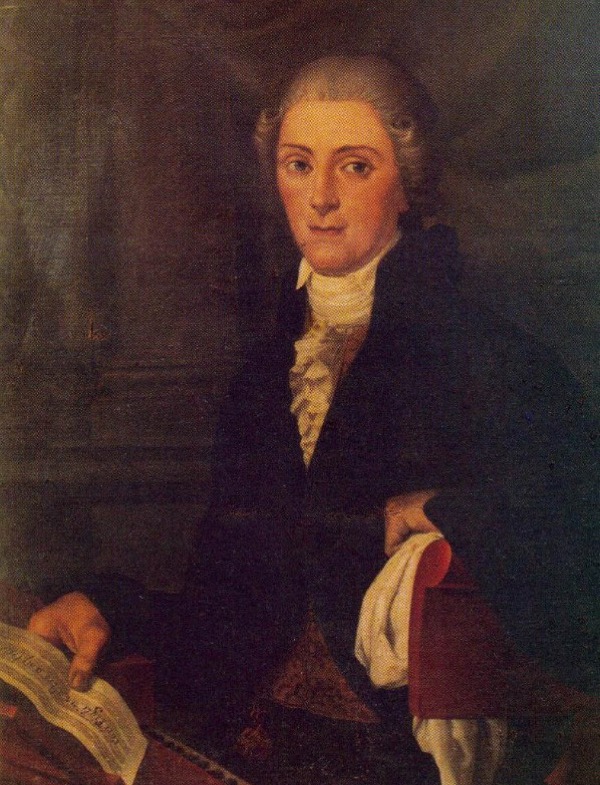
Gaspare Pacchierotti
Gaspare Pacchierotti was born in Fabriano, Italy, in 1740.
We know very little about his early life, but he is believed to have sung in the local cathedral.
He made his debut at nineteen, starring in the opera Le nozze di Dorina by Venetian composer Baldassare Galuppi. Over the next decade, he established himself in Venice.
In 1771, he moved to Naples to sing at the legendary Teatro San Carlo. His leading lady was usually Anna de Amicis, whom Mozart and his father admired.
Sometimes Pacchierotti got into spats with de Amicis’s fans. An officer in the Royal Guard, a nobleman named Francesco Ruffo, was a particular fan of de Amicis, and he once insulted Pacchierotti. A duel ensued, and Pacchierotti spent a few days in jail.
He made appearances in London between the 1770s and 1790s. His love life was notorious, and he had a relationship with Susanna Burney, the daughter of music historian Charles Burney. (For what it’s worth, Charles Burney called Pacchierotti’s singing “divine.”)
In 1792, he returned to Italy and, the following year, gave what he thought would be his final performance at the age of 53.
However, when Napoleon conquered Italy in 1797, he was compelled to come out of retirement to sing and support himself – to his annoyance.
He channelled his anti-French sentiments into a letter that the police intercepted. The consequence was jail time (again).
In his later years, he often met with composers, including Rossini, who famously said, “Give me another Pacchierotti, and I will know how to write for him!”
He sang in public for the final time in 1817, at the remarkable age of 77. He died a few years later, in 1821.
Giovanni Battista Velluti (1780 – 1861)
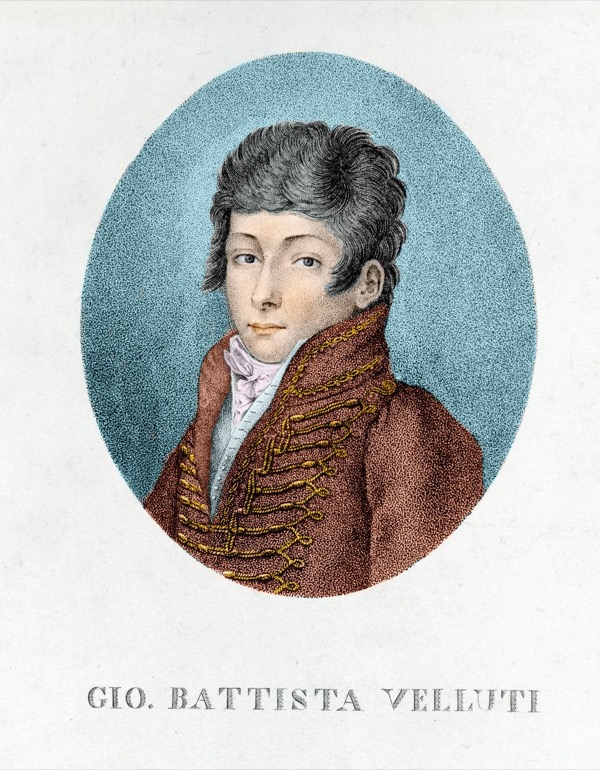
Giovanni Battista Velluti
Giovanni Battista Velluti was born in Pausula, Italy, in 1780.
Conflicting stories tell how he became a castrato. One story goes that when he was eight years old, he came down with a cough and fever, which his doctor treated by castrating him. Another says a doctor did so by mistake.
It is also plausible that his family saw his musical talent, wanted him castrated for the fame and fortune enjoyed by top castrati, and later lied about their intentions.
He began studying music as a boy and first appeared in oratorio performances in the late 1790s. In 1800, he made his operatic debut, marking the start of a long and solid career.
During that career, he became famous for his improvisations – some of which strayed a long distance from the composer’s original intent.
For example, in 1813, Velluti sang a cavatina in Rossini’s opera Aureliano, with Rossini in the audience. For the first two performances, Rossini enjoyed the improvisations – but by the third, Rossini no longer recognised his own work.
According to French writer and music critic Stendhal, this experience is why Rossini became so meticulous about writing out ornamentation in his scores, and why we have such detailed performance instructions today.
A selection of Rossini arias sung by a countertenor
In the mid-1820s, Velluti travelled to London to perform. By that time, castrati were falling out of fashion and had not appeared in London for nearly twenty years. Not surprisingly, his reception was lukewarm.
He retired from the stage in 1833 after failing as a theatre manager. He became an agriculturalist and died in 1861.
Conclusion
Guadagni, Pacchierotti, and Velluti represent the close of the castrato era: artists who lived long enough to watch the world that made them famous slowly disappear.
Velluti, the last of the great castrati, outlived the tradition entirely, dying in 1861 after leaving music entirely. The era of the castrati had ended.
If you enjoyed this article, check out Part 1, featuring Senesino, Farinelli, and Caffarelli.
For more of the best in classical music, sign up for our E-Newsletter