Over the centuries, composers have often turned to the violin to express emotions like loneliness, nostalgia, and grief.
In this list of ten of the saddest violin concerto slow movements, we’re traveling from the Baroque Era breathlessness of Vivaldi’s Four Seasons to the stark emotional landscapes of Shostakovich…and beyond.
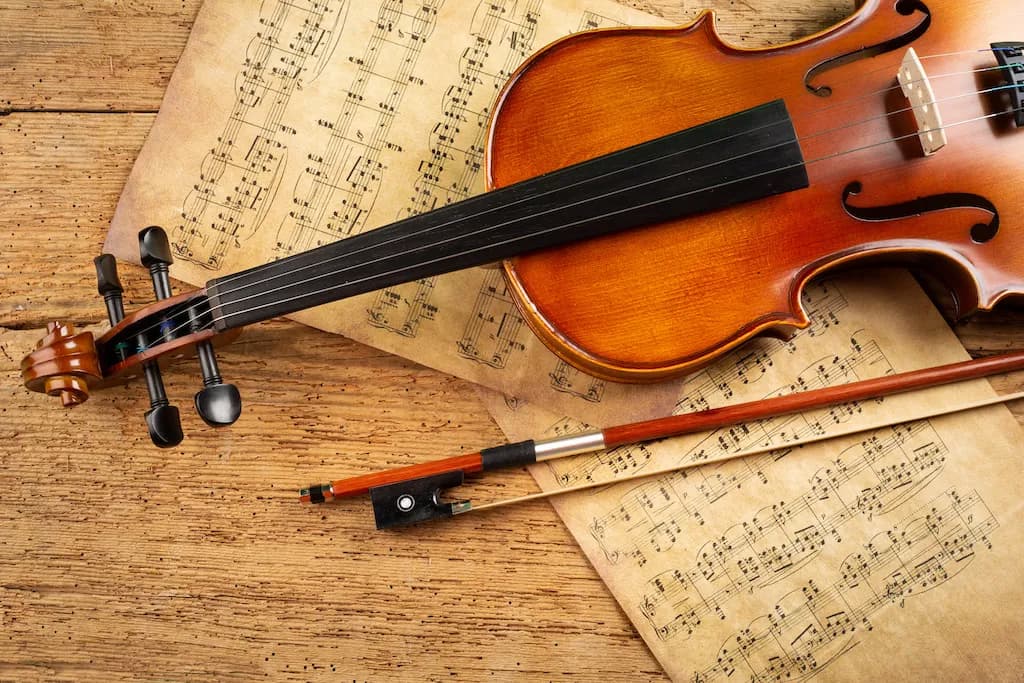
© medium.com
We’ve assembled our picks in reverse countdown order, with the saddest violin concerto slow movement at the end.
10. Vivaldi “Summer” from the Four Seasons, Movement 2
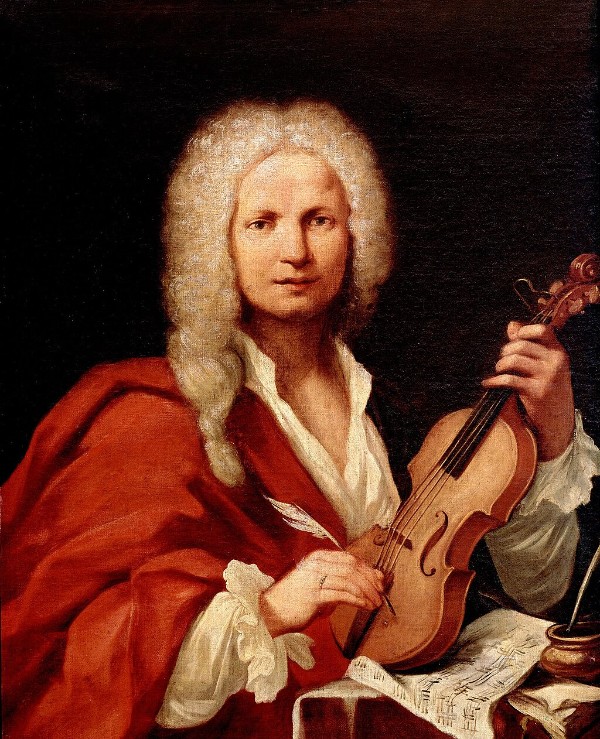
Antonio Vivaldi
Antonio Vivaldi: The Four Seasons: Violin Concerto in G Minor, Op. 8, No. 2, RV 315, “L’estate” (Summer) – II. Adagio – Presto (Julien Chauvin, violin; Le Concert de la Loge; Julien Chauvin, cond.)
Composed around 1723, Vivaldi’s four violin concertos (commonly known as the Four Seasons) evoke various natural scenes and are accompanied by poetry written for each movement.
The verses for “Summer” recount the experience of a shepherd who has noticed a threatening northern wind. He begins to cry, knowing the danger that the storm presents to him and his flock.
His tired limbs are deprived of rest
By his fear of lightning and fierce thunder,
And by furious swarms of flies and hornets.
The static, throbbing accompaniment resembles buzzing insects and creates a suffocating stillness, while the violin personifies the shepherd’s cries.
9. Sibelius Violin Concerto, Movement 2
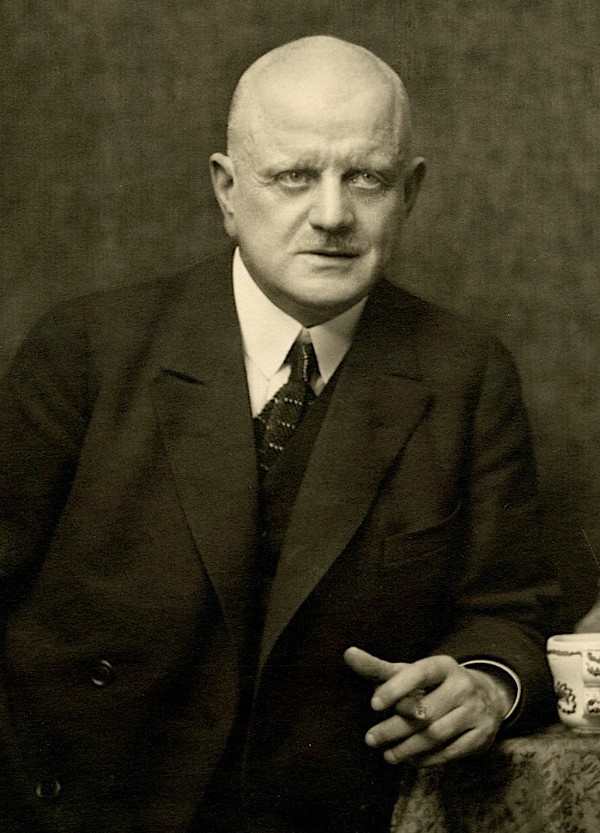
Jean Sibelius, 1923
Jean Sibelius: Violin Concerto in D Minor, Op. 47 – II. Adagio di molto (Henning Kraggerud, violin; Bournemouth Symphony Orchestra; Bjarte Engeset, cond.)
Written between 1903 and 1904, then revised in 1905, Sibelius’s only concerto is a tribute to an unfulfilled childhood dream.
As an adult, Sibelius wrote:
“My tragedy was that I wanted to be a celebrated violinist at any price. Since the age of 15, I played my violin practically from morning to night… My love for the violin lasted quite long, and it was a very painful awakening when I had to admit that I had begun my training for the exacting career of a virtuoso too late.”
The slow movement of his violin concerto opens with pungent winds that set the stage for a rich theme played on the violin’s gritty lowest string.
The music is deeply romantic, but as the theme develops, it becomes increasingly confessional and even tragic.
8. Meyer Violin Concerto, Movement 1
Commissioned in 1999, this concerto reflects composer and bassist Edgar Meyer’s roots in both the classical and American folk traditions.
The opening movement – titled “Romanza” – is melancholy. It features a cinematic opening theme that calls to mind an Appalachian fiddle lament.
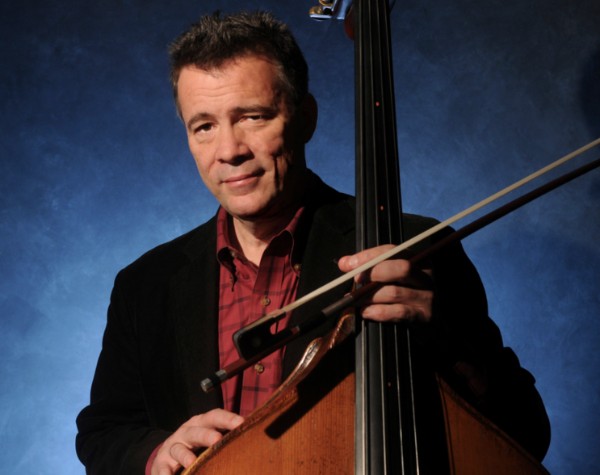
Edgar Meyer © Jim McGuire
A couple of minutes into the concerto, a jaunty second theme provides energy and contrast to that opening melancholy.
The sadness here feels lonelier and more introverted than the Sibelius concerto or the other grand Romantic Era concertos. It feels like sadness that has had to be buttoned up.
7. Strauss Violin Concerto, Movement 2

Richard Strauss, 1910
Richard Strauss: Violin Concerto in D Minor, Op. 8, TrV 110 – II. Lento ma non troppo (Arabella Steinbacher, violin; West German Radio Symphony Orchestra; Lawrence Foster, cond.)
Composed between 1881 and 1882, this early work was begun the year that Richard Strauss turned seventeen.
The concerto’s slow movement is both lush and plush, tugging at the heartstrings with its long, yearning violin lines that stretch across sad answering orchestral phrases.
It is a strikingly nostalgic work for a teenage composer, and sounds like the work of a much older man.
6. Tchaikovsky Violin Concerto, Movement 2
Composed in 1878 after Tchaikovsky’s disastrous marriage and subsequent emotional collapse, the Canzonetta from his violin concerto offers a fragile oasis between the frantic virtuosity of the work’s two extroverted outer movements.
Its simple folk-like melody, gently accompanied by clarinet and muted strings, feels deeply vulnerable.
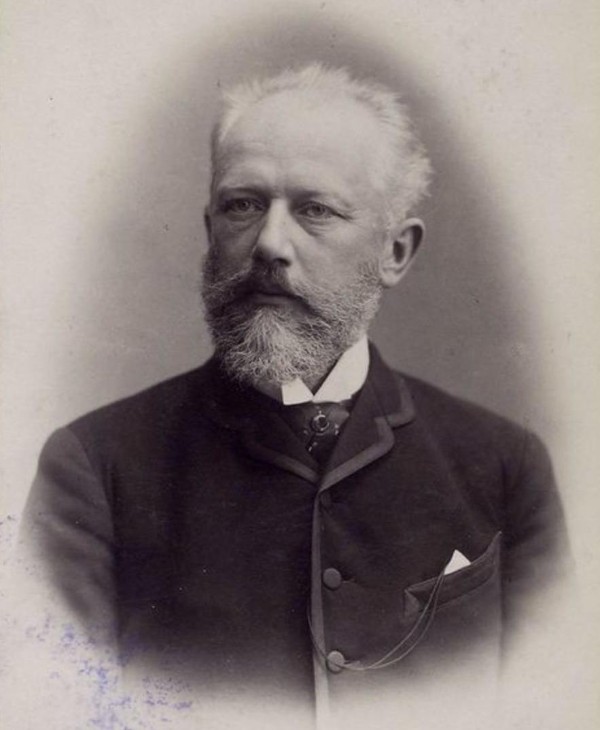
Pyotr Ilyich Tchaikovsky
Yet there is also a touch of aloof mystery to the whole thing: this is music by someone who is sad, but who isn’t interested in divulging exactly why.
5. Lalo Symphonie Espagnole, Movement 4
Composed in 1874 for the great Spanish violinist Pablo de Sarasate, Lalo’s Symphonie Espagnole combines French elegance with Iberian colour.
The fourth movement’s slow section stands out for its haunting nobility.
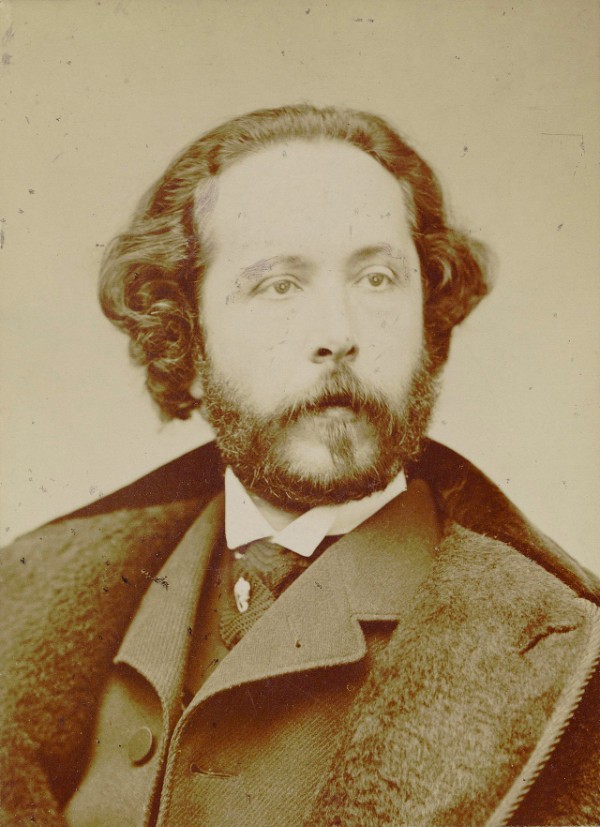
Édouard Lalo
The movement begins with slow, muted horn calls and is followed by hushed strings.
When the solo violin finally enters, it sings in long, plaintive lines above those same hushed strings. (One can hear how Lalo’s work influenced the spirit of the slow movement of Tchaikovsky’s concerto.)
The sadness here is very Spanish in character and extremely sensual.
4. Glass Violin Concerto No. 1, Movement 2
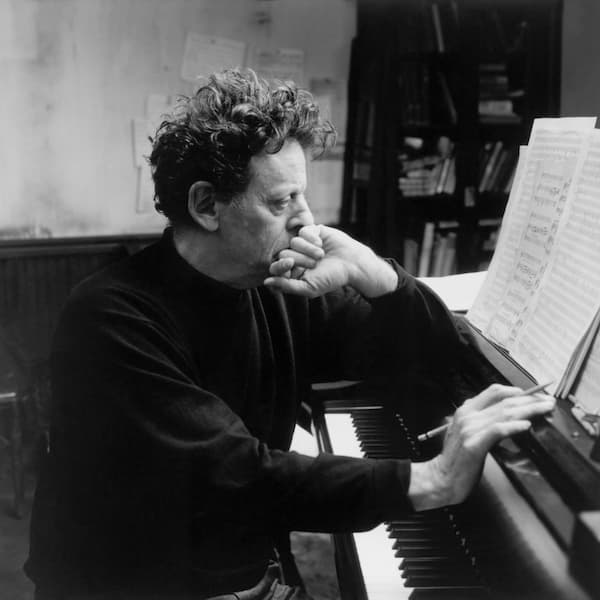
Philip Glass
Philip Glass: Violin Concerto No. 1 – II. – (Adele Anthony, violin; Ulster Orchestra; Takuo Yuasa, cond.)
This was Glass’s first work for orchestra, written in 1987 as a tribute to his late father, a record-store owner who had loved classical music and violin concertos especially.
Glass’s concerto strips down the complicated, multifaceted emotions of grief and replaces them with a kind of numb, hypnotic simplicity.
The plaintive, circling melody in the solo violin part never quite finds rest, calling to mind something like a bird gliding in circles over a great expanse of water.
There is a sense of entire epochs passing by here as the soloist plays.
3. Bach E-major Violin Concerto, Movement 2
Composed around 1720 in Köthen in present-day Germany, this movement features a recurring melancholy minor-key pattern in the cellos and basses.
The violin’s voice, in silvery high-pitched contrast, floats on top of that melancholy pattern like an otherworldly spirit.
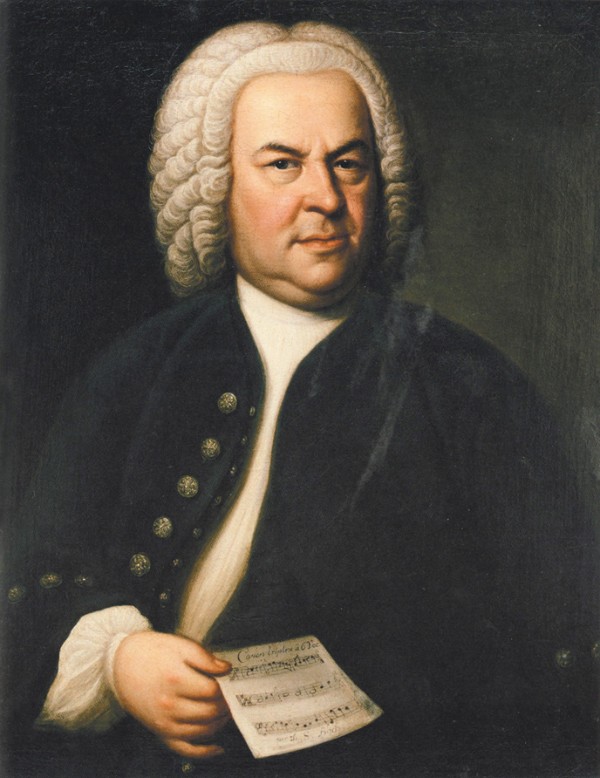
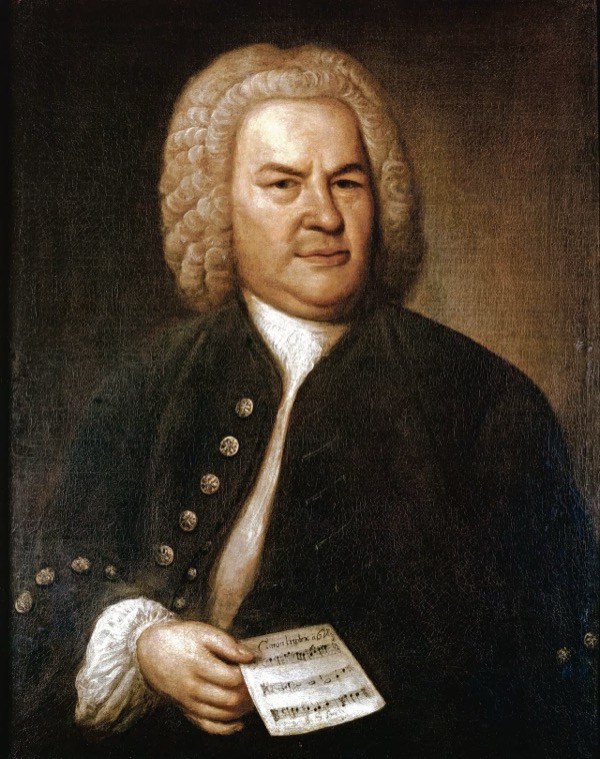
Elias Gottlob Haussmann: J.S. Bach, 1746 (Bach-Archiv Leipzig)
This is music that somehow manages to be simultaneously devastating and hopeful.
2. Shostakovich Violin Concerto, Movement 3
Written in secret between 1947 and 1948 under Stalinist censorship, and premiered only after the dictator’s death, this movement is one of Shostakovich’s most personal and searing works.
Built over a relentless, repeated bass line, the violin part in this movement feels its way from despair to a screaming defiance.
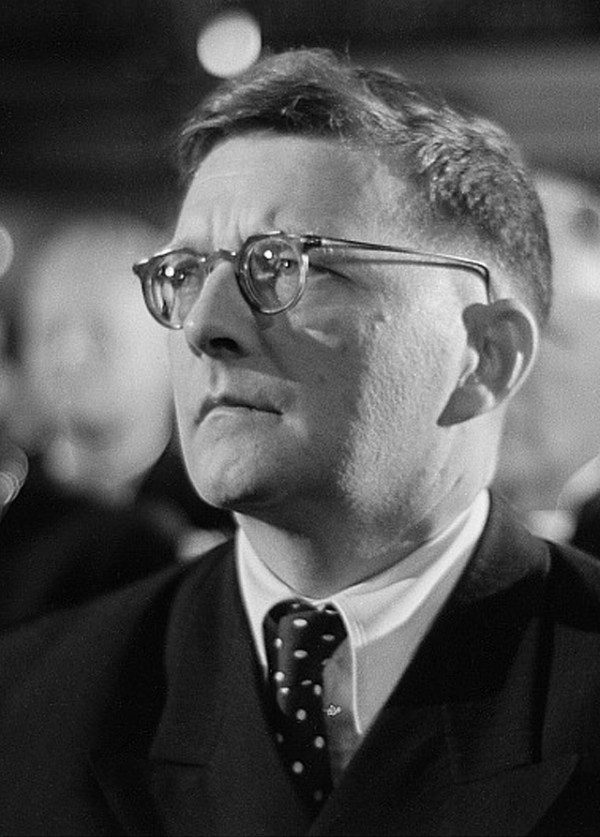
Dmitri Shostakovich © Deutsche Fotothek
The solo part evolves organically into one of the most stunning and overwhelming cadenzas in the entire repertoire.
You can read this music in any way you like: as a soundtrack for a private emotional breakdown or an exploration of what it feels like to be just another cog in an oppressive totalitarian regime.
1. Barber Violin Concerto, Movement 2
Composed in 1939, the slow movement of Samuel Barber’s violin concerto is among the most heartbreaking moments in all of twentieth-century orchestral music.
The oboe introduces a simple, wistful melody. The accompanying strings grow darker.
The violin answers with an optimistic warmth that gradually transforms into an intense yearning. The mood becomes similar to that of Barber’s mega-hit Adagio for Strings, which dates from 1936.
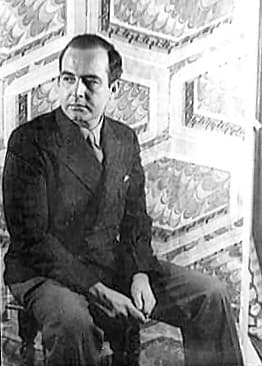
Samuel Barber
The wistfulness comes to a powerful orchestral climax that begins three-quarters of the way through, at 5:30 in the video above.
After that explosive climax, the solo violin is left to pick up the pieces.
Conclusion
From Baroque laments to modern minimalism, these ten slow movements show how composers throughout classical music history have used the violin to portray heartbreak.
Whether it’s the spiritual transcendence of the Bach E-major, the sad romanticism of the Sibelius, or the insistent grief of the Barber, each piece here explores a different shade of sadness.
What do you think is the saddest violin concerto?
For more of the best in classical music, sign up for our E-Newsletter