Cellist Truls Mørk, born on 25 April 1961 in Bergen, Norway, has built a reputation as a performer of fierce intensity and grace. A celebrated artist who performs with the most distinguished orchestras, he has made numerous recordings with major labels including Virgin Classics, BIS, and Ondine.
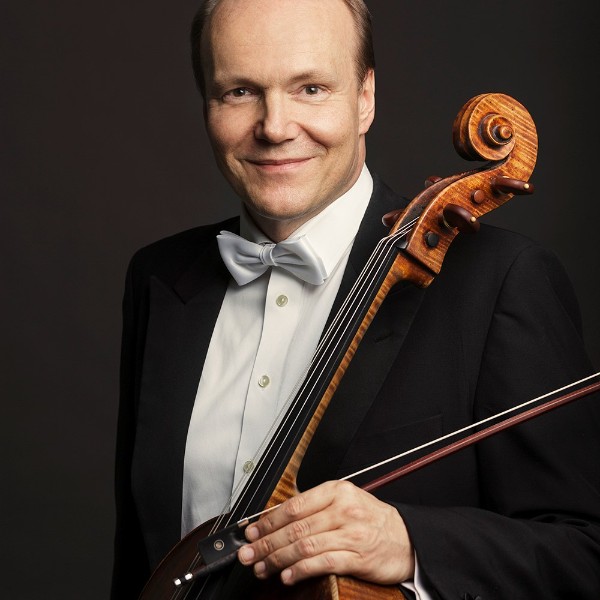
Truls Mørk
His numerous awards include the Moscow Tchaikovsky Competition in 1982, the Naumburg Competition in New York in 1986, the Cassadó Cello Competition in the same year, and a Grammy Award for his recording of Britten’s Cello Suites in 2002.
An important advocate of Nordic repertoire, he has Scandinavian works as a substantial strand of his artistic identity. As we celebrate Truls Mørk’s birthday, let’s listen to a selection of these recordings that disclose his deep affinity with the musical landscapes of the North.
Mørk/Gimse perform Grieg: Cello Sonata Op. 36, “Allegro agitato”
Nordic Education in Listening
Truls Mørk grew up in a family of professional musicians, as his father John Fritjof Mørk was a cellist and his mother Turid Otterbech a pianist. Much of his identity was shaped by his family and the cultural environment in Norway.
Music was not imposed but naturally absorbed at home. Being raised in a Nordic domestic tradition of music-making, Mørk’s artistic development thus follows a typically Scandinavian approach.
In an interview from The Strad, Mørk relates “I was never so eager to play virtuosic pieces as to play one tune with the right sound—maybe because I use music as my expression.” (Cutts, The Strad, 2005) This sonority-focused and anti-showmanship aesthetic mirrors values associated with Scandinavian performance culture.
Arne Nordheim: Clamavi (Truls Mørk, cello)
Neo-Romantic Horizon
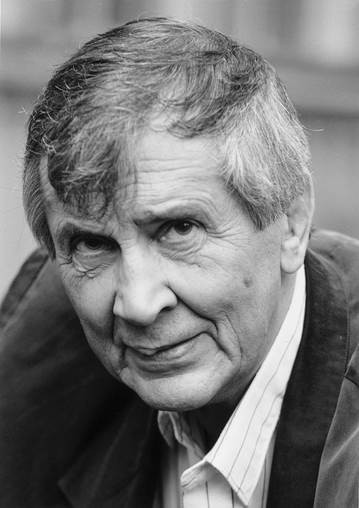
Einojuhani Rautavaara
One of the most important contemporary cello concertos, and especially written for Truls Mørk, was crafted by Finnish composer Einojuhani Rautavaara in 2008–2009. Subtitled “Towards the Horizon,” the work has no specific programme content but refers to the mood and spirit of the music.
The work is bathed in a Neo-Romantic emotional glow, and the achingly beautiful autumnal melodies are written specifically for Mørk. His melodic line is constantly evolving while shifting between dreamlike lyricism and intensity.
In fact, the cello plays an almost unbroken melodic line throughout the work, vacillating between static and surging energy. The Ondine recording won the Gramophone Award in 2012, and Mørk’s performance was hailed as a definitive documentation of the composer’s late style.
Truls Mørk recording Rautavaara: Cello Concerto No. 2 “Towards the Horizon”
Creative Partner
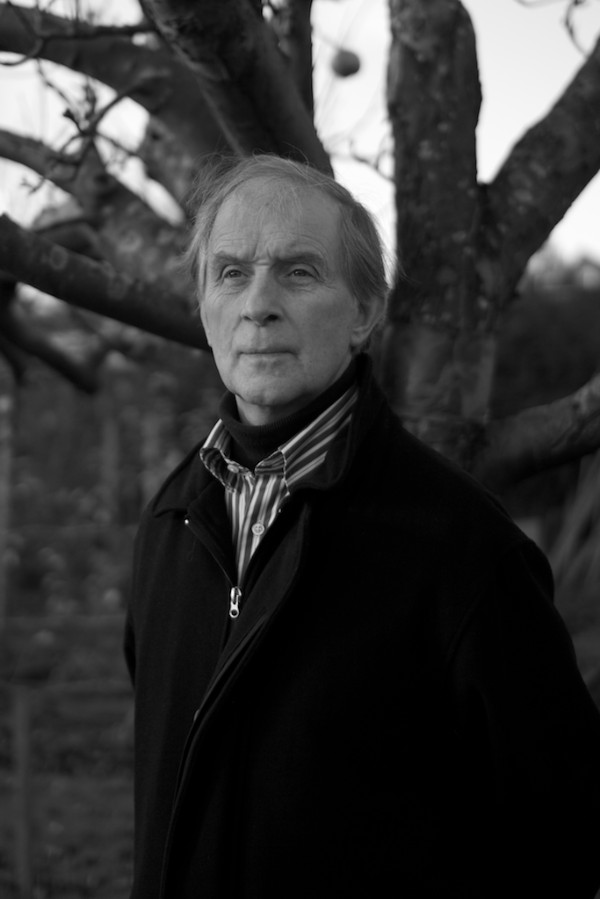
Hafliði Hallgrímsson
For much of the contemporary music written for him, Truls Mørk is not just an interpreter. Rather, he is a creative partner shaping the modern Nordic cello repertoire. Such is the case with the Concerto for cello and full orchestra, written in 2002/03 by the Icelandic composer Hafliði Hallgrímsson.
Truls Mørk gave the first performance at the Ultima Festival in Oslo in October 2003. The Concerto unfolds in a single movement, with fluctuating tempo and mood. The composer was essentially writing a large-scale lullaby, dreaming strange dreams, soothing his mind while fully awake.
Here, as elsewhere in his Nordic explorations, Mørk provides a sense of inside authority. His performance is essentially not interpretative, but it feels idiomatic. To commentators, his performance is never dry or purely academic; instead, it draws out a latent lyricism, avoiding the risk of turning the music into something overly Romantic.
Hafliði Hallgrímsson: Cello Concerto, Op. 29 (Truls Mørk, cello; Scottish Chamber Orchestra; John Storgårds, cond.)
Modernist Austerity
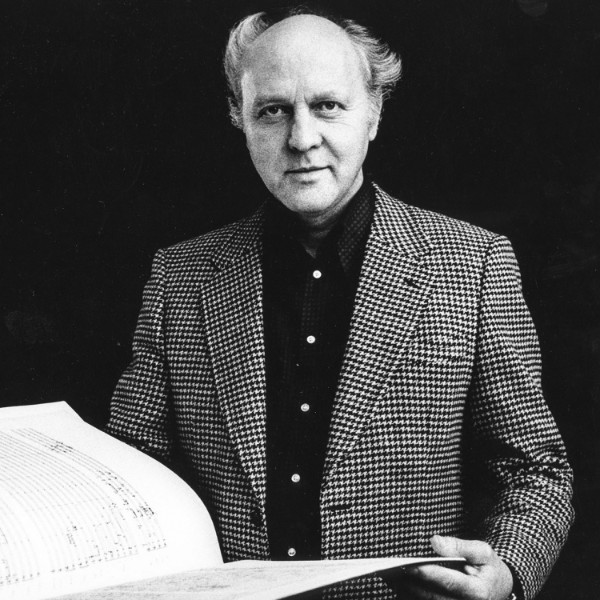
Ingvar Lidholm
Combining austerity with modernist roots, Fantasia sopra Laudi by Swedish composer Ingvar Lidholm perfectly fits Truls Mørk’s Nordic sensibility. The work provides a sense of distance and contemplation, relying primarily on clarity of texture and cool sonorities.
Suspended sonorities contrast with almost violent gestures, as the work unfolds as a continuous meditation. The featured recording comes from Mørk’s early career, when he was still emerging on the international stage.
Mørk’s early engagement with Nordic repertoire already discloses his artistic direction. Sound, precisely and unsentimentally projected, becomes the primary expressive force. Nordic modernism is articulated rather than shaped, and its intensity is internalised.
For more of the best in classical music, sign up for our E-Newsletter
Ingvar Lidholm: Fantasia sopra Laudi (Truls Mørk, cello)