Frédéric Chopin is one of the most influential composers in classical music history. Best known for his piano works – especially his nocturnes, mazurkas, polonaises, waltzes, and preludes – Chopin transformed the piano into a vehicle for searing lyricism and emotional depth.
Chopin’s influence can be heard in the works of many of the greatest composers who followed him, whether due to his singing melodic lines, his daring use of chromaticism, or his love of combining folk dance rhythms with concert hall genres.
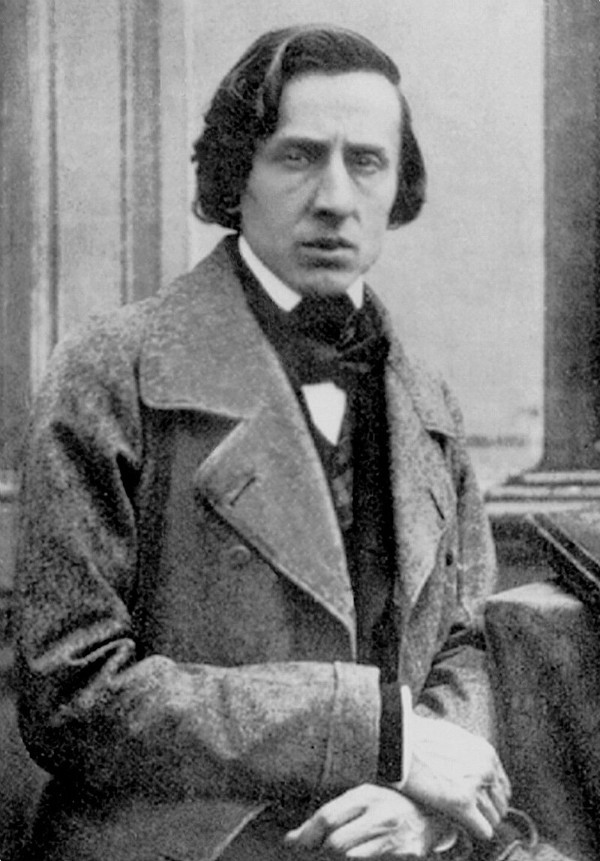
Frédéric Chopin
Today, we’re looking at how each of these eight composers drew inspiration from Chopin and how his legacy helped to shape Western music.
How did Chopin influence Franz Liszt?
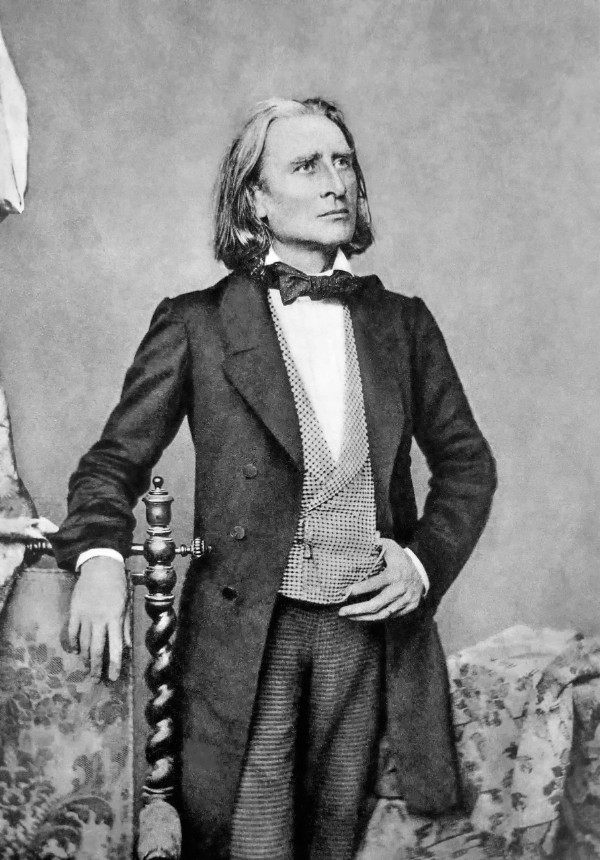
Franz Liszt
Chopin and Liszt were nearly exact contemporaries. Chopin was born in March 1810; Liszt was born in October 1811.
In their early twenties, they came of age together in the concert halls and drawing rooms of Paris. There, they became both friends and rivals.
Here’s how Chopin influenced Liszt:
- Liszt admired the beguiling poetry and sheer expressiveness of Chopin’s playing. That quality encouraged Liszt to create soaring cantabile lines in his own compositions, especially in his lyrical miniatures.
- Liszt also deeply respected Chopin’s creative independence. Chopin wasn’t ashamed to embrace unique forms and genres that he felt suited his strengths best. Liszt would do the same throughout his own career.
- After Chopin’s early death in 1849, Liszt wrote his Consolation in D-flat major, which is believed to be modeled after Chopin’s Nocturne Op. 27, No. 2. The work provided an opportunity for Liszt to demonstrate what he had learned from Chopin about rubato, pedaling, and more.
Seong-Jin Cho – Liszt: Consolations, S. 172: No. 3 Lento placido in D Flat Major (World Piano Day)
Find out the backstory behind Liszt’s transcriptions of Chopin’s Polish Songs, which Chopin actually never wanted to be published.
How did Chopin influence Robert Schumann?
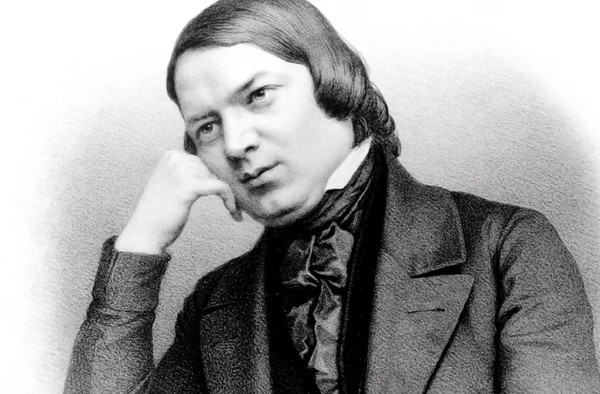
Robert Schumann
Robert Schumann was born three months after Chopin, in June 1810.
The first Chopin work that Schumann ever heard was his Variations on “Là ci darem la mano” (a duet from Mozart’s opera Don Giovanni) for piano and orchestra.
It made a major impression. In December 1831, when they were both 21, Schumann wrote in a review: “Hats off, gentlemen, a genius!”
He also called Chopin’s music “cannons concealed amongst flowers”: a reference to both the power and subversive political themes present in Chopin’s music.
Here’s how Chopin influenced Schumann:
- Schumann clearly admired Chopin’s mastery of small-scale chamber works and the lyricism contained within them.
- Schumann dedicated his 1838 piano cycle Kreisleriana to Chopin, where we can hear some of that inspiration in action. He also included a character piece titled “Chopin” in 1835’s Carnaval.
“Chopin” from Schumann’s Carnaval
Find out the awkward story behind Chopin’s Kreisleriana dedication.
How did Chopin influence Clara Wieck Schumann?
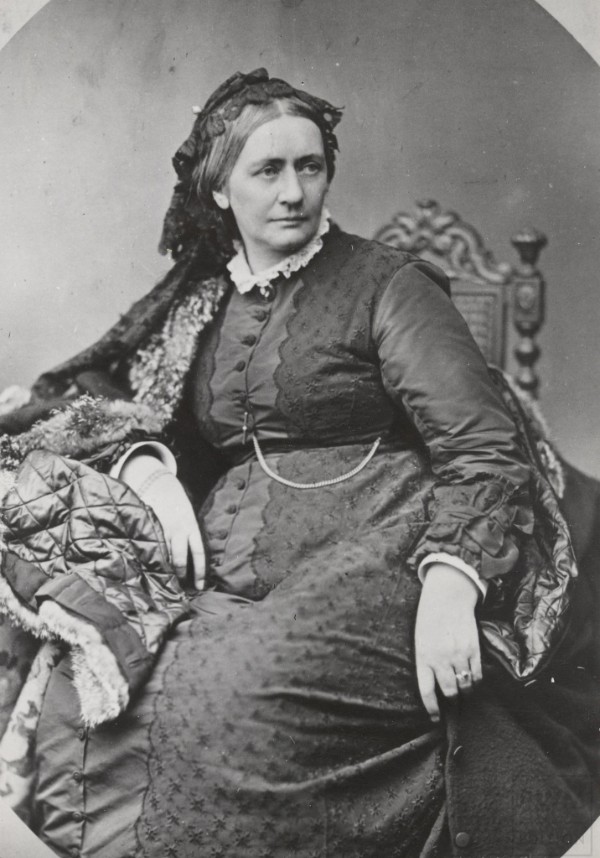
Clara Schumann
Clara Wieck (later Clara Schumann) was nine years younger than Chopin. Despite the age difference, she became a vitally important Chopin champion.
When she heard him play for the first time in 1832, she was dazzled by him. She would perform his works across Europe for decades to come.
Here’s how Chopin influenced Clara Wieck:
- As a child prodigy, she gravitated toward composing in similar small-scale genres. He was delighted by the nocturne she played for him in 1837.
- Many of her works from this era feature a singing melody in the right hand with arpeggiated accompaniment in the left hand: a particularly Chopin-ian style.
Clara Wieck’s Nocturne, Op. 6, No. 2
Find out the answer to the question, was Clara Wieck Schumann the one who made Chopin famous?
How did Chopin influence Antonín Dvořák?
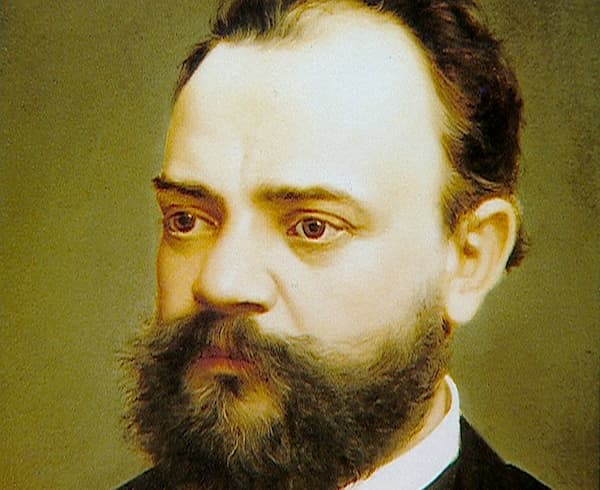
Antonín Dvořák
Antonín Dvořák was eight years old when Chopin died in 1849, and the two never met. However, both would share similar creative priorities during their careers.
Here’s how Chopin influenced Antonín Dvořák:
- Chopin had been one of the first composers to combine the rhythms and spirit of his country’s folk dances with classical forms. Dvořák ended up making a career of following Chopin’s lead, writing Bohemian-flavoured concert music.
- Dvořák also clearly took note of Chopin’s passion for melody. Both men are among the greatest melodists of the nineteenth century, creating countless hummable tunes between the two of them.
- In 1879, Dvořák wrote Mazurek for violin and piano. Any mazurka heard in the concert hall owes a debt to Chopin, given that he wrote around sixty of them.
Dvořák’s Mazurek
How did Chopin influence Karol Szymanowski?
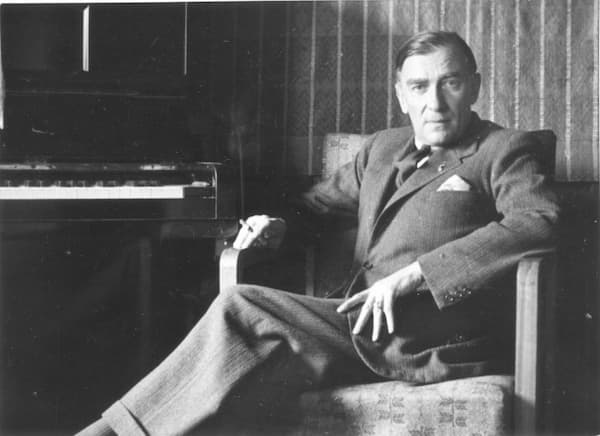
Karol Szymanowski
Composer Karol Szymanowski was born into a noble Polish family in 1882, a little over three decades after Chopin’s death.
Still, Chopin’s influence loomed large in his life. As a young man, Szymanowski’s early compositional output was deeply inspired by Chopin’s.
He carried similar feelings of Polish patriotism, weaving those into his work.
Here’s how Chopin influenced Szymanowski:
- In 1923, Szymanowski called Chopin “a futurist of the romantic epoch”, clearly processing and embracing what Chopin’s legacy meant to the twentieth century.
- Szymanowski composed two sets of mazurkas, his Op. 50 in 1924-25 and his Op. 62 in 1934. These retain the rhythms of the traditional Polish dance but substitute modern harmonies. Szymanowski also explores and embraces a new freedom in the form, taking cues from Chopin himself.
Szymanowski’s 20 Mazurkas, No. 3
- Over the course of his career, Szymanowski wrote etudes, mazurkas, a nocturne, Polish dances, and preludes. All of these are small-scale genres that Chopin mastered and championed.
- Chopin’s music is famous for its lush harmonies and expressive dissonances…and so is Szymanowski’s.
Read about the connection between Chopin and Szymanowski’s mazurkas.
How did Chopin influence Claude Debussy?
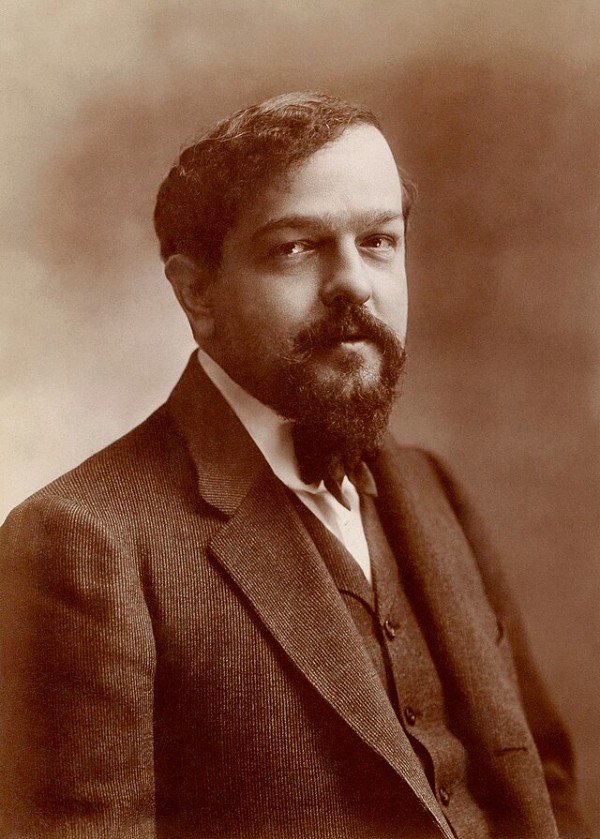
Atelier Nadar: Claude Debussy, ca 1890–1910
Claude Debussy revered Chopin. He once proclaimed, “Chopin is the greatest of them all, for through the piano alone he discovered everything.”
Here’s how Chopin influenced Debussy:
- Debussy valued many of the same things that Chopin did: subtlety, atmosphere, melancholy, tone colour, the use of pedal, etc. He was especially fascinated with Chopin’s quietly revolutionary use of unique harmonies.
- Like Chopin, Debussy embraced a creative freedom, often abandoning established, traditional classical music forms (such as symphonies) in favour of shorter works that would evoke a particular mood or feeling.
- Between 1909 and 1912, Debussy wrote 24 piano preludes, a nod to Chopin’s own set of 24.
- Then, in 1915, while terminally ill, Debussy wrote a set of etudes: a genre that Chopin had perfected. This time, he made the tribute to Chopin overt, dedicating the set “à la mémoire de Frédéric Chopin.”
Debussy’s Douze Études
Delve into Debussy’s preludes with us.
How did Chopin influence Alexander Scriabin?
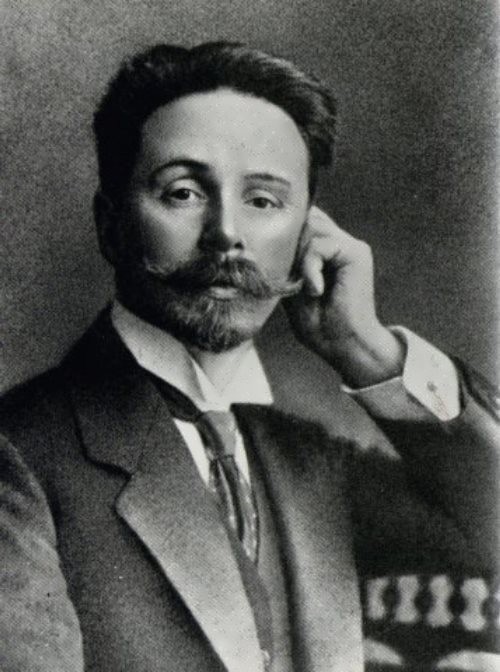
Alexander Scriabin
Composer Alexander Scriabin was born in 1871, twenty-two years after Chopin’s death.
As a teenager and young man, he called himself a “Chopinist.” In fact, he was nicknamed “the Russian Chopin.”
His music remained deeply intertwined with Chopin’s until his mature style began changing in 1903, when he was in his early thirties.
Here’s how Chopin influenced Alexander Scriabin:
- Over the course of his life, Scriabin composed dozens of preludes, etudes, mazurkas, waltzes, polonaises, and impromptus, all distinctly Chopinian forms.
- Scriabin specialised in writing works with a soaring melody in the right hand and an arpeggiated accompaniment in the left hand: a stylistic trademark of Chopin’s.
- As Scriabin’s music evolved, he ventured far beyond Chopin’s language. But even in his strange later works, the echo of Chopin’s influence remains: its freedom, unconventionality, and emphasis on emotional expression.
- Scriabin’s early 24 Preludes, Op. 11 (dating from between 1888 and 1896) were consciously modelled on Chopin’s Preludes, covering all major and minor keys, just like Chopin’s do.
Here’s our overview of the life of Scriabin, revealing why 1903 was such a creatively pivotal year for him.
Scriabin’s 24 Preludes
How did Chopin influence Sergei Rachmaninoff?
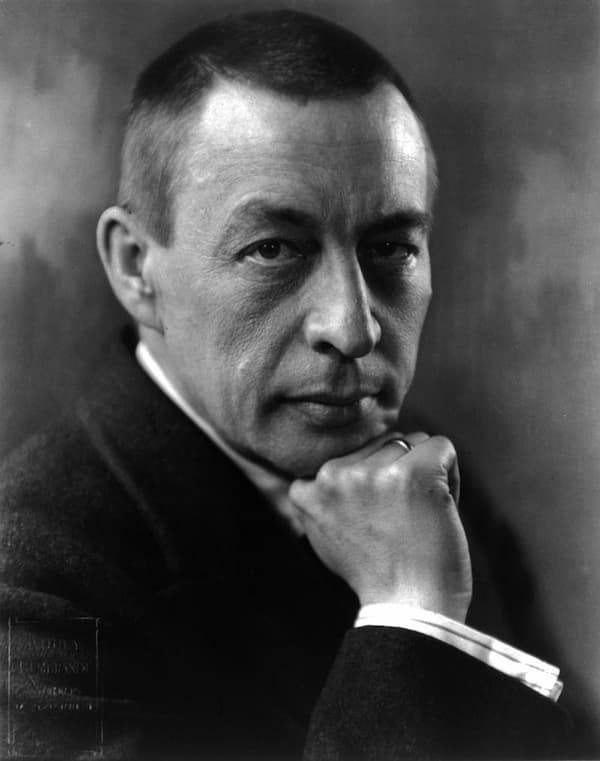
Kubey-Rembrandt Studios: Sergei Rachmaninoff, 1921
Rachmaninoff and Scriabin both studied with Nikolai Zverev, a teacher known to drill his pupils by assigning them Chopin.
Aside from his compositions, Rachmaninoff played and recorded Chopin many times throughout his career as a concert pianist. Arthur Rubinstein noted that he “had the secret of the golden, living tone…not unlike Chopin’s playing.”
Here’s how Chopin influenced Rachmaninoff:
- Between 1892 and 1910, Rachmaninoff wrote a number of preludes, eventually assembling 24 into his own set of 24 preludes, a tribute to Chopin. (His Prelude in C-sharp minor became such a massive hit that he actually grew tired of it.)
- In 1903, he wrote Variations on a Theme of Chopin, creating 22 variations out of Chopin’s Prelude in C-minor.
Lugansky – Rachmaninoff, Variations on a Theme of Chopin
- Rachmaninoff once said in an interview that Chopin was one of his biggest musical influences, alongside Tchaikovsky and Rimsky-Korsakov.
Conclusion
Frédéric Chopin may never have written an opera or a symphony, but it didn’t matter: he still became one of the most influential composers of the century anyway.
From his impact on Liszt’s lyrical miniatures to Dvořák’s folk-inspired dances to Szymanowski’s modernist mazurkas, Chopin’s influence has echoed across the Romantic era, the twentieth century – and beyond.
For more of the best in classical music, sign up for our E-Newsletter