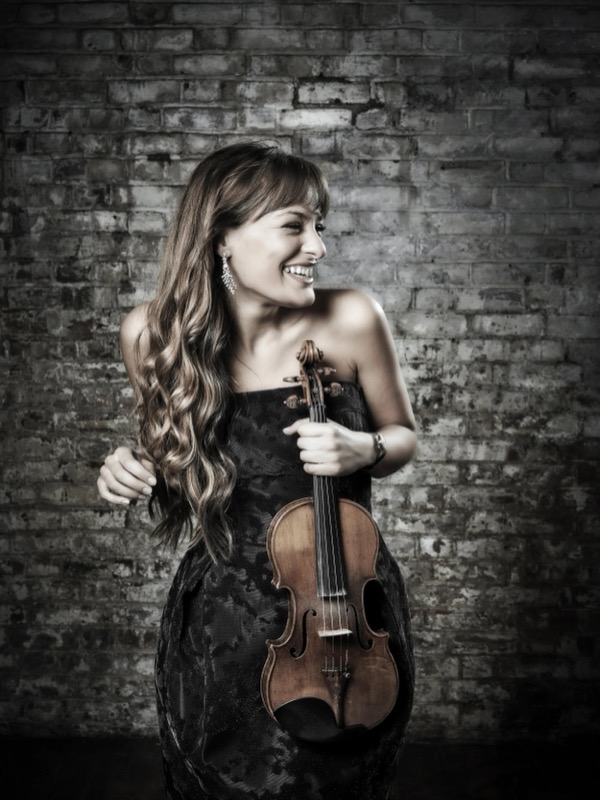
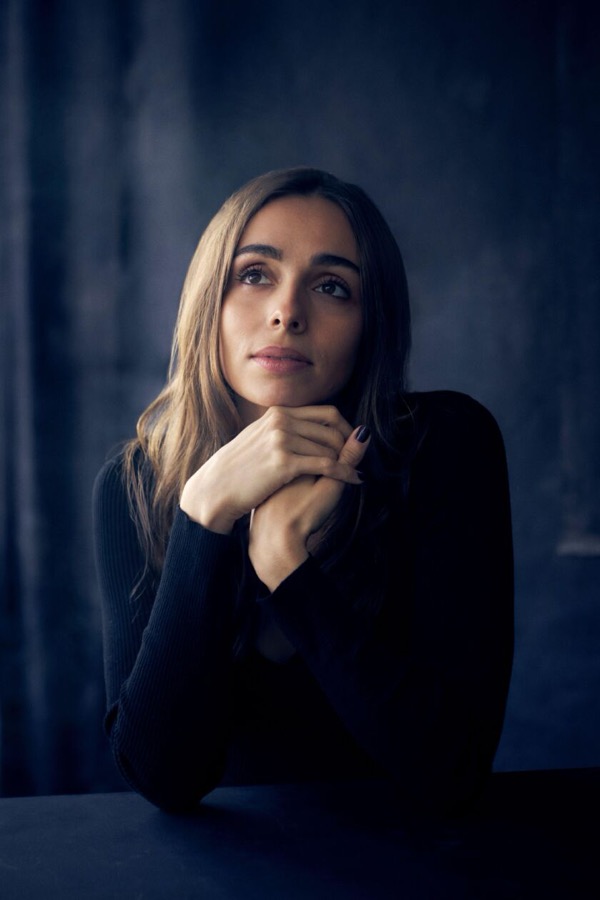
It is almost impossible to talk about one without the other, as the sibling pianists Katia and Marielle Labèque are, according to the New York Times, “the best piano duo in front of an audience today.” (New York Times) They are not twins, but both were born in March, two years apart.

Katia and Marielle Labèque © Umberto N. Nicoletti
Katia was born on 11 March 1950, while Marielle’s birthday falls on 6 March 1952. They grew up in the French Basque region and started playing duets as young children under the supervision of their mother. After all, Ada Cecchi had been a former student of Marguerite Long.
Early attempts at the piano, according to the sisters, “were a real disaster, because we kept hitting each other.” Fortunately, coordination improved, and after winning first prizes at the Paris Conservatoire, they teamed up as contemporary music specialists.
Soon, they branched out into everything and achieved an almost pop-star status. Mind you, they are socially connected to Madonna after all. To celebrate their birthdays in March, let’s have a sampling of works especially written for them.
Katia and Marielle Labèque perform Gershwin: Rhapsody in Blue
Colourful Start
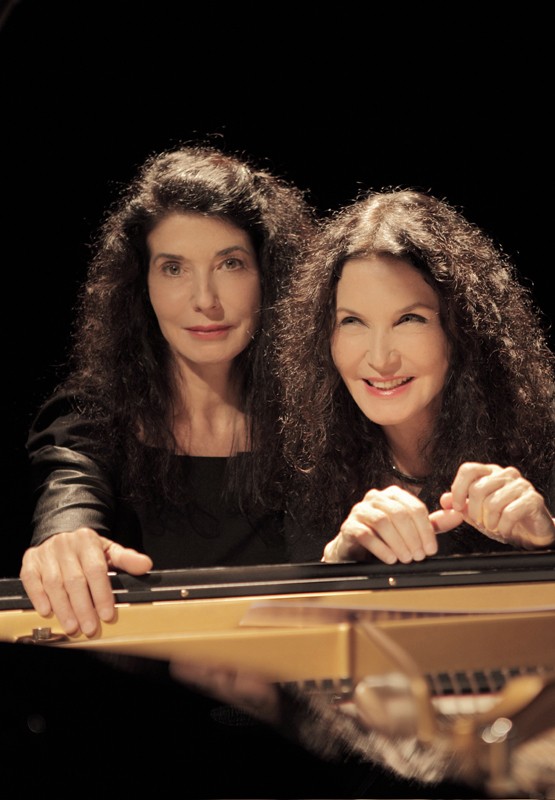
Katia and Marielle Labèque
Their international career began after the release of their remarkably colourful and vital recordings of Messiaen’s Visions de l’Amen and Bartók’s Sonata for two pianos and percussion. The Messiaen recording is frequently described as monumental and architecturally overwhelming.
Their breakthrough recording of Gershwin’s Rhapsody in Blue in the two-piano version was released in 1980. It became an instant bestseller and apparently sold more than half a million copies. It also established an international profile that reached well into major television programs in the United States, including The Tonight Show Starring Johnny Carson.
Katia and Marielle Labèque perform Bartók: Sonata for two pianos and percussion
Establishing a Career
As their profile expanded, leading contemporary composers began to take note. Although predating their major international profile and not specifically written for them, Luciano Berio composed Linea for two pianos, vibraphone, and marimba. This work helped to establish the Labèque sisters as serious interpreters of mid-century modernism.
Michael Nyman originally composed his Water Dances in 1984 for a ballet for the Sydney Dance Company. However, the piece also exists in a number of different scorings, including an arrangement for two pianos. The pulse-driven minimalism and theatrical propulsion of the piece added another stylistic element to the Labèque sisters’ repertoire.
Katia and Marielle Labèque perform Nyman: Water Dances, (Excerpt)
Cosmopolitan Twist
In 2009, Gonzalo Grau arranged Osvaldo Golijov’s Nazareno specifically for Marielle and Katia Labèque. This almost cinematic work unfolds as a multi-movement composition, many movements driven by a percussive rhythm and joined by West and South American percussion.
While many sections are driven by syncopation, we also find more reflective and lyrical passages. This concerto blends a wide variety of influences, and this cosmopolitan set-up dissolves genre boundaries. It is precisely the kind of crossover language the Labèques have been championing.
Katia and Marielle Labèque perform Golijov: Nazareno, (Excerpt)
Committed to Minimalism

The Labèque sisters with Philip Glass
One of the most substantial works in the concerto catalogue by Philip Glass is his Double Concerto for Two Pianos and Orchestra composed in 2015 for Marielle and Katia Labèque.
As the composer writes, “in the double concerto I was aiming for a very different dynamic… I don’t want those 176 piano keys to dominate. In this piece that balance is critical and difficult… So this concerto is not for amateurs. You’ve got to be on your toes.”
The Glass concerto seems almost tailormade for the incredible synchronicity and energy of Katia and Marielle Labèque. The piano parts become a corresponding element of Glass’ late orchestral language, with tension accumulating through density.
Repertoire Expansions
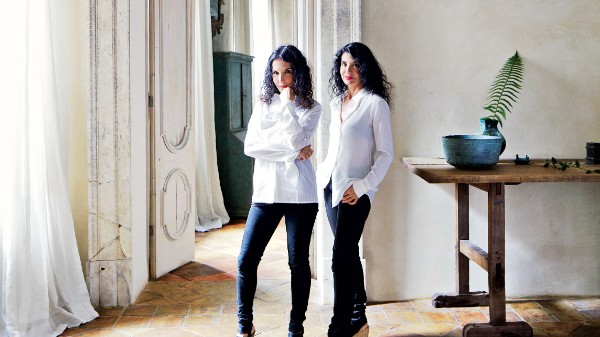
Katia and Marielle Labèque
Katia and Marielle have continued to expand their repertoire for two pianos and percussion with works such as an instrumental version of West Side Story, and a performance project for two pianos and Basque percussions of Maurice Ravel’s Boléro.
In 2005 they created their own foundation with the aims of promoting the relationship between music and image, and they set up their own recording studio. Pieces for two pianos and electronic became part of the catalogue in 2019, and they were named Chevaliers of the Ordre des Arts et des Lettres by the French government in 2000.
For more of the best in classical music, sign up for our E-Newsletter