It has all started again, hurrah! I am, of course, referring to the BBC Proms, officially the Henry Wood Promenade Concerts. It’s one of the world’s most beloved classical music festivals, held every summer for eight weeks, mostly at London’s Royal Albert Hall.
2024 Highlights BBC Proms
The Proms’ Beginnings
It all started in 1895 with Robert Newman, manager of London’s Queen’s Hall, wanting to fill the venue during the quiet summer months by offering cheap concerts that anyone could enjoy. He told conductor Henry Wood, “I’m going to run nightly concerts to train the public, starting with popular stuff and slowly introducing serious music.”

Robert Newman
During a period of history when classical music was basically for the seriously wealthy, this was really a big deal. They got funding from George Cathcart, a doctor who insisted that Wood should lead every concert.
Thomas Arne: “Rule, Britannia”
First Promenade Concert
On 10 August 1895, the first Promenade Concert kicked off at Queen’s Hall. Tickets for standing areas, called “promenading”, were really cheap, and the vibe was seriously relaxed. People could eat, drink, and even smoke while strolling and listening to music, a tradition from London’s old pleasure gardens.
True to its promise, the concerts mixed popular tunes with classical pieces and drew big crowds. Wood sometimes conducted long programs lasting almost three hours. Crowd pleasers like opera snippets combined with bold new works by Elgar and Debussy. He also started traditions like Wagner Night on Mondays and Beethoven Night on Fridays, and championed a lot of British composers.
Richard Wagner: “Wesendonck Lieder” (excerpts) (Jessye Norman, soprano; BBC Symphony Orchestra, Colin Davis, conductor)
Sir Henry Wood
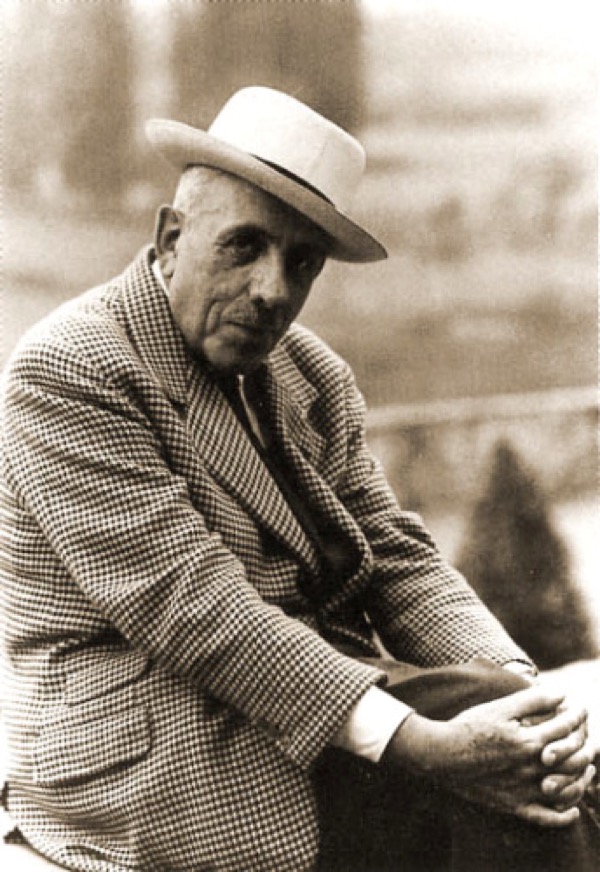
Sir Henry Wood (1869-1944) really was a visionary conductor who shaped this iconic festival. He hailed from London and came from a musical family. In fact, he performed organ concerts by age 12 and joined the Royal Academy of Music at the age of 16.
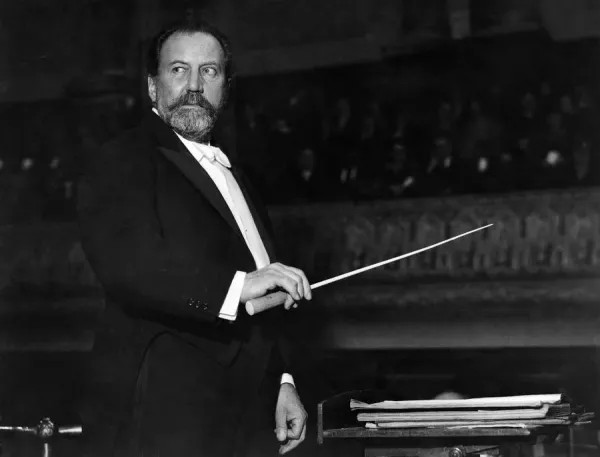
Sir Henry Wood
Once he was in charge of the BBC Proms, he loved blending popular and serious music, even premiering Schoenberg’s “Five Orchestral Pieces” in 1912. He would conduct the Proms for nearly 50 years, introducing over 700 new works, from Tchaikovsky’s Eugene Onegin to Shostakovich’s Symphony No. 8.
He really raised orchestral standards, banned substitute players, and welcomed women into the orchestra in 1913. That’s a first for London. And his Fantasia on British Sea Songs remains a Last Night staple. The Proms moved to the Royal Albert Hall in 1941 after Queen’s Hall was bombed, and Wood’s bronze bust is placed annually in front of the organ.
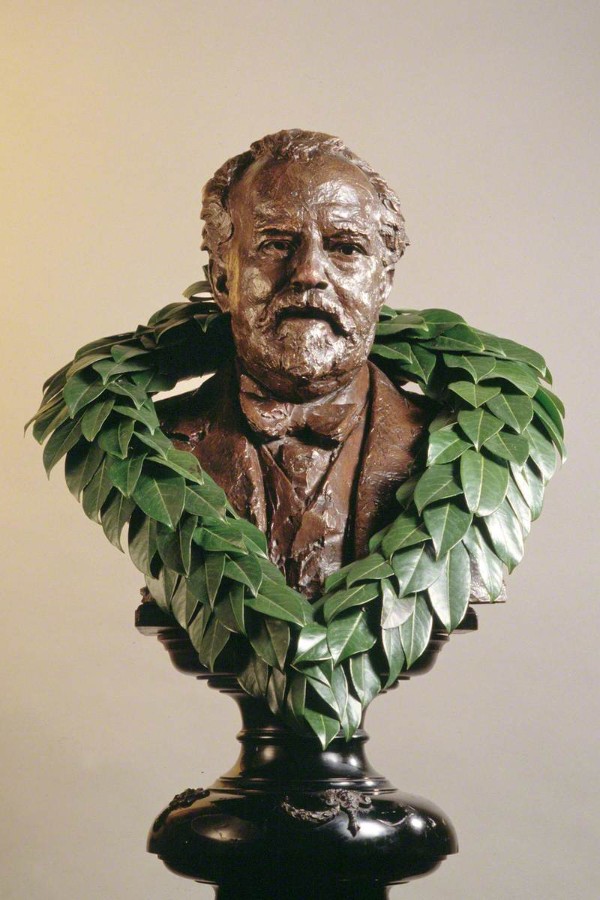
Sir Henry Wood’s bronze bust
Sir Henry Wood: Fantasia on British Sea-Songs
Sir Henry Wood and Jessie Linton
Professionally hugely successful, Wood’s personal life was rather complex. He married his first wife, Olga Urussova, a Russian princess and singer, in 1898. The marriage produced two daughters but was strained, and Olga died in 1909. In 1911, Wood married Muriel Greatorex, a former student, and they had two daughters, Tania and Avril.
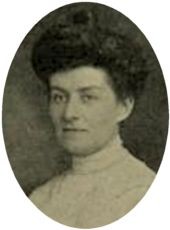
Olga Wood
The couple settled in Chorleywood, Hertfordshire, where Wood indulged hobbies like painting and carpentry, hosting musical luminaries like Arnold Bax and Ethel Smyth. However, by the early 1930s, the marriage soured. Muriel, who disliked music, found Wood’s intense career overwhelming, and their relationship deteriorated.
They lived apart during the Proms season, with Wood staying in London to avoid “domestic friction.” Sometime around 1934, Wood reconnected with Jessie Linton, a former singing student who had performed under her professional name, Jessie Goldsack.
William Walton: Crown Imperial (BBC Concert Orchestra; Barry Wordsworth, conductor)
Lady Jessie Wood
A musician herself, Jessie shared his passion. As one of Wood’s players noted, “She changed him. He had been badly dressed, in awful clothes. Jessie got him a new evening suit, instead of the mouldy green one, and he flourished yellow gloves and a cigar … he became human.”
As the relationship deepened, they set up home in London, and Wood hoped that his daughter Tania would join them to lend respectability. However, as Muriel refused a divorce, Jessie, in a bold move, changed her name by deed poll to “Lady Jessie Wood.”
This wasn’t just a romantic gesture; it reflected the social constraints of the time, where divorce was stigmatised, especially for a public figure like Wood. He never mentioned Jessie or his second marriage in his memoirs, likely to protect his reputation and focus on his musical achievements. Together, Henry and Jessie lived happily until his death in 1944, finding solace in their shared love of music and each other. Muriel, by contrast, outlived Wood by over two decades, passing away in 1967.
Hubert Parry: Jerusalem (arr. E. Elgar) (Royal Choral Society, choir; BBC Concert Orchestra; Barry Wordsworth, conductor)
Love and Legacy
Wood’s partnership with Jessie didn’t just enrich his life; it reinforced his Proms legacy as a festival of joy and inclusion. The 2025 Proms, with affordable £8 tickets and diverse programs, continue his mission, blending classical works with modern artists like Samara Joy, and echoing Wood’s love for new music. Just goes to show that behind great cultural achievements are human stories of love, resilience, and compromise.
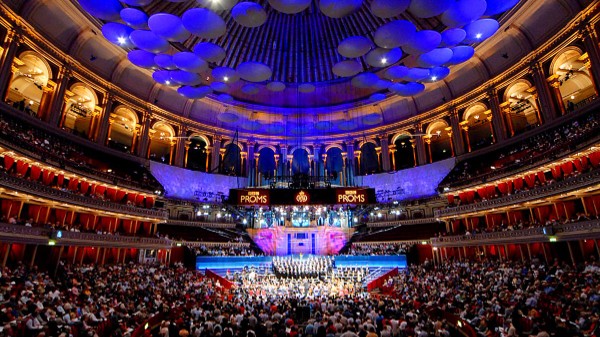
The BBC Proms
Official Website: https://www.bbc.co.uk/proms
For more of the best in classical music, sign up for our E-Newsletter