“We need to have the bravery to trust the music itself to be its own biggest advocate”
Helen Charlston, mezzo-soprano
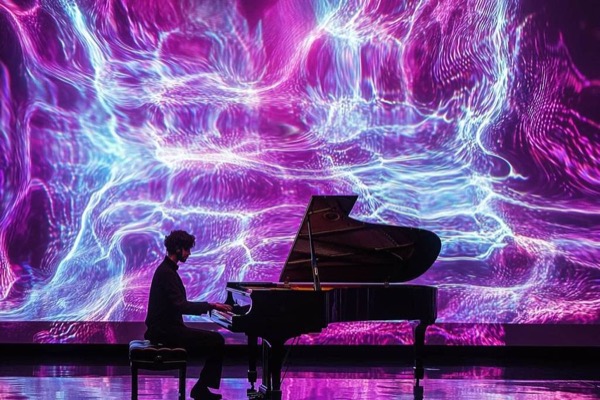
Multisensory live music
The above quote comes from a recent interview by Helen Charlston. It reflects a deep conviction in the inherent power of art, suggesting that music does not always require extensive explanation, promotion, or justification to move people. Its emotional and expressive qualities can reach listeners directly if they encounter it with openness. In the context of classical music, this idea carries particular weight because the genre is often associated with perceptions of elitism, intricacy, inaccessibility, or cultural distance.
A persistent concern among classical music organisations and institutions is how to draw new audiences, especially young listeners. Concert presenters and venues seek to make performances more accessible through multimedia presentations, thematic branding, crossover collaborations, or extensive program notes designed to “decode” the music. While these efforts add value, there is always a risk of over-explaining or over-packaging classical music, as if its substance alone were insufficient to engage attention. To “trust the music” is to believe that a symphony by Beethoven, a requiem by Brahms, or a piano sonata by Mozart offers enough emotional authenticity and artistic depth to communicate across centuries without constant justification or explanation.
Johannes Brahms: Ein deutsches Requiem (A German Requiem), Op. 45 – IV. Wie lieblich sind deine Wohnungen (Mainz Bach Choir; German Radio Saarbrücken-Kaiserslautern Philharmonic Orchestra; Ralf Otto, cond.)
This takes courage, as classical music organisations and performers often feel pressured to prove their relevance in an entertainment-focused culture. Contemporary audiences seek immediate stimulation and short-form content, while classical music demands patience, focus, and emotional vulnerability. “Trusting the music” means resisting the urge to dilute it for attention. A Mahler symphony does not require visual spectacle or simplification to impact listeners; its form, tension, and emotional depth are powerful when performed with conviction and without unnecessary embellishment.
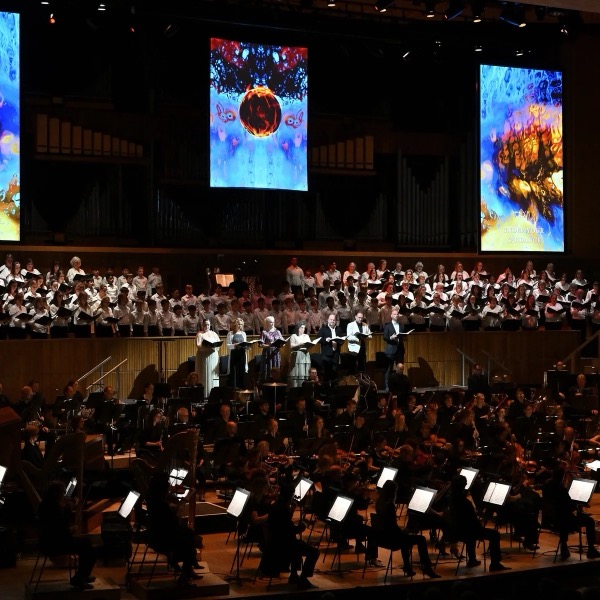
Mahler at the Royal Festival Hall
Wolfgang Amadeus Mozart: Piano Sonata No. 2 in F Major, K. 280 – II. Adagio (Lars Vogt, piano)
The quote also reflects the universality of classical music. Although many works were composed in very different historical and cultural contexts, they continue to resonate because they express universal emotions: grief, joy, longing, triumph, fear, hope… Audiences don’t need to know about sonata form or harmonic analysis to be deeply moved by a performance. Someone hearing Verdi‘s Requiem, for example, may not understand its technical construction, but can still feel its sorrow and intensity. Trusting the music means believing that emotional communication is more important than specialist knowledge.
The quote also challenges the gatekeeping often found in classical music culture. If music can advocate for itself, audiences need not be experts to engage with it. Too often, classical music is presented or perceived as requiring education or intellectual preparation before enjoyment. This can alienate potential listeners. Direct experience should come first: hearing the orchestra, sensing the atmosphere of live performance, and responding personally. Knowledge can enhance appreciation later, but an emotional connection does not need permission.
Ultimately, the statement argues for authenticity. Classical music endures not because it is historically prestigious, but because great music continues to speak to human experience. Having the courage to trust it means allowing the art form to communicate in its purest form and believing that listeners, when genuinely exposed to it, will find meaning, beauty and connection.
For more of the best in classical music, sign up for our E-Newsletter
Jean Sibelius: Spring Song, Op. 16 (Lahti Symphony Orchestra; Osmo Vänskä, cond.)