
Over 300 years ago, in 1716, the great French harpsichordist François Couperin published his famous treatise L’Art de Toucher le Clavecin (The Art of Playing the Harpsichord). It is, by all accounts, the main Baroque text on playing the instrument,
Couperin
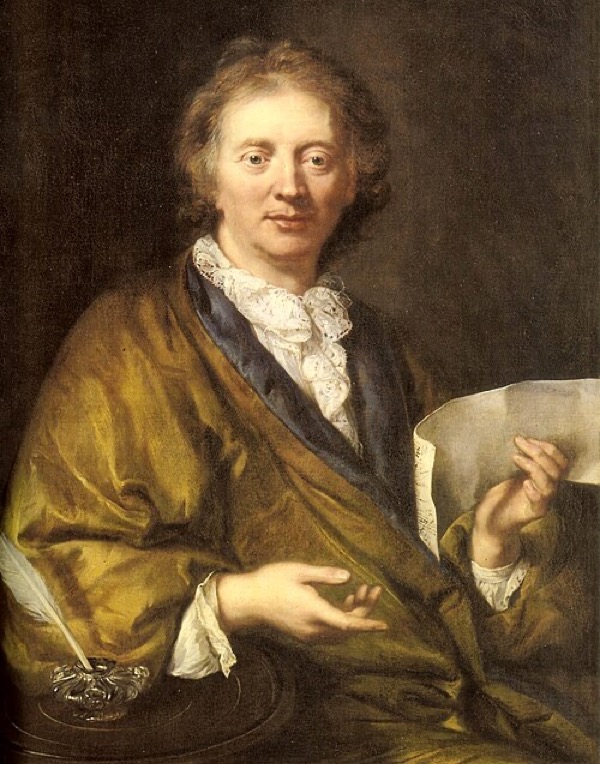
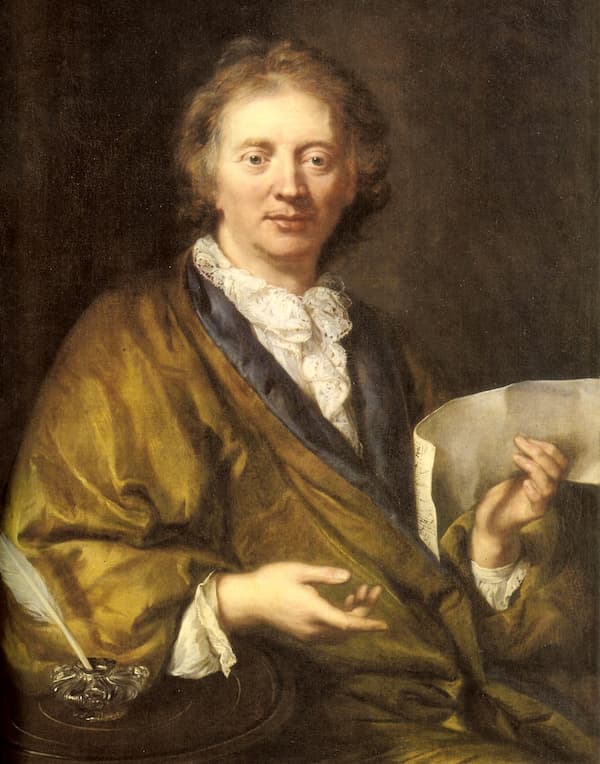
François Couperin (188–1733) ranks with J.S. Bach and Dominico Scarlatti as one of the most prolific harpsichordists of his time. He was known as Couperin the Great, to differentiate him from the multiple other members of the Couperin family. His
Historians frequently regarded François Couperin as “a composer of elegant trifles written for a sophisticated, yet frivolous, audience.” Charles Burney, for example, described Couperin’s music as “so crowded and deformed by beats, trills, and shakes, that no plain note was

French Baroque composer François Couperin (1668–1733), who had a career as a composer, harpsichordist, and organist in the French royal court, was born into a famous family of Parisian musicians. He served in the court of Louis XIV as organiste
No one really knows what Les Barricades Mystérieuses actually means. The title literally translates from the French as “the mysterious barricades” but it gives little clue. It could refer to masks – or masques, a form of courtly entertainment –
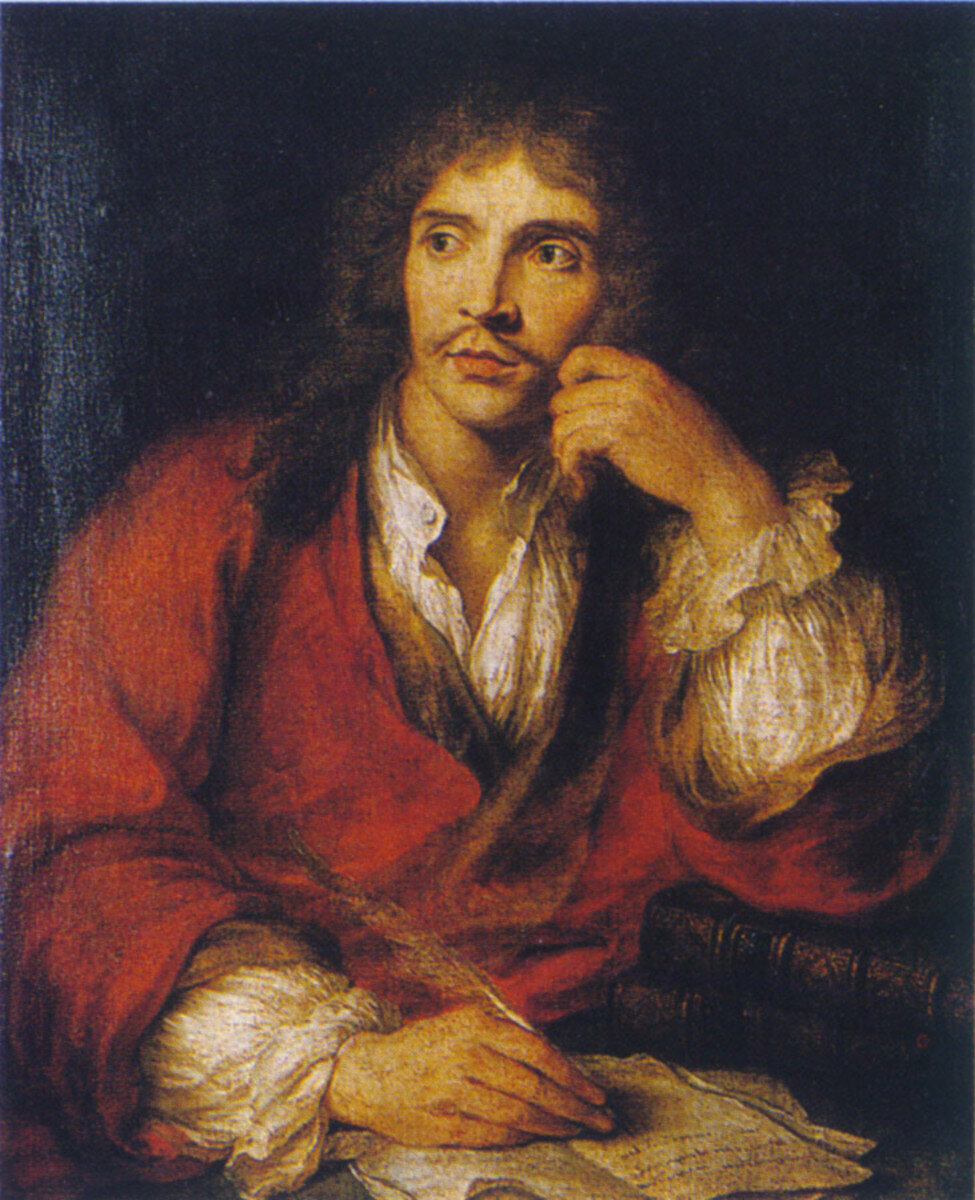
Jean-Baptiste Poquelin, better known under his stage name “Molière,” is widely regarded as one of the greatest writers in the French language. He spent 13 years as an itinerant actor before he started to write his own plays. Combining elements
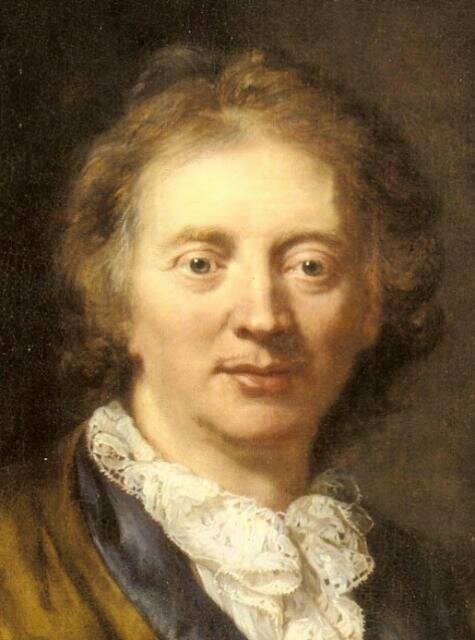
Representing his crowning achievements as a composer, Couperin published four harpsichord books, containing roughly 220 pieces. In the preface to his 1713 collection he wrote, “In composing these pieces, I have always had an object in view, furnished by various
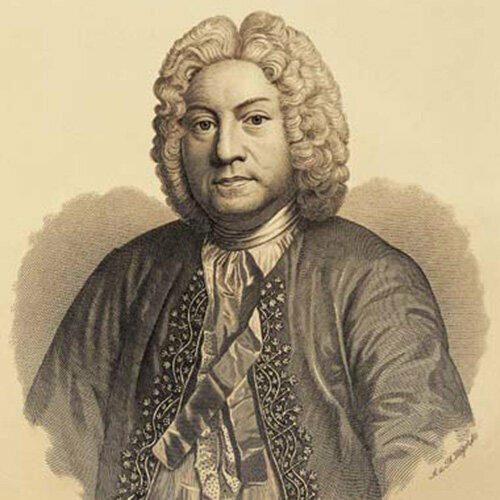
“I esteem what deserves esteem” In 2018 we celebrate the 350th birthday of François Couperin (1668-1733), a composer described as “the epitome of French music” by both Debussy and Ravel. Couperin was undoubtedly the most famous member of a family