In an earlier article, we listened to the piano works of Sergei Bortkiewicz (1877–1952) and discovered a treasure trove of Romantic brilliance. His lush and melodic music certainly carried the torch of late Romanticism, and he developed a style that’s instantly recognisable for its sweeping lyricism, vivid harmonies, and heartfelt sentimentality.
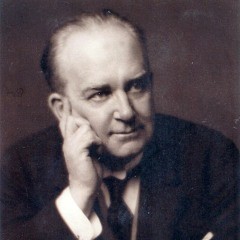
Sergei Bortkiewicz
Despite enduring immense hardship, Bortkiewicz’s music remained warm, poetic, and deeply expressive, reflecting a soul that found beauty amid chaos. His life was a testament to resilience, as he continued to compose and perform throughout Europe during the deeply troubling first half of the 20th century.
Bortkiewicz was often overlooked in the late 20th century because of his unapologetically Romantic style, even as much of the musical world embraced modernism. Luckily, his music is being rediscovered as we speak, including a number of chamber, orchestral, and concerto works. Shall we have a listen?
Sergei Bortkiewicz: Suite for Violin and Piano, Op. 63 (Cristian Persinaru, violin; Paul Cox, cello; Nils Franke, piano)
Violin Sonata
Richard Whitehouse considers the Violin Sonata by Sergei Bortkiewicz “among the most impressive of his few chamber works, containing the musical language of his maturity at its most vivid and directly communicative.”
The work dates from 1924, and despite the turbulent period in his life as he had fled the Russian Revolution and settled in Vienna, this sonata channels his gift for melody into a three-movement journey. It is music full of nostalgic memories and emotional directness.
Bortkiewicz doesn’t hide behind complexity, but lets the music speak straight to the soul. Balancing technical demands with melodies faintly hinting at Slavic folk spirit, this sonata is a defiant love letter to the Romantic era. It just goes to show that beauty and feeling never go out of style.
Sergei Bortkiewicz: Violin Sonata in G Minor, Op. 26 (Solomiya Ivakhiv, violin; Steven Beck, piano)
Violin Concerto
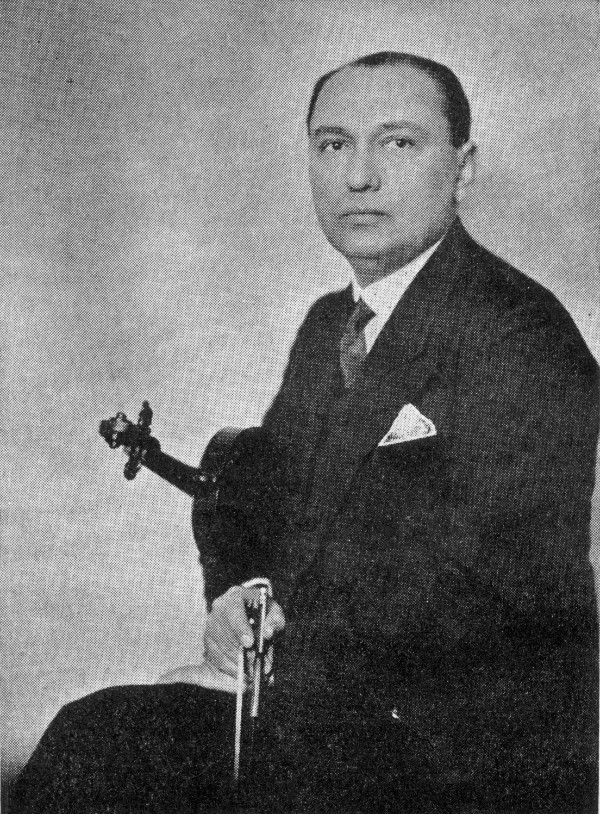
Portrait of Frank Smit holding his Violin, “Guarnerius”
During his time in Vienna in 1922, Bortkiewicz also composed his Violin Concerto Op. 22. It is a sweeping romantic composition that pulses with emotional intensity and melodic richness.
Dedicated to his friend, the violinist Frank Smit, this expansive work embodies the grand tradition of Russian Romanticism, with echoes of Tchaikovsky, Glazunov, and early Rachmaninoff woven around subtle Wagnerian harmonies.
The work offers a remarkable emotional range, and its length and complexity never feel excessive. As The Strad noted, the concerto “never outstays its welcome,” thanks to its compelling balance of passion and restraint.
Sergei Bortkiewicz: Violin Concerto in D minor, Op. 22
Cello Concerto
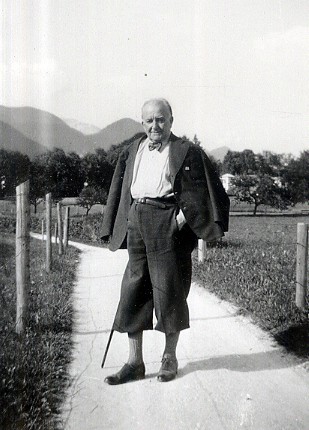
Sergei Bortkiewicz in the Austrian mountains, 1947
The Bortkiewicz Violin Concerto of 1922 has a sibling concerto for cello. This deeply emotive and richly melodic work also exemplifies the composer’s unapologetic devotion to the late-Romantic tradition.
Dedicated to his friend, the cellist Paul de Conne, this single-movement concerto, lasting approximately 30 minutes, is a testament to Bortkiewicz’s ability to craft music that is both technically demanding and profoundly expressive.
Unlike traditional multi-movement concertos, the Bortkiewicz Cello Concerto unfolds in a single, continuous movement. According to the scholars, this structural choice gives it a cohesive, narrative-like flow. Despite its musical qualities, the Cello Concerto remained obscure for much of the 20th century, but it is currently explored as a hidden treasure beyond the mainstream repertoire.
Sergei Bortkiewicz: Cello Concerto in C minor, Op. 20
Élégie
On a smaller scale, the Élégie for Cello or Violin and Piano, Op. 46 is a captivating miniature that depicts the essence of Bortkiewicz’s artistry. It deliciously blends Slavic melancholy, Romantic warmth, and melodic elegance.
Both technically approachable and emotionally profound, it is a powerful meditation on beauty and loss. A reviewer wrote, “it feels like a warm embrace, inviting audiences into a world of intimate, heartfelt expression.”
It provides a concentrated dose of Bortkiewicz’s melodic gift, and its brevity makes it an ideal recital piece. Like much of his output, it was largely overlooked during his lifetime due to its unapologetic Romanticism. One thing is for sure, however, the Élégie speaks directly to the heart.
Sergei Bortkiewicz: Elegie in D-Flat Major, Op. 46 (Cristian Persinaru, violin; Paul Cox, cello; Nils Franke, piano)
Piano Sonata No. 1
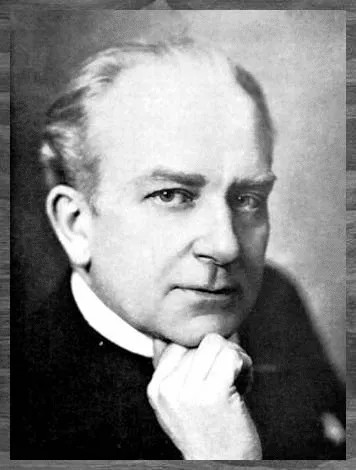
Sergei Bortkiewicz
Passion and melodic exuberance, hallmarks of Bortkiewicz’s musical style, are already present in his youthful works. His 1st Piano Sonata was written during his time in Leipzig, where he studied at the Conservatory and absorbed the influences of Liszt, Chopin, and Tchaikovsky.
The work is a vibrant and ambitious statement, composed before the upheavals of the Russian Revolution forced his exile. As such, it carries an optimistic, almost carefree spirit that combines virtuosic flair and lyrical warmth.
Early reviews called it “idiomatic piano writing” and praised the sonata for its “colourful imagination.” In fact, it drew comparisons to early Scriabin and Liszt. This sonata is probably the best introduction to Bortkiewicz’s pianistic world, as it offers a blend of youthful exuberance, melodic richness, and Romantic passion.
Sergei Bortkiewicz: Piano Sonata No. 1 in B Major, Op. 9 (Stephen Coombs, piano)
Piano Concerto No. 3
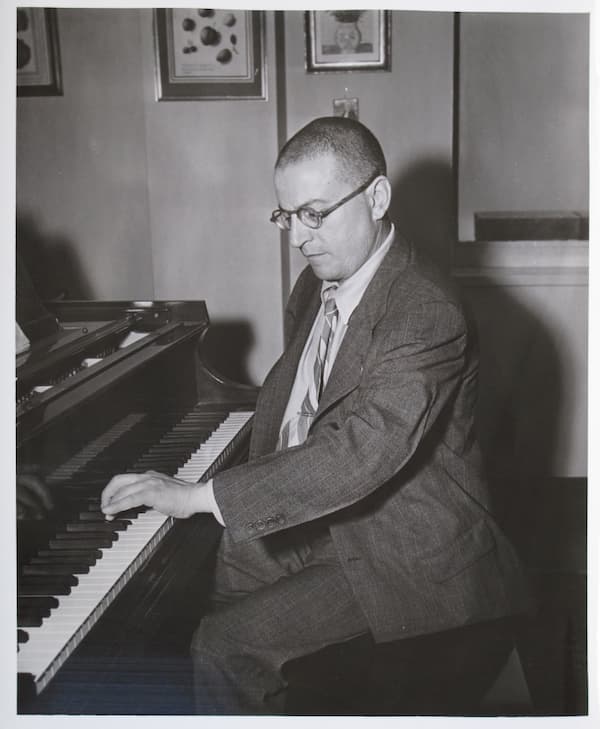
Paul Wittgenstein
In all, Bortkiewicz composed three piano concertos. No. 1 is a bold and youthful work in the mould of Tchaikovsky. No. 2 was written for the left-hand pianist Paul Wittgenstein, and No. 3 carries the subtitle “Through hardship to the stars.”
Experts consider it Bortkiewicz’s most ambitious and personal work, not to mention his crowning achievement in the concerto form. Dedicated to the Dutch pianist Hugo van Dalen, it premiered in 1928 and features emotional intensity, melodic richness and virtuosic demands.
The programmatic subtitle reflects Bortkiewicz’s own journey through exile, war, and personal loss to artistic triumph. It was clearly out of step with the modernist trends of the 1920’s, but its emotional directness and melodic appeal have fuelled a modern revival. And it is certainly a powerful addition to the Romantic concerto tradition.
Sergei Bortkiewicz: Piano Concerto No. 3, Op. 32 “Per aspera ad astra”
Symphony No. 1
In the last chapter of his 1936 autobiography, Sergei Bortkiewicz wrote “ Only someone who has been torn forcibly from the soil of his homeland can know how painful this feeling can be sometimes.” Perhaps this yearning for his homeland grips most strongly the creative artist, the author, the composer. He would like to go “back to the mother,” as Goethe says … to the source, to the native soil, in order to gather new forces, to refresh his fantasy, to live again.
Bortkiewicz completed two symphonies and wrote a series of sketches for a third. The Symphony No. 1 was written in the autumn of 1934 during a period of serious financial despair. As he wrote to a friend, “Just now I am working the whole day on my first symphony. My greatest work up till now! Three parts in the sketch are already composed. It is almost perfect. Will I die now? Help me to complete this work, then I can die in peace.”
The opening Allegro sounds a grand Slavic-inflected theme, while the slow movement provides the lyrical contrast with a melancholic cello melody evoking nostalgia. The Scherzo sparkles with a lively and folk-dance rhythm while the concluding Allegro sounds a triumphant anthem within a rondo structure.
Its folk-inspired themes and lush Romanticism were out of step with 1930’s modernist trends, contributing to its obscurity during his lifetime. However, this love letter to his roots makes a powerful addition to the late-Romantic symphonic repertoire.
Sergei Bortkiewicz: Symphony No. 1 in D Major, Op 52, “From My Homeland” (Emma Schied, oboe; BBC Scottish Symphony Orchestra; Martyn Brabbins, cond.)
Arabian Nights
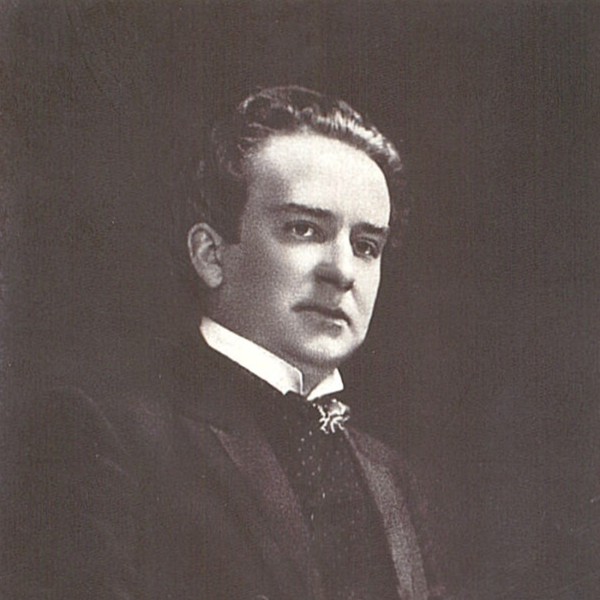
Sergei Bortkiewicz
Composed in 1931 in Vienna, Sergei Bortkiewicz’s Arabian Nights, Op. 37 is a captivating orchestral suite that transports listeners to the enchanting world of Middle Eastern folklore, as inspired by the tales of One Thousand and One Nights. This work is a set of five vivid orchestral miniatures, later arranged by the composer for piano solo and by others for various ensembles.
The complete suite comprises five movements, each depicting a scene or character from The Arabian Nights, with titles that capture the narrative essence of the tales. This suite stands out in Bortkiewicz’s catalogue for its programmatic vividness and orientalist inspiration. It certainly aligns with the Romantic fascination with exotic theme seen in works like Rimsky-Korsakov’s Scheherazade.
Bortkiewicz offers listeners a delightful journey into a world of fairy-tale wonders by blending Slavic melodic warmth with an orientalist palette. Its vivid imagery and emotional directness offers a fresh perspective on the Romantic tradition.
As we just heard, Sergei Bortkiewicz crafted a rich late-Romantic oeuvre of chamber music, concertos, and symphonies, brimming with lush melodies and heartfelt emotion. Once overshadowed by modernist trends, his works are now being revived through modern recordings and performances.
Bortkiewicz is known to have composed a piano trio, but sadly, the score has gone missing. We can only hope that it will one day resurface, perhaps tucked away in a forgotten library or dusty cupboard, waiting to be rediscovered.
For more of the best in classical music, sign up for our E-Newsletter
Sergei Bortkiewicz: A Thousand and One Nights, Op. 37 (arr. B. Engeli for clarinet, violin, cello and piano) (excerpts) (Zurich Ensemble, Ensemble)