A new recording on Naxos Records features two works by Kip Winger, better known as a bassist with Alice Cooper and for forming his own band, Winger, which is still performing. He studied classical music with Richard Danielpour, Michael Kurek, and Richard Hermann, and his works have been performed by orchestras all over the US and Europe.
His first classical composition, Ghosts, for strings, piano, and harp, had its premiere in 2009 with the Tucson Symphony Orchestra and its premiere as a ballet in 2010, with choreographer Christopher Wheeldon creating the work for the San Francisco Ballet.
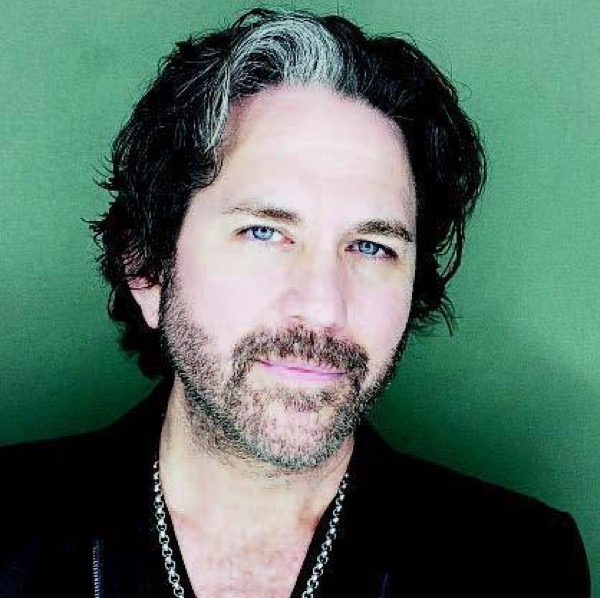
Kip Winger
His next ballet, Conversations with Nijinsky, which celebrated the Russian choreographer Nijinsky, was nominated for a GRAMMY® for Best Contemporary Classical Composition. He’s been working with the Nashville Symphony, which commissioned his next two works: a symphony (2023) and a violin concerto (2024).
The violin concerto, In the Language of Flowers, was inspired by the flowers outside his window, and he ‘imagined that they harboured a secret narrative’. Further research revealed the long history of the language of flowers and their symbolic meanings in both culture and art.
The four flowers he chose are Forsythia, Viscaria, Ambrosia, and Wisteria. With their distinctive colours and meanings, they provide an interesting point of inspiration for a composer and the audience alike.
Forsythia is a symbol of Spring and its associated meanings of Renewal and New Beginnings. It can also be a symbol of Resilience (the top Post-Covid word!) and, in Chinese culture, it means Good Fortune, and in Korean folklore, it stands for Enduring Love.
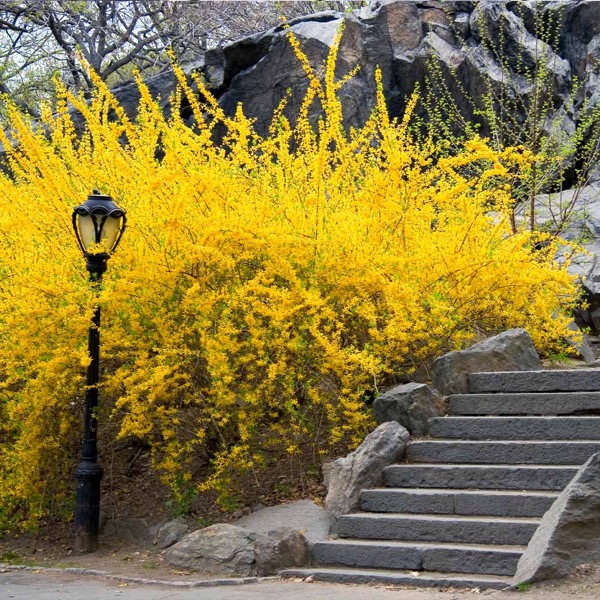
Forsythia
The violin concerto starts with a glorious cadenza, falling and sparkling like the growth of forsythia. The violin introduces the concerto’s four themes and uses an unusual 7/8 meter.
Kip Winger: Violin Concerto, “In the Language of Flowers”: I. Forsythia (Peter Otto, violin; Nashville Symphony Orchestra; Giancarlo Guerrero, cond.)
Viscaria, also known as Sticky Catchfly, Rose of Heaven, or Ragged Robin, is associated in Greek and Roman mythology with Love and Beauty and, in Norse mythology, with the goddess Freya, the holder of the fruit of immortality. In European folklore, it was a protector against Evil Spirits and Witchcraft. In a garden, it has a delicate beauty and readily attracts pollinators. In a bouquet, it can mean ‘Will you dance with me?’
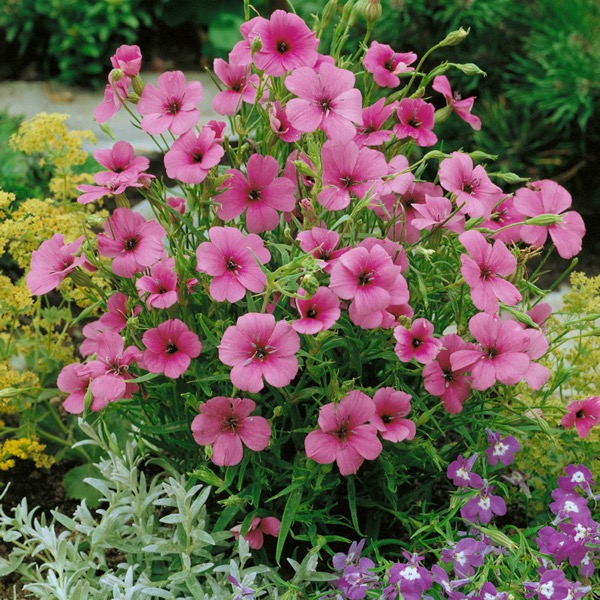
Viscaria
The second movement slows the urgency of the first movement but still maintains a tension through the melodic line. It opens with a chromatic melody in the violin. The orchestra provides support through repeated chords and accented passages.
Kip Winger: Violin Concerto, “In the Language of Flowers”: II. Viscaria (Peter Otto, violin; Nashville Symphony Orchestra; Giancarlo Guerrero, cond.)
Ambrosia, a flower whose name is used for the food of the gods, is, unfortunately, also known as Ragweed, one of those spring allergy triggers. In Victorian language of flowers, it stands for a love that’s given back to you – requited, rather than unrequited, love. Sent in a bouquet, if the recipient doesn’t sneeze to death, it’s a message that ‘Your love is reciprocated.’

Ambrosia (Ragweed)
The slow movement, Ambrosia, is described by the composer as ‘a waltz with a stormy undercurrent of passion, ending with a beautiful melodic ascension into the heavens’.
Kip Winger: Violin Concerto, “In the Language of Flowers”: III. Ambrosia (Peter Otto, violin; Nashville Symphony Orchestra; Giancarlo Guerrero, cond.)
Wisteria, that glorious purple harbinger of Spring, can carry one of two messages: Devoted Attachment or Caution Against Obsession. The first meaning comes from the vine’s twining and twisting growth around trellises. The second meaning comes from the same twining, saying ‘You’re suffocating me!’ Other meanings over time have included welcome, steadfastness, and longevity. The plant was originally found in the Far East (China, Japan, Korea, Vietnam) and was later introduced to Europe.
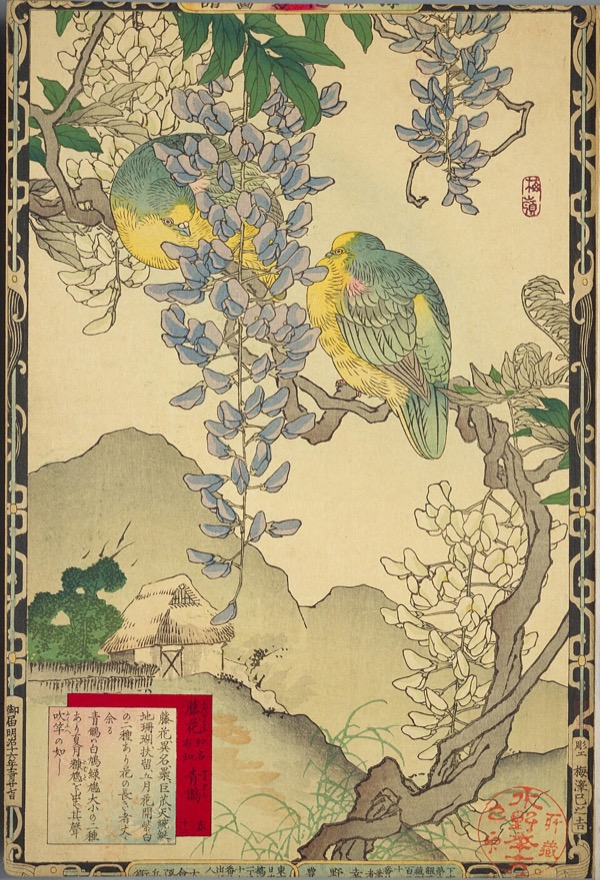
Kōno Bairei: Japanese Wisteria and White-Bellied Green Pigeons, 1883 (National Diet Library)
The final movement, Wisteria, is a virtuosic showcase for the violin soloist, with the orchestra providing colour and rhythm behind it.
Kip Winger: Violin Concerto, “In the Language of Flowers”: IV. Wisteria (Peter Otto, violin; Nashville Symphony Orchestra; Giancarlo Guerrero, cond.)
In his notes about the work, the composer said he ‘imagined the concerto as a love story that no words could adequately express’. What are the flowers that express your love story?
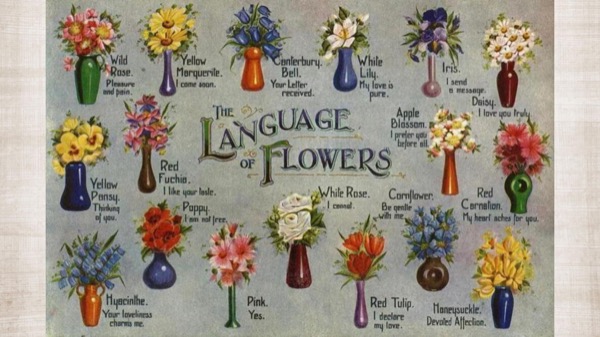
The Language of Flowers
For more of the best in classical music, sign up for our E-Newsletter