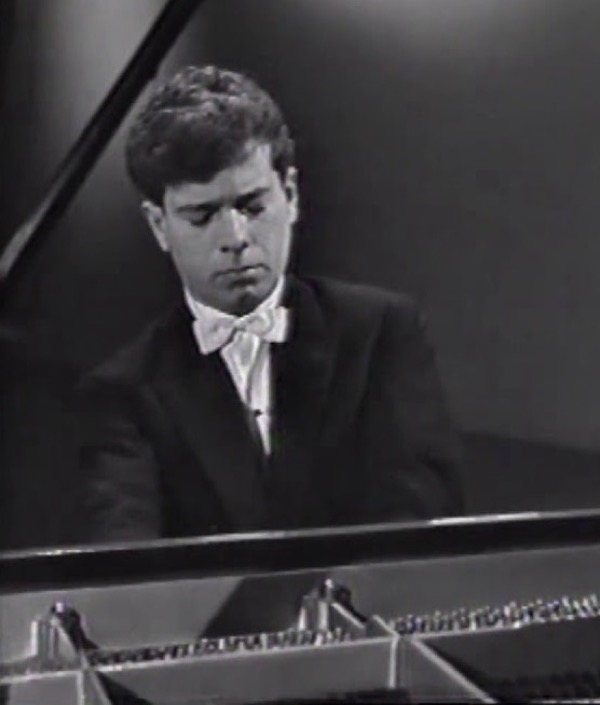
Brazilian pianist Nelson Freire, born on 18 October in Boa Esperança, Minas Gerais, gave his first recital at age four and, after placing seventh in the International Piano Competition in Rio de Janeiro at age twelve, went on to study with Bruno Seidlhofer in Vienna.
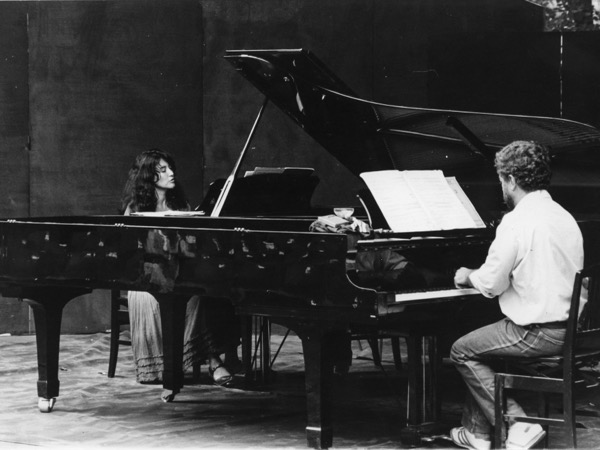
He continued to win international piano awards and toured the world’s great stages to great acclaim. Freire performed and recorded much of the piano duo repertoire with Martha Argerich. The brilliance of his technique and the cleanness of his musical taste helped establish a notable reputation as an interpreter of Chopin.
Nelson Freire
Freire kept much of his private life out of the public eye and gave few interviews. However, he was the subject of the 2003 documentary Nelson Freire: A Film About a Man and His Music. To celebrate his birthday, let us revisit this intimate portrait of a remarkable musician who was reluctant to put himself on display.
Nelson Freire plays Chopin: Ballade in A-flat Major, No. 3, Op. 47
On Stage, Backstage, and Beyond
Argerich and Freire
The documentary on Nelson Freire, directed by João Moreira Salles, was filmed in concert halls, backstage, during travel and at home. It follows the pianist from memories of his first encounters with the piano to scenes with admirers after performances.
Performances and rehearsals make up much of the film, with Martha Argerich providing the principal personal testimony. The footage was filmed in Rio de Janeiro, São Paulo, France, Belgium and Russia between May 2000 and August 2001.
It screened at the International Documentary Film Festival Amsterdam and at the San Francisco International Film Festival in 2005. In 2003, it won Best Documentary at the Festival Internacional del Nuevo Cine Latinoamericano. The following year it won Best Documentary and Best Sound at the Grande Prêmio do Cinema Brasileiro.
Nelson Freire plays Villa-Lobos: “Alegria na horta”
Let the Music Do the Talking
Nelson Freire © Hilary Scott
The film is structured as a mosaic of 31 thematic sections and does not follow a conventional chronological biography. In principle, the thematic blocks could be assembled in any given order, as there is no intent to tell a story with a beginning, middle, and end.
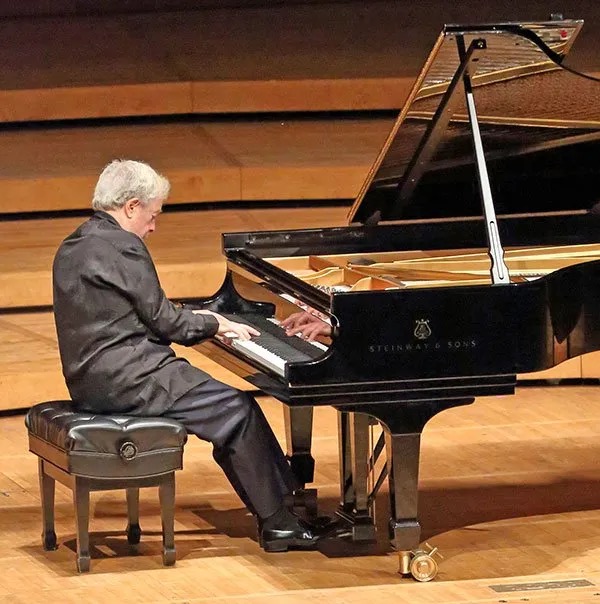
We follow the pianist at work and through the practical realities of an international concert career. The film finds Freire preparing for concerts and also performing, as he moves between the public stage and his private sphere.
There is no expert narration to explain his achievements as João Moreira Salles lets the pianist’s playing and behaviour do all the talking and revealing. The juxtaposition between the concentration of performance and the ordinary business of everyday life is central to this documentary. In fact, most explanations come from Freire’s playing itself.
Nelson Freire plays Gluck/Sgambati: “Orfeo and Euridice”
A Son’s Destiny
One historical thread explores Freire’s childhood in Brazil and the sacrifices behind his musical career. He was recognised as an exceptional talent at an early age, and his family moved from the interior of the country to Rio de Janeiro so he could pursue his musical education.
A touching sequence in the film is the reading of a letter his father wrote when Nelson was six. It reflects the family’s decision to relocate and the sacrifices they had to make. Away from the concert platform, Freire was very reserved and uncomfortable with publicity. And he was certainly unhappy with excessive self-promotion.
Aware of this reticence, João Moreira Salles avoids the standard biographical formulations and never treats him as a talkative documentary subject. As a result, Freire’s unfinished thoughts, expressions, and silences become a powerful part of the portrait.
Nelson Freire plays Moszkowski: Etude, Op. 72, No. 6
Beyond the Applause
Nelson Freire © Fabrice Boissière
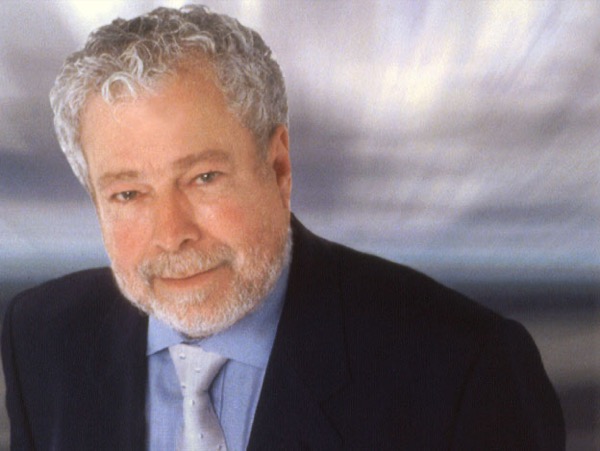
Except for Martha Argerich, the film doesn’t feature friends, relatives, or critics explaining why Freire was an exceptional pianist. Instead, we see a broader portrait of a musician through the lens of his friendship with Argerich, which lasted more than four decades by the time the documentary was made.
The film’s central subject, however, is music. It observes the pianist’s physical and emotional responses to music. This includes a wonderful sequence of Freire listening with visible emotion to recordings by the Brazilian pianist Guiomar Novaes, a musician he greatly admired.
This documentary is a must-see for any classical music lover and pianist, as it explores several interconnected aspects of Freire’s life and artistry. We find the prodigy and the virtuoso, the listener and the private individual alongside the working musician and longtime friend. The music, in turn, connects all these aspects.
https://www.imdb.com/title/tt0360833/
For more of the best in classical music, sign up for our E-Newsletter