
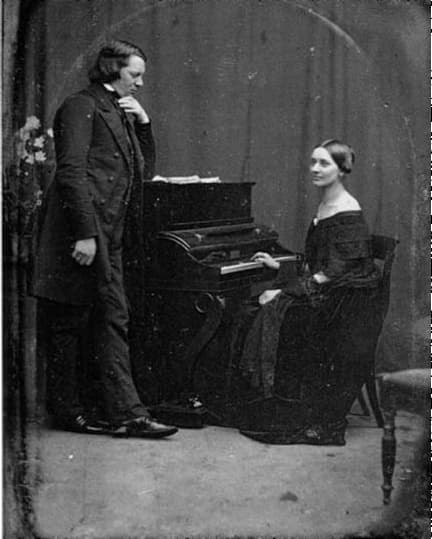
The love story between Robert and Clara Schumann is often regarded as one of the most romantic in classical music history. Happily for historians, many of their love letters survive. They document their inner thoughts and emotions, as well as
Latest article
Spotlight
-
 Richard Strauss: A Composer for All Seasons June 6th, 2014 Elektra (1909), proved crucial to Strauss’s later development as a composer of opera, since it marked the beginning of his collaboration with the young Viennese poet Hugo von Hofmannsthal. This tale of multiple murder and bitter vengeance is musically and
 -
 Modern Done Right June 5th, 2014 When you look at the output of composer and conductor Carl Davis, you get a wonderful overview of the many ways that a classical orchestra can take on the pop repertoire. There are orchestral renderings of the music from the
 -
 Richard Strauss and his Leading Ladies June 3rd, 2014 Throughout his life, Richard Strauss surrounded himself with beautiful women!
 -
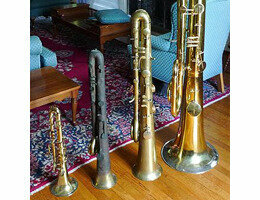 Music for Obscure Instruments June 2nd, 2014 We think of instruments as being so well-established (look at any orchestra), that we don’t think about the instruments that were there and are now gone, or have been replaced with something else, or just changed into something else.
 -
 Quatuor Hermès June 1st, 2014 This month, our Artists of the Month are the Quatour Hermès, a young string quartet moving from strength to strength. I caught up quickly with Elise Liu, their second fiddle, ahead of their upcoming tour to China.
 -
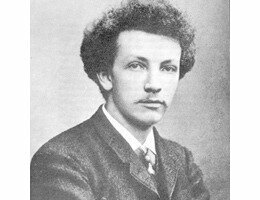 Intimacy in Strauss
The Cello Sonata May 31st, 2014Yo-yo Ma, cello Emanuel Ax, piano Richard Strauss: Cello Sonata in F Major, Op. 6, TrV 115 Richard Strauss was controversial as a person and as a composer, despite being one of the more prominent composers of the 20th Century. -
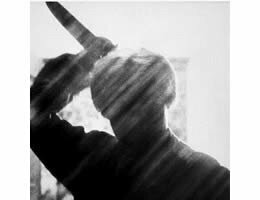 The Supernatural in Music
XII. Gothic Visuals: Musical Horror in the Cinema May 31st, 2014Slowly, behind the heroine, the shadow rises….the audience shrinks back in their cinema seats, helped with a hearty push from the music, generally starting in the cellos, which signal the terror that awaits. Then the violins take over, strident in -
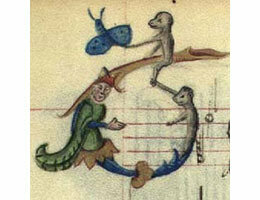 Monkeying around the Edges May 30th, 2014 In the fifteenth century, when manuscript book production really took off, the problem of blank space in the margins had some unique solutions. When these were music books, even the initial letters of songs were decorated.