
Specific cities have inspired a huge amount of classical music over the years. Today, we’re looking at a selection of classical works explicitly connected to major cities, examining how each composer responded to each place. Some pieces reflect civic pride
Latest article
Spotlight
-
 On This Day
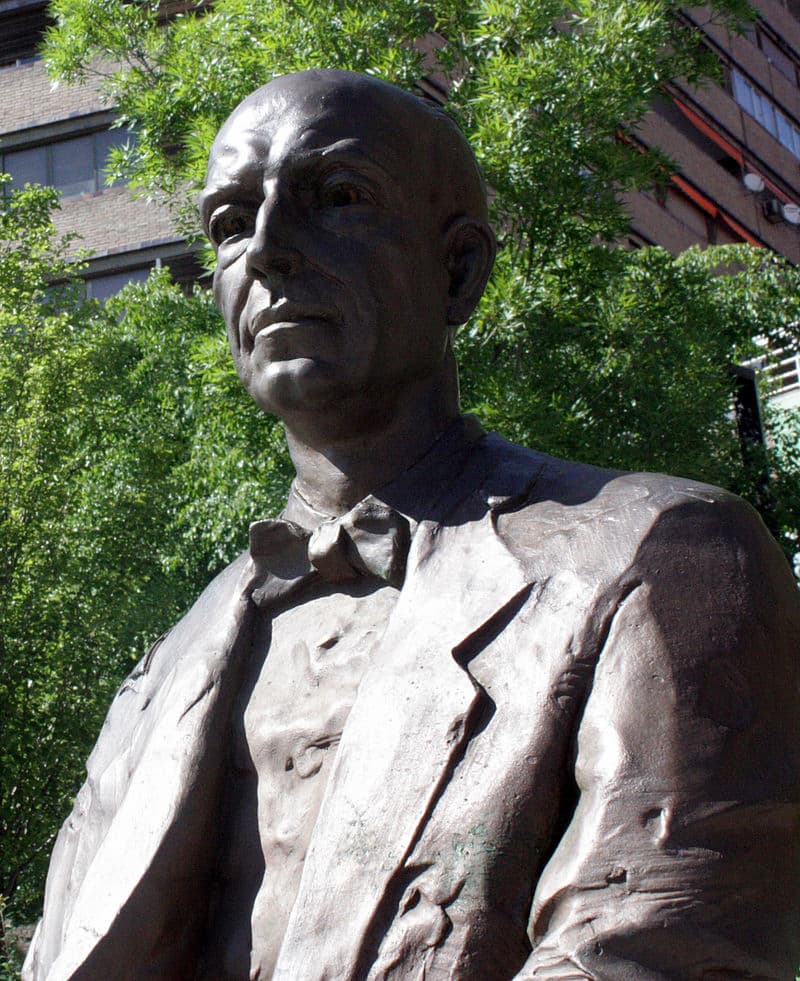
14 November: Manuel de Falla Died November 14th, 2022The Spanish Civil War raged for about thirty months between 1936 and 1939. It pitted the left-wing Republicans, loyal to the government of the Second Spanish Republic, against the Nationalists under General Francisco Franco. A historian writes, “The war became -
 Who Says Music Shouldn’t be Political?
Trailblazing Composer Jennifer Jolley November 13th, 2022Composer, conductor, and professor person, Jennifer Jolley believes her music can and should address current and provocative subject matter such as political issues. Consider the 2017 piece The Eyes of the World Are Upon You. The titles of her works -
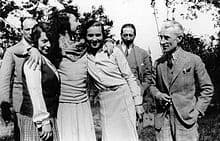
 Maurice Ravel and His Circle of Friends II November 13th, 2022 Let’s continue to look at Ravel’s relationships with his fellow artists and musicians. In 1907 Ralph Vaughan Williams went to Paris to take lessons with Maurice Ravel. The student was three years older than the teacher, but Ravel’s sinuous, detailed,
 -
 On This Day
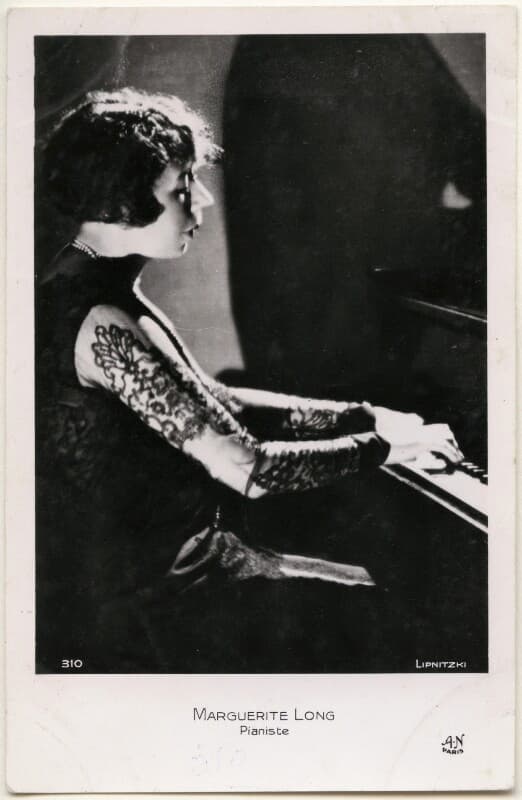
13 November: Marguerite Long Was Born November 13th, 2022Marguerite Long is rightfully considered one of the most important French pianists of the 20th century. Her career, which included a long professorship at the Paris Conservatoire, was guided by her burning desire to discover French contemporary music. Her marriage -
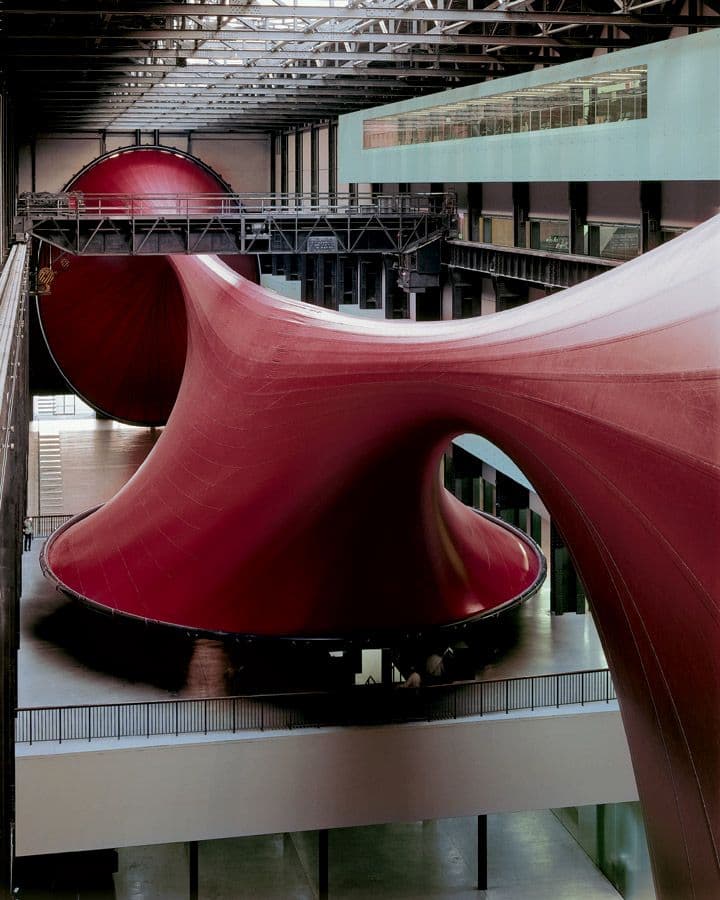 Musicians and Artists: Pärt and Kapoor November 12th, 2022 Arvo Pärt: Lamentate The Tate Modern in London has one exhibition hall, the Turbine Hall, that is so large it becomes its own problem for artists. The space is 155m x 23m x 115m (500’ x 75’ x 115’) with
 -
 On This Day
12 November: Kristine Opolais Was Born November 12th, 2022The voice of Latvian soprano Kristine Opolais has been described as “the gold of the Baltic Sea, with a honey-colored foundation and a vibrant high register, velvety splendor and character.” Born into a musical family in the Latvian city of -
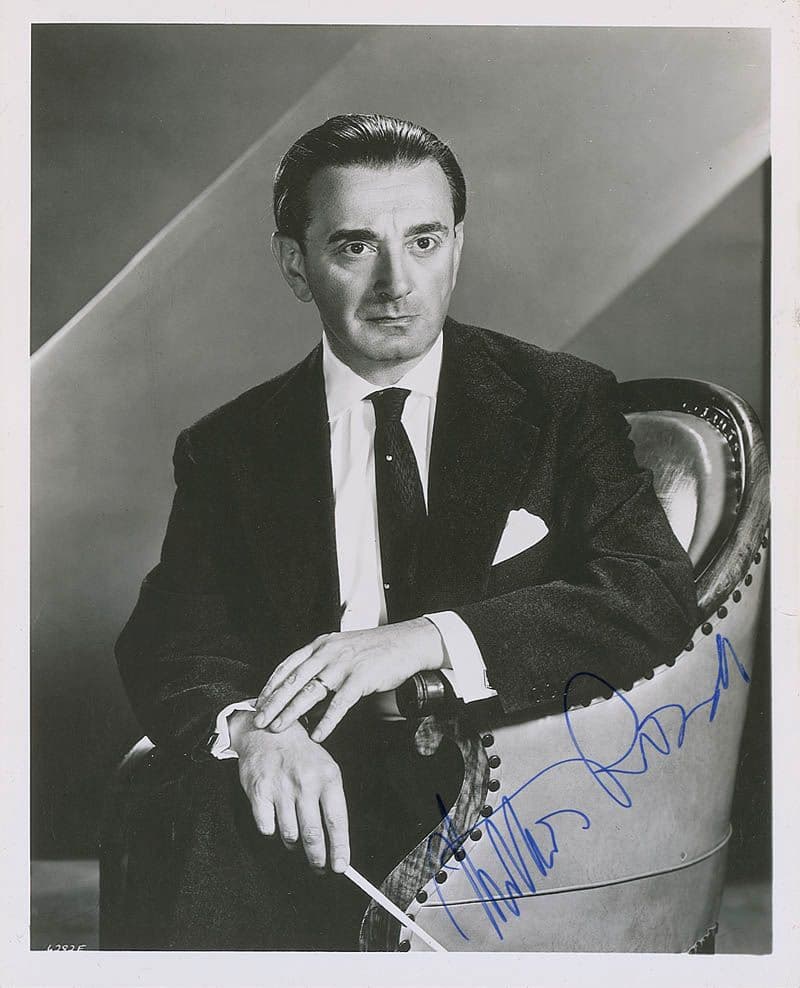 The Double Musical Identities of Miklós Rózsa November 12th, 2022 Compositions for Films and the Concert Hall On a long rainy day, with typhoon winds lashing the windows, I love nothing better than curling up with my favorite snacks in front of the Television. Basically, I will binge-watch an entire
 -
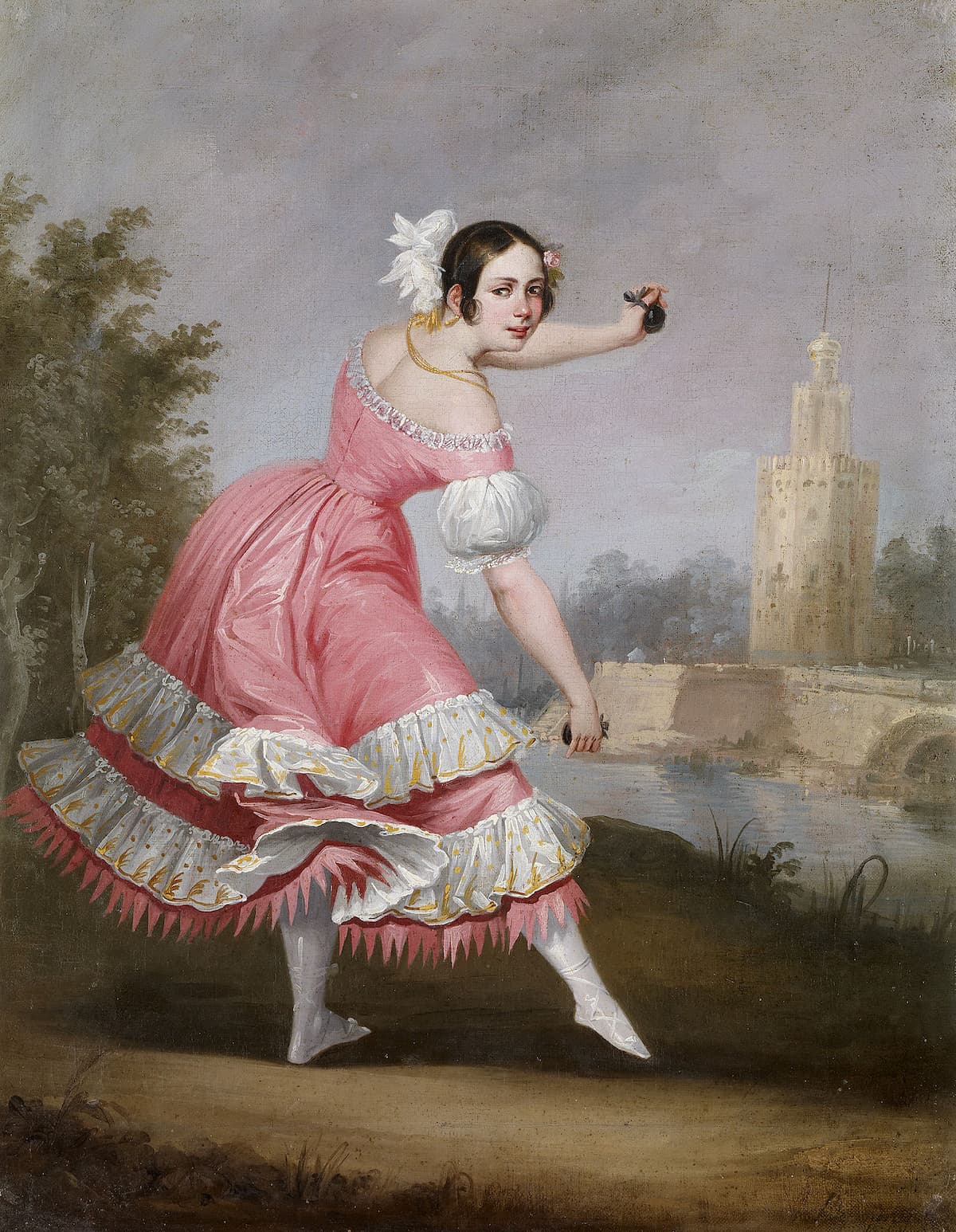 Dance, Dance, Dance: The Bolero November 11th, 2022 Although to many people the Bolero is a work for orchestra by Maurice Ravel, or, perhaps, a short jacket imitating a matador’s short jacket, the bolero is also a dance. Coming out of Spain in the late 18th century, the