
Compared with Chopin, Debussy, and Ravel, the solo piano music by Gabriel Fauré (1845-1924) is comparatively neglected. I think there are several reasons for that. First, Fauré only gave titles to his works to please his publishers. Although his piano
Faure
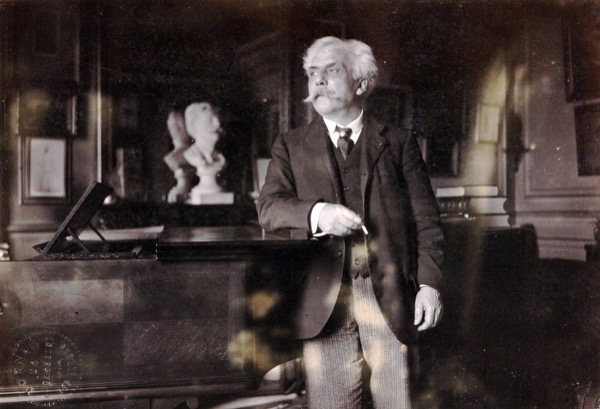
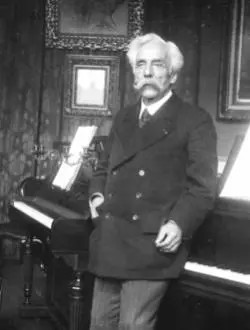
In the October 1922 issue of La revue musicale, the musical supplement contained an Hommage to Gabriel Fauré. The 7 piano pieces were all to be written using Fauré’s name, done into pitches. His entire name came out as GABDBEE
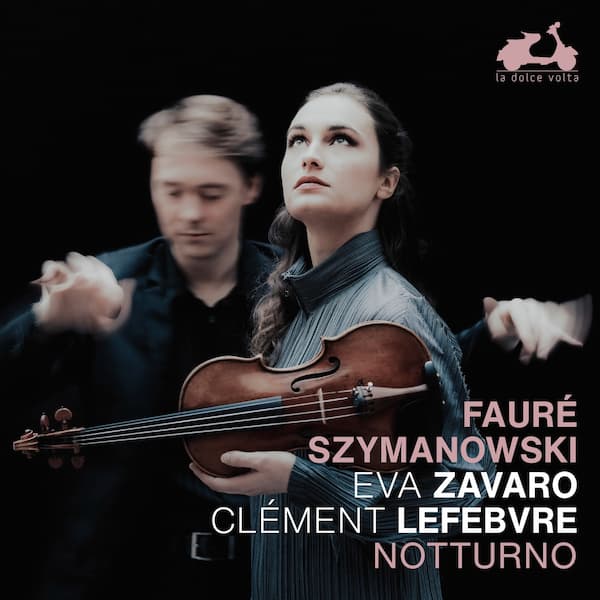
In a tribute to the places she considers home, violinist Eva Zavaro, joined by pianist Clément Lefebvre, presents works by Karol Szymanowski (1882–1937) and Gabriel Fauré (1845–1924). The recording includes both composers’ violin sonatas (Szymanowski No.1 and Fauré No. 2)
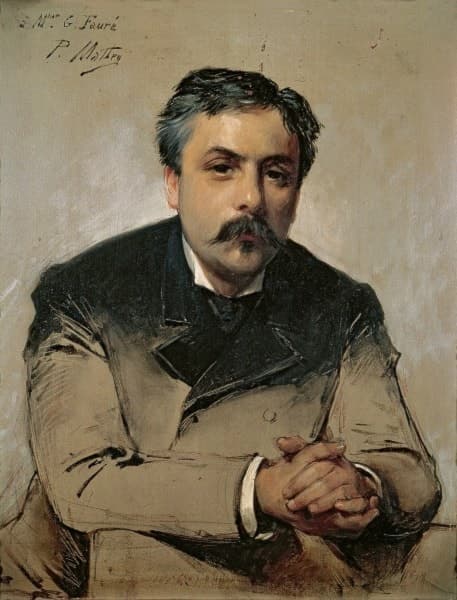
Gabriel Fauré’s mélodies represent a pinnacle of French art song, distinguished by their lyrical refinement, harmonic subtlety, and profound sensitivity to poetic texts. Fauré’s vocal compositions number over 100, and they demonstrate a melodic inventiveness that balances emotional expressivity with
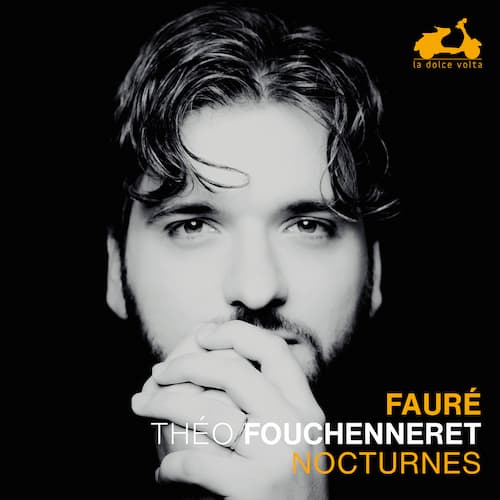
After the invention and development of the Nocturne in the hands of John Field and Frédéric Chopin, it wasn’t until Gabriel Fauré (1845–1924) took up the genre that it grew out of its romantic past and became part of the
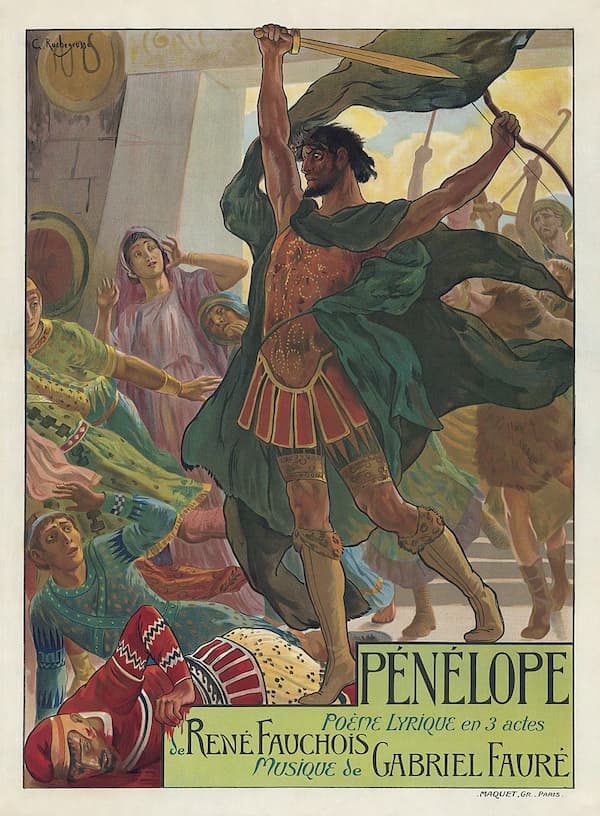
Penelope was the queen of Ithaca and the wife of Odysseus. She and her son, Telemachus, who was just born at Odysseus’ departure for the battlefield of Troy, wait patiently for Ulysses’ return. While he’s away for 10 years at
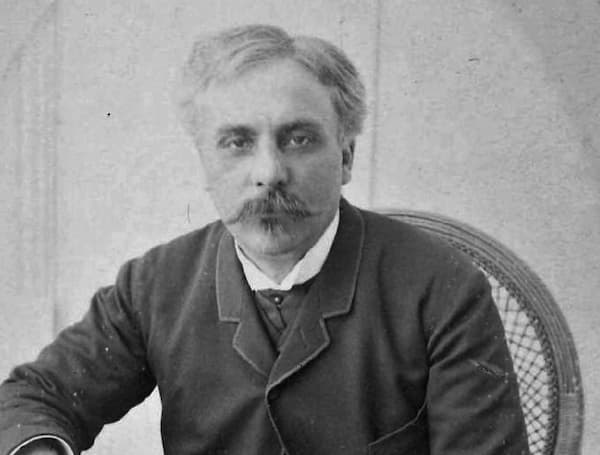
Gabriel Fauré (1845–1924) created his Berceuse in early 1880, first for violin and piano. It was heard by the publisher Julienne Hamelle who immediately snatched it up for publication. The work, for muted violin and piano, has a rocking accompaniment,
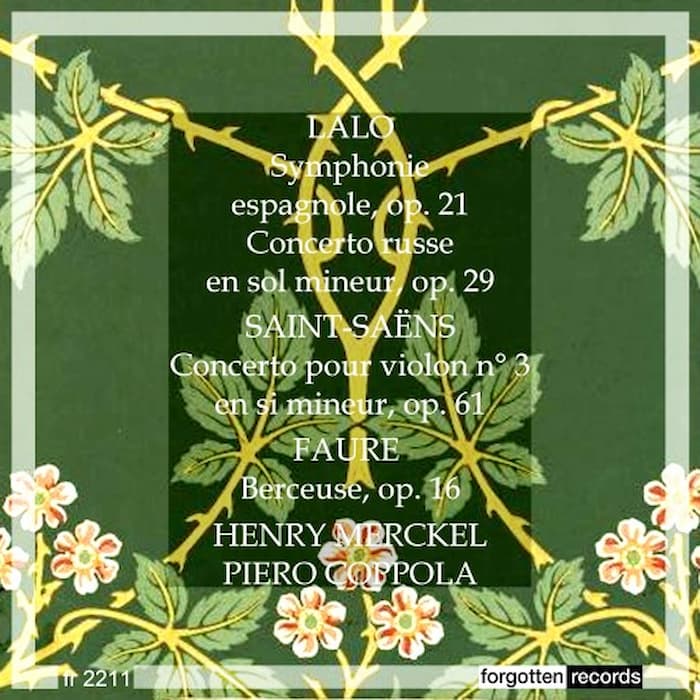
A berceuse is a piece to put you to sleep – particularly if you’re a small child in a cradle. It’s usually in triple meter with a very simple tonality – wild and chromatic is just out of the question