
A good many commentators consider Gabriel Fauré the “greatest master of French song.” He composed stylish and elegant melodies, etched with sleight-of hand urbanity. His music flows effortlessly, “magically combining Monet’s liquid cool with the warmth of a Pisarro landscape.”
In essence

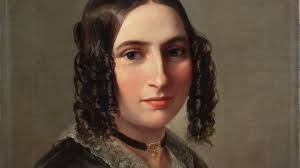
It is probably not common knowledge that the composer Charles Gounod and Fanny Hensel—sister of Felix Mendelssohn—met in Rome in 1839. Gounod had just been awarded the Prix de Rome and a scholarship to spend 12 months in the Eternal
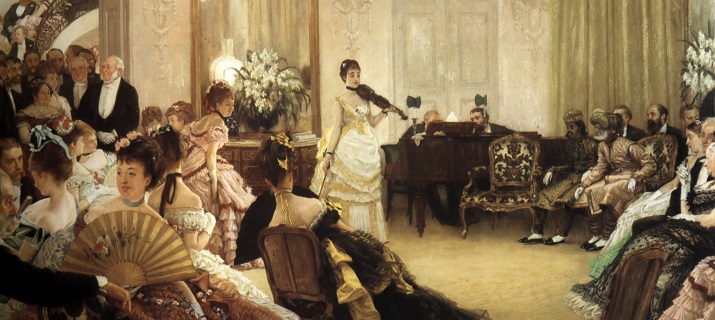
Contemporary accounts all agree that Gabriel Fauré was extraordinarily attractive. “He had a dark complexion, a somewhat distant expression of the eyes, a soft voice and gentle manner of speech that retained the rolled provincial ‘r’, and a simple and
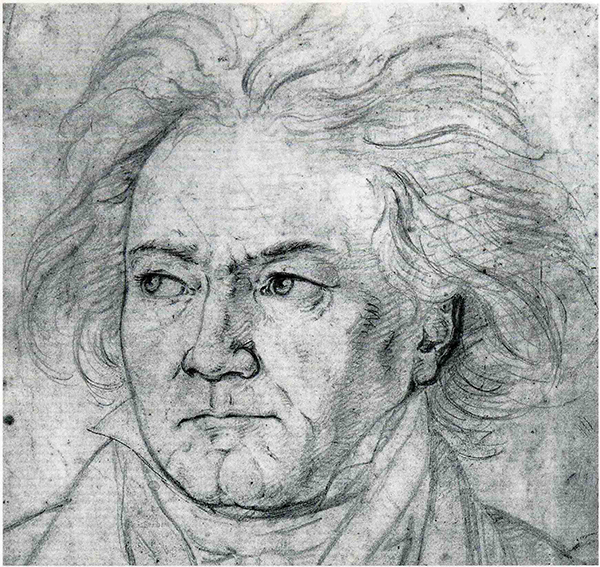
On 5 March 1825, Ludwig van Beethoven once again received a little friendly reminder from the local tax authorities. This time, however, the reminder was not friendly at all. Titled “Third Reminder,” the curt message reads, “Ludwig v. Beethoven is
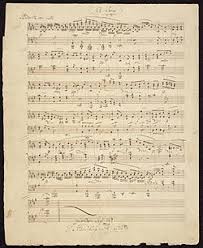
How many composers can rightfully claim to have single-handedly invented a genre? Not that many, in fact, but Felix Mendelssohn would certainly be a strong candidate with his “Songs without Words.” Although Mendelssohn relied on an existing tradition of writing
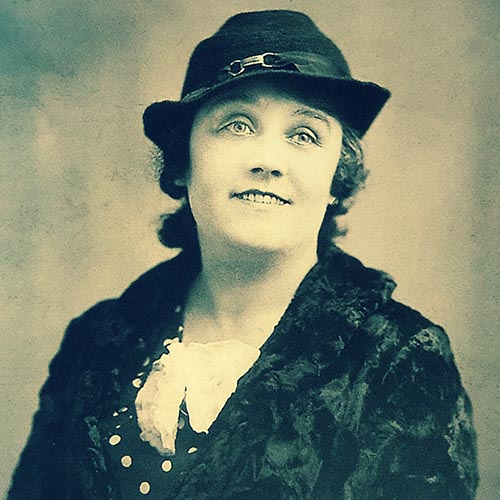
When we think of composers as creative inspirations, we don’t often think of them appearing as coffee cups. The English ceramic artist, Clarice Cliff (1899-1972), started working in the pottery business when she was just 13 and became one of
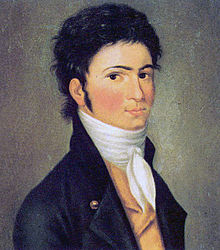
Ludwig van Beethoven’s first task after he had arrived in Vienna was to establish himself as a pianist and composer. And we know that this is something he achieved both rapidly and with remarkable success. For one, Beethoven had strong
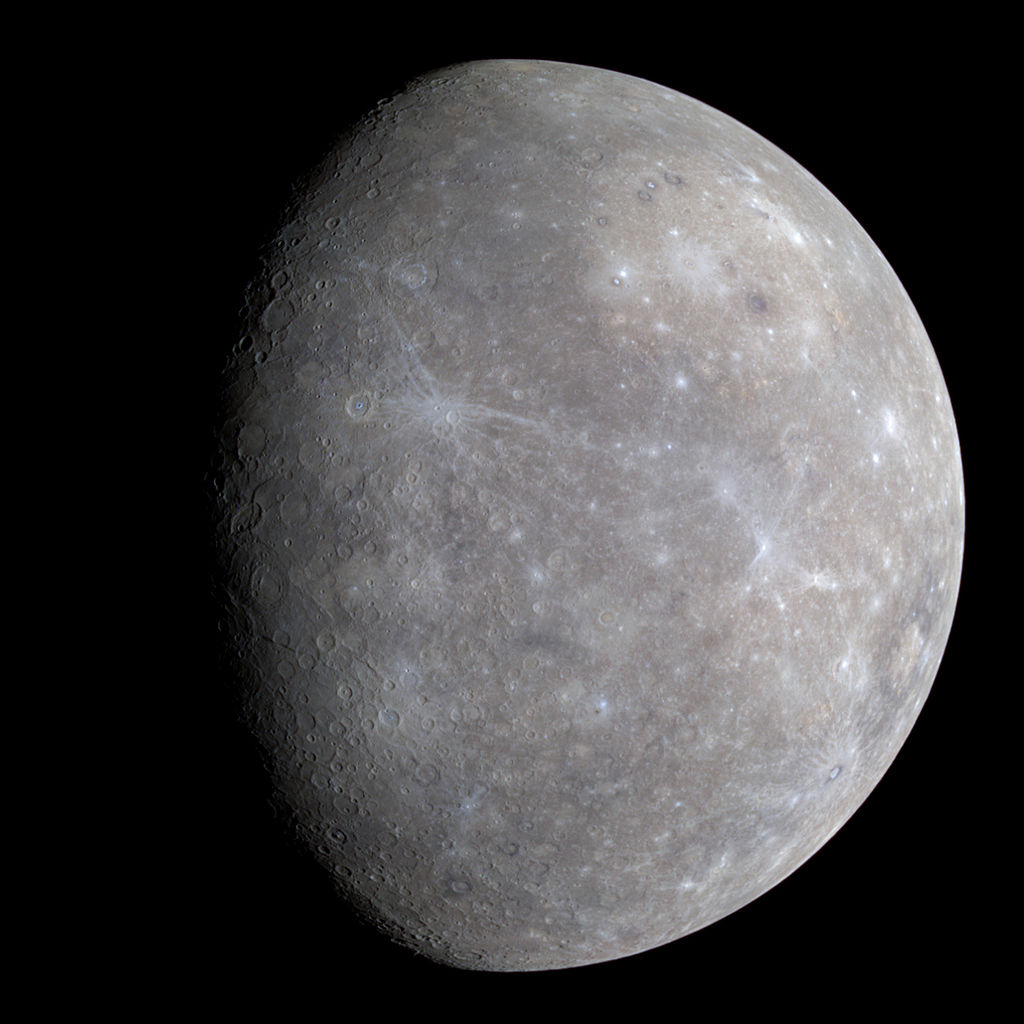
The planet Mercury has just under 400 craters. The wonderful part is that most of them are named for famous people in the arts: writers, artists and composers. The rule for inclusion is that “all new craters must be named