
In all my years of learning the piano and going to the opera as a young student, I never came across Jean-Philippe Rameau‘s music. This seems surprising, since Rameau made important contributions to keyboard music, and his collection of solo
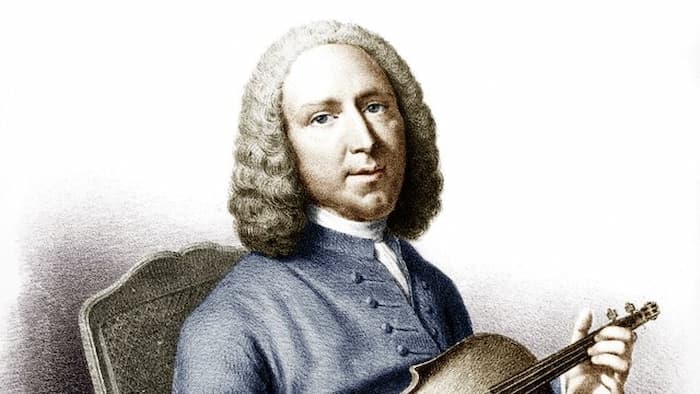
Rameau

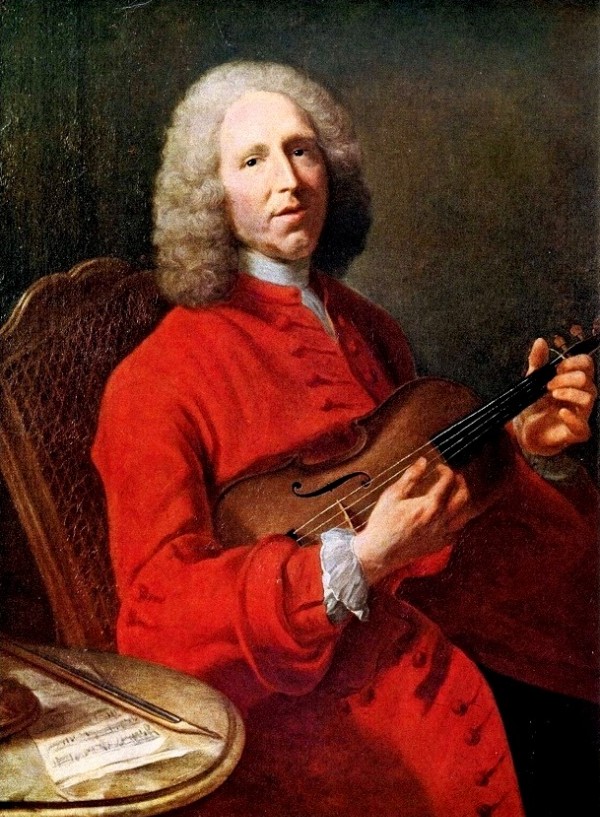
In 1912, Claude Debussy bowed reverently to a long-forgotten predecessor: “Rameau is, whether we want to admit it or not, one of the most solid foundations of music, and one can advance without fear on the beautiful path he traced.”
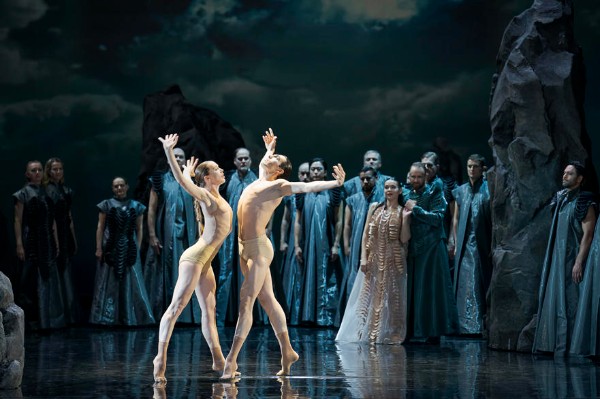
Jean-Philippe Rameau’s Castor et Pollux, generally regarded as one of his finest works, is staged with some frequency. For a fully staged opera production in 2026, however, you would have to visit two mid-scale European opera houses, the Grand Théâtre
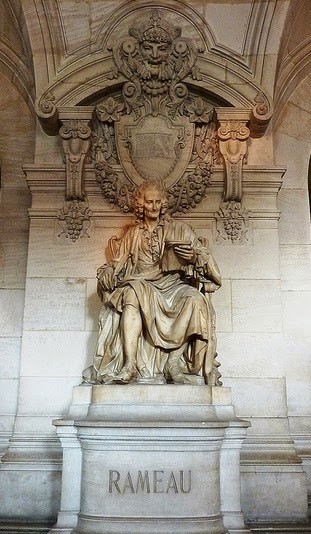
In the heart of Dijon, France, on 25 September 1683, a boy named Jean-Philippe Rameau was born into a world that was not yet ready for the revolutionary sounds he would one day unleash. The son of a local organist,
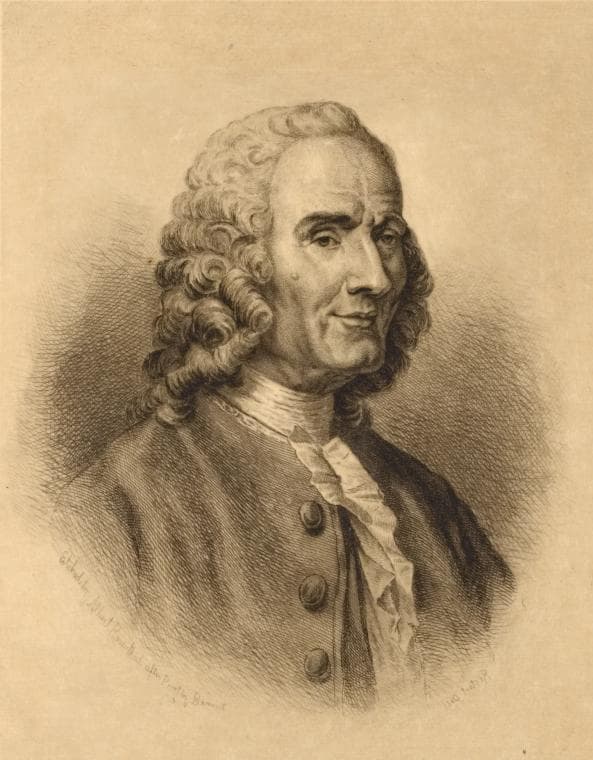
Jean-Philippe Rameau, born in Dijon and baptised on 25 September 1683, was France’s leading 18th-century composer. In his lifetime, however, he was primarily known as a music theorist. His 1722 Treatise on Harmony, establishing the development of a fundamental bass,
When one door closes, another opens, and so it was for Rameau. Shortly after his opera Dardanus was given its premiere at the Opèra, Rameau quarrelled with the management of the theatre and so from 1740 to 1744, he wrote
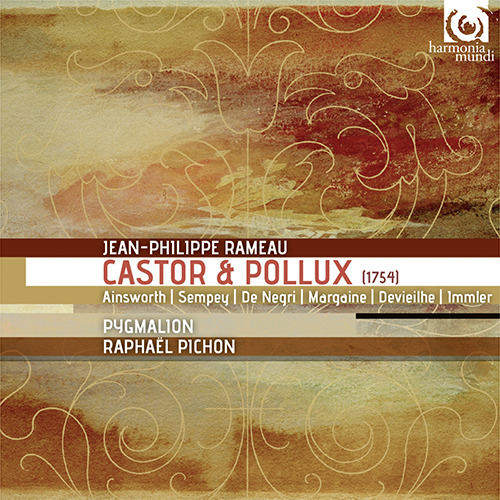
Castor et Pollux, Acte I, Scène 5: “Chantons l’éclatante victoire” (Choeur de Spartiates) From Rameau – Castor et Pollux (2015) Released by Harmonia Mundi Rameau: Castor et Pollux, Acte I, Scène 5: “Chantons l’éclatante victoire” (Choeur de Spartiates)At the height