
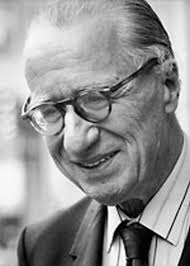
Jean Françaix (1912-1997) was a prodigious musical talent. He received his first lessons in harmony and counterpoint from Nadia Boulanger at the age of 10! Maurice Ravel was mightily impressed, and wrote to Jean’s father, “Among the child’s gifts I
In essence
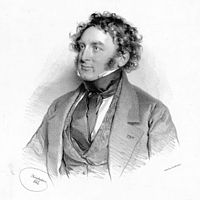
He was a forger, bigamist, and womanizer whom Fétis called “as distinguished an artist as he was a miserable man.” His name was Nicolas-Charles Bochsa (1789-1856), and we must count him among the greatest harpists of the 19th century. Born
The 19th century saw the emergence of a new kind of democratic society, and musical life began to center on the public concert hall. Whereas previously the musician had functioned under a system of aristocratic patronage, they now were supported
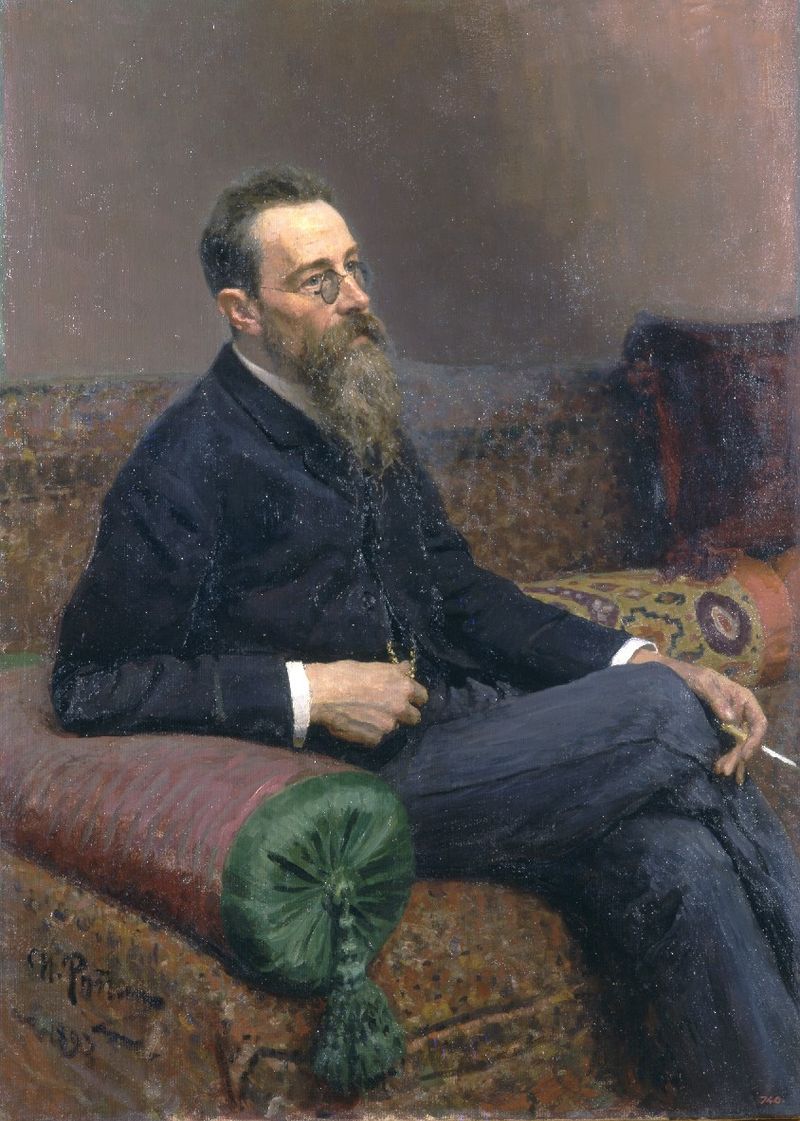
The Russian composer Nikolai Rimsky-Korsakov (1844-1908) was unusual in that he combined his music career with his professional career in the Russian Navy, first as an officer in the Navy and then as inspector of the Naval Bands. His musical
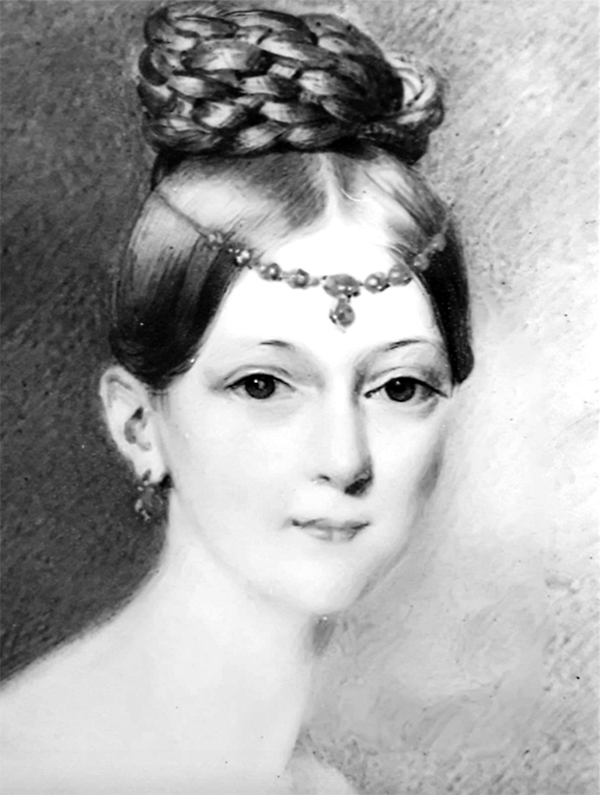
“Harmony cannot fail to rule over their household.” On 19 April 1833 the musical magazine Bohemia published the following review of pianist Josephine Eder (1815-1868): “She treats the light and difficult parts with the same certainty, combines taste and delicacy,
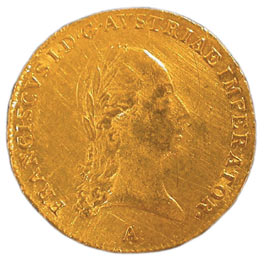
For much of his career and life, Beethoven was struggling financially. He would on occasion make a shedload of money, which he tended to invest in bank shares. However, the severe depreciation of the Austrian currency as a result of

What does Spring mean to you – a season of soft breezes? A season of soft mud? The return of the birds? The return of liquid water? The return of the green trees? Flowers pushing up through the snow? Or
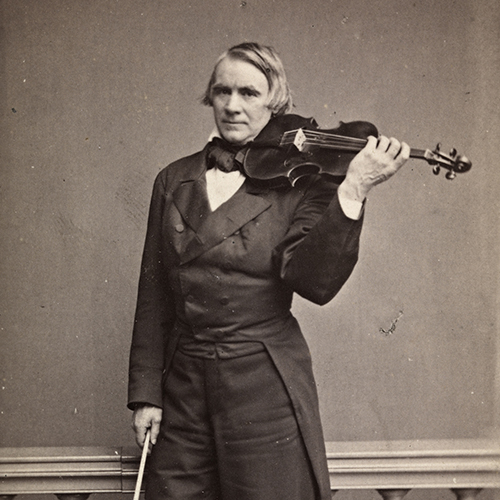
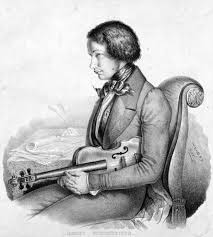
If we can trust Robert Schumann’s assessment, the Norwegian violin virtuoso Ole Bull (1810-1880) was an “equal to Paganini for the speed and the clarity of his playing.” However, Bull’s path to fame and fortune was not an easy one.