
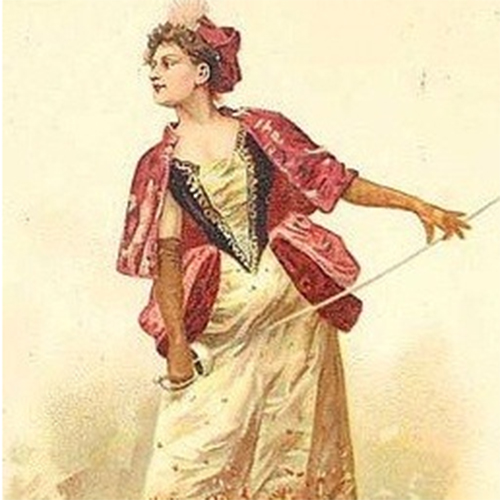
When Julie d’Aubigny, born around 1673, first started her singing career at the Marseille Opéra, she quickly fell in love with a young woman. As you might well imagine, the girl’s family was not particularly amused and shipped their daughter
In essence
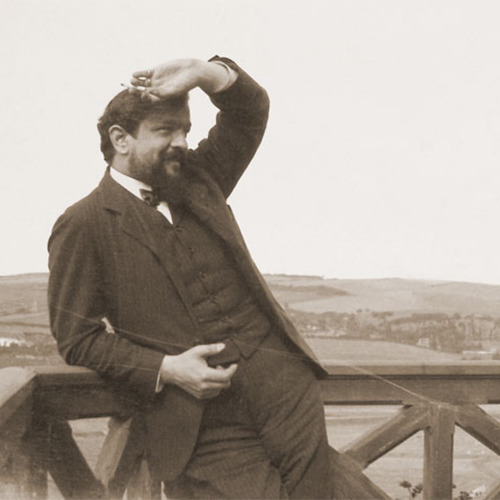
After writing two sets of Images for piano, it seems that a third set was called for, but this time Debussy orchestrated it, and in doing so, broadened the timbre of his palate. The first Image, Gigues, originally had the

“Minors of the Majors” invites you to discover compositions by the great classical composers that for one reason or another have not reached the musical mainstream. Please enjoy, and keep listening!
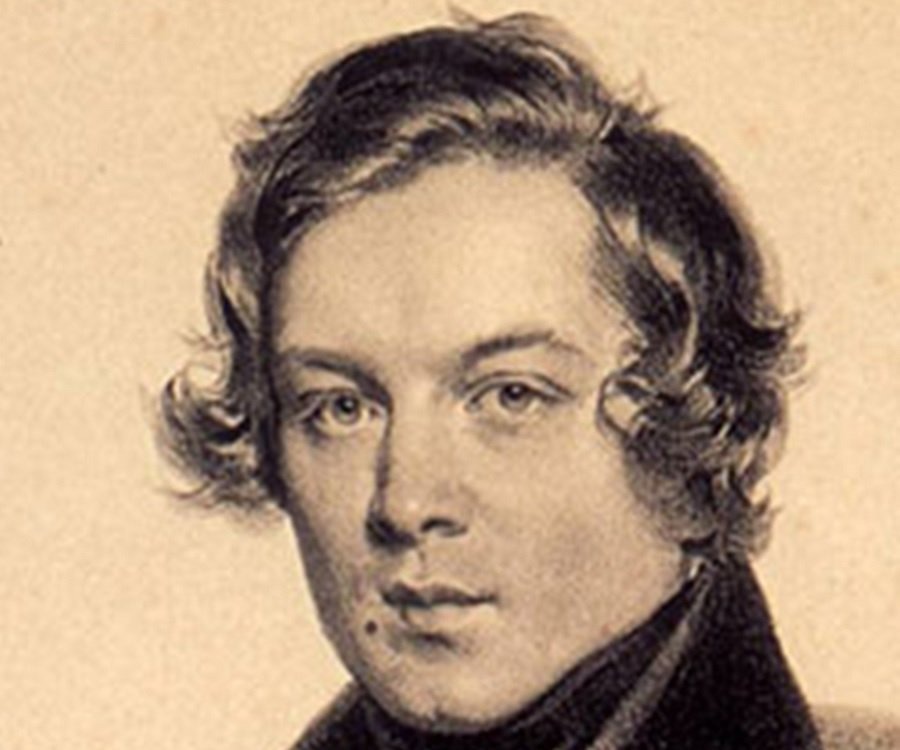
In the summer of 1830, the 20-year-old Robert Schumann abruptly ended his law studies at Heidelberg University and decided to become a musician. His mother arranged a musical apprenticeship with Friedrich Wieck in Leipzig, and the 11-year-old Clara Wieck writes
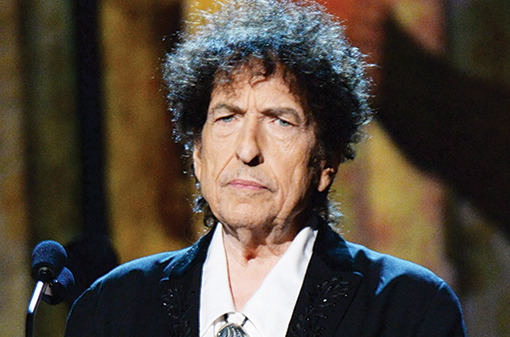
When the Nobel Prize for Literature was given out in 2016, music to everyone’s surprise, it went to a writer who was not only known all over the world but also was given to someone for whom almost everyone probably
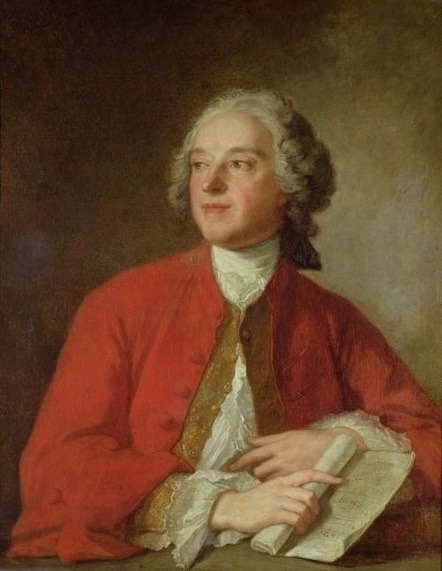
In Rossini’s The Barber of Seville, we are introduced to the ever-enterprising Figaro. He solves Count Almaviva’s courting problem with Rosina by thwarting her guardian’s marriage intentions. Count Almaviva and Rosina appear again with Figaro in The Marriage of Figaro,

Working on tape-based techniques of looping and phasing by using recordings of fragments of speech, Steve Reich created a compositional process involving structures of minimalist art and musical technique. Simultaneously, Beryl Korot was working along very similar lines in the
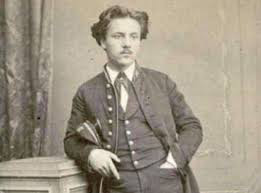
“Minors of the Majors” invites you to discover compositions by the great classical composers that for one reason or another have not reached the musical mainstream. Please enjoy, and keep listening!