
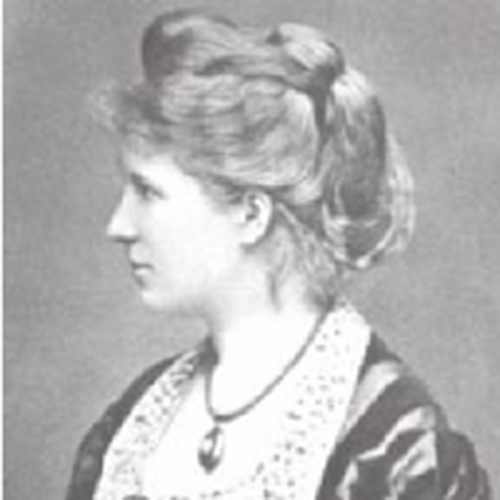
Elisabeth von Stockhausen was born in Paris in 1847. Her father served as the Hanoverian ambassador, and had been a student of Chopin. In 1853 the family moved to Vienna, and Elisabeth took lessons from Julius Epstein, at that time
In essence
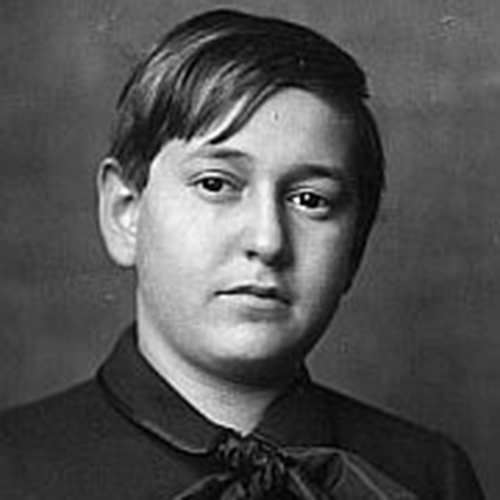
After the rousing success of his opera Die tote Stadt, Erich Wolfgang Korngold was at the height of his European fame. With a libretto by his father Julius—penned under the name of Paul Schott—the opera dominated theatrical stages and became
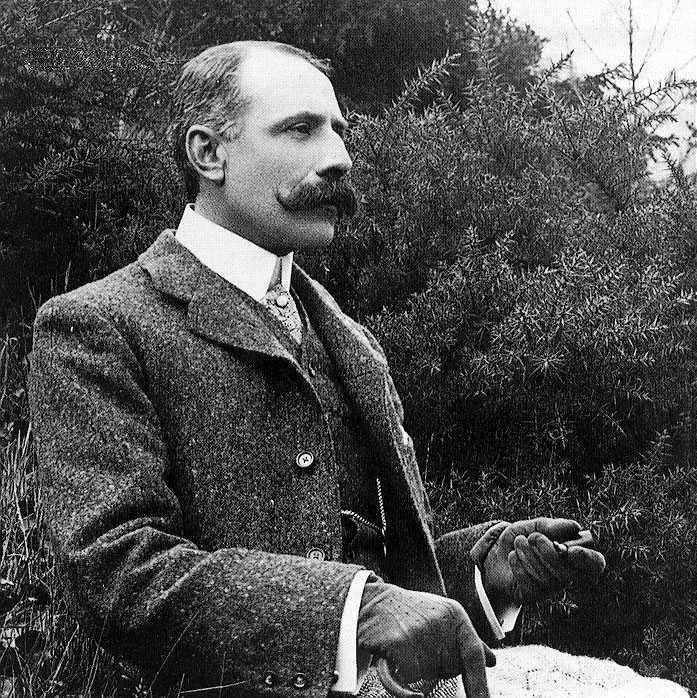
You don’t often think of Edward Elgar and Richard Strauss in the same way, but they were connected through the idea of the symphonic poem. Strauss’ symphonic poems such as Till Eulenspiegel and Don Quixote are well known but Elgar’s
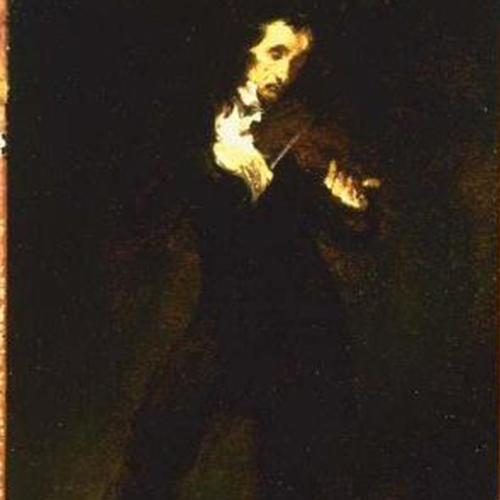
Niccolò Paganini (1782-1840) almost single-handedly established a new brand of performing musician, the touring virtuoso. In a brilliant strategy of self-promotion, he even circulated the rumor that he had sold his soul to the devil in exchange for his uncanny
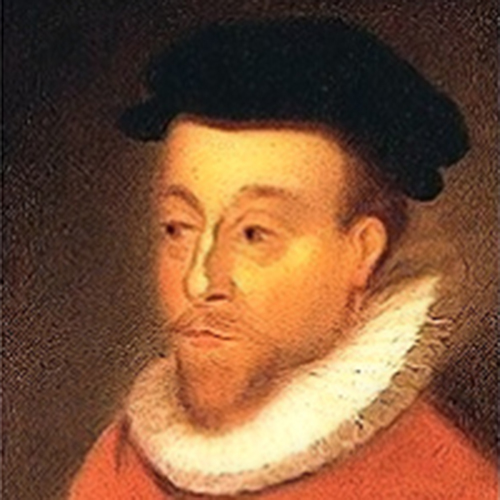
Orlando Gibbons (1572-1625) was born in Oxford, son of a town wait—essentially a town musician whose duties included playing his instrument for the townsfolk, welcoming Royal visitors, and leading processions on civic occasions. William Gibbons moved back and forth between
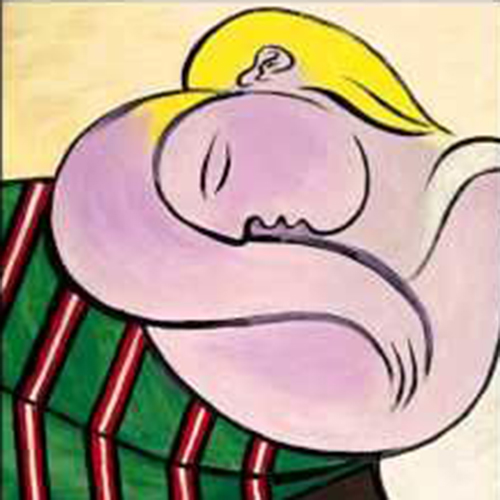
The lullaby, a gentle song intended for lulling young and/or ailing children to sleep originated in various folk repertories. It easily crossed into art music not only as a song but also as a short instrumental piece, frequently scored for
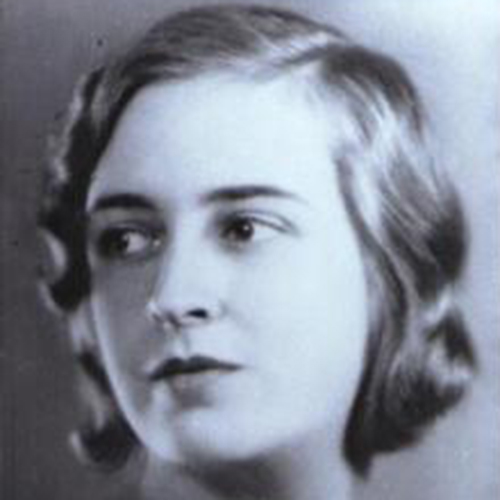
Luise von Sonnenthal (1900-1962) was born into a dynasty of ennobled actors. Her grandfather Adolf Ritter von Sonnenthal was not only Vienna’s most popular classical actor and matinee idol at the Burgtheater, he was also one of the first Jewish
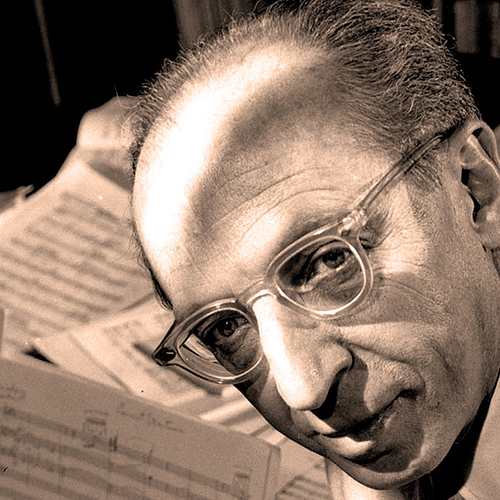
Aaron Copland, son of Polish and Lithuanian emigrants, was born in Brooklyn in 1900 and by the time he was 24, his compositions were already gaining interest. He was Nadia Boulanger’s first American pupil in Paris, laying the groundwork for