
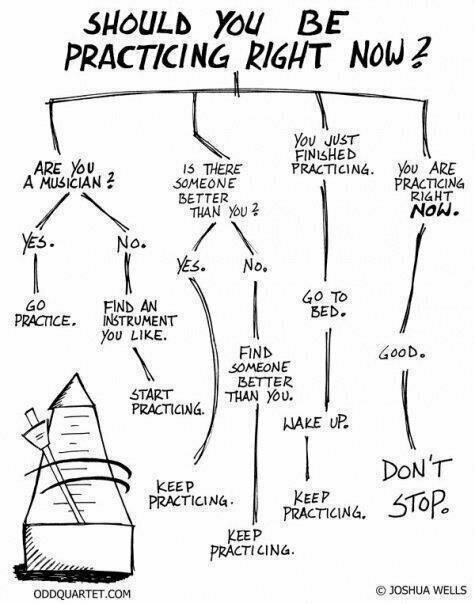
Practising is a habit. If we are serious about our music, our progress with our repertoire and our technical and artistic development, we need to establish good and regular practising habits, as regular as cleaning one’s teeth. No one, not
Articles
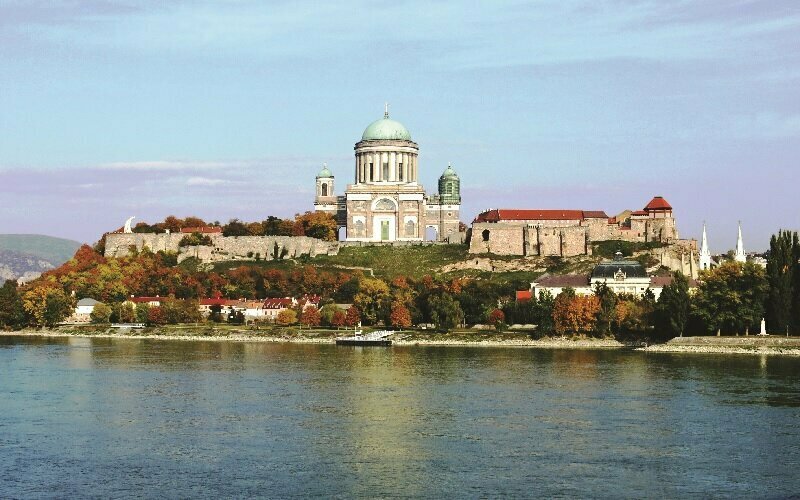
Picturesquely located on the banks of the Danube River, the ecclesiastic basilica at Esztergom is Hungary’s largest church. Stephen I of Hungary erected the foundation of the present building between 1001 and 1010. Various fires and destructions by foreign powers
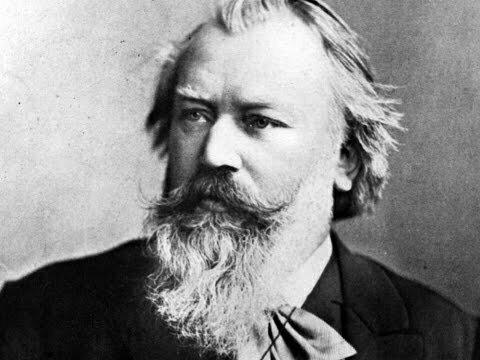
The accepted notion is that age confers a spirit of reconciliation and serenity on late works– Edward Said, ‘On Late Style’ What is ‘Late Style’? It’s a question that has preoccupied writers and thinkers, from Theodor Adorno, who coined the
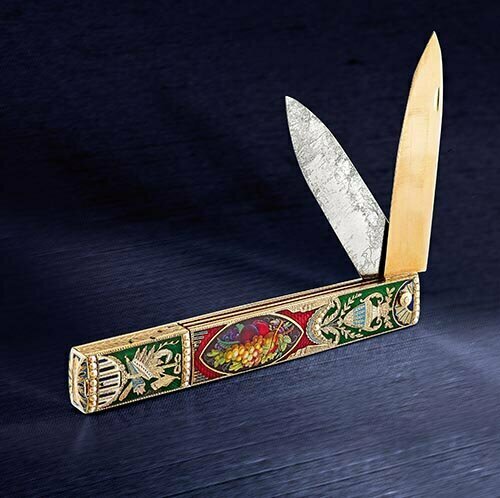
I trust you have previously enjoyed reading about the “Musical Bed” and the “Musical Bike”. Now, here comes a real musical curiosity in the form of a double-bladed musical knife! It is a rare treasure indeed, as only three of
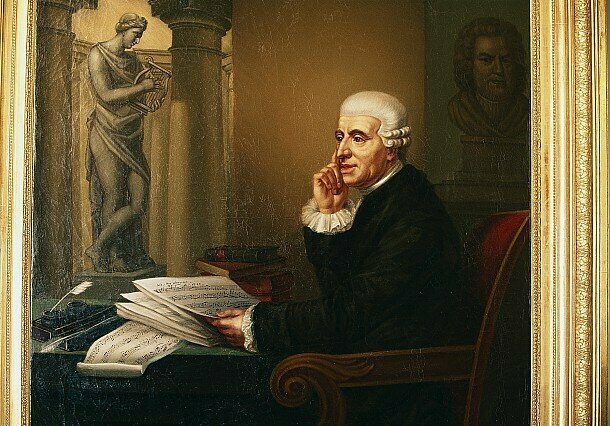
Visitations by foreign heads of state can be rather lavish affairs. And that was certainly the case when Archduke Ferdinand and Maria Beatrice d’Este, alongside a retinue of well over one hundred servants, visited the former hunting lodge of Prince
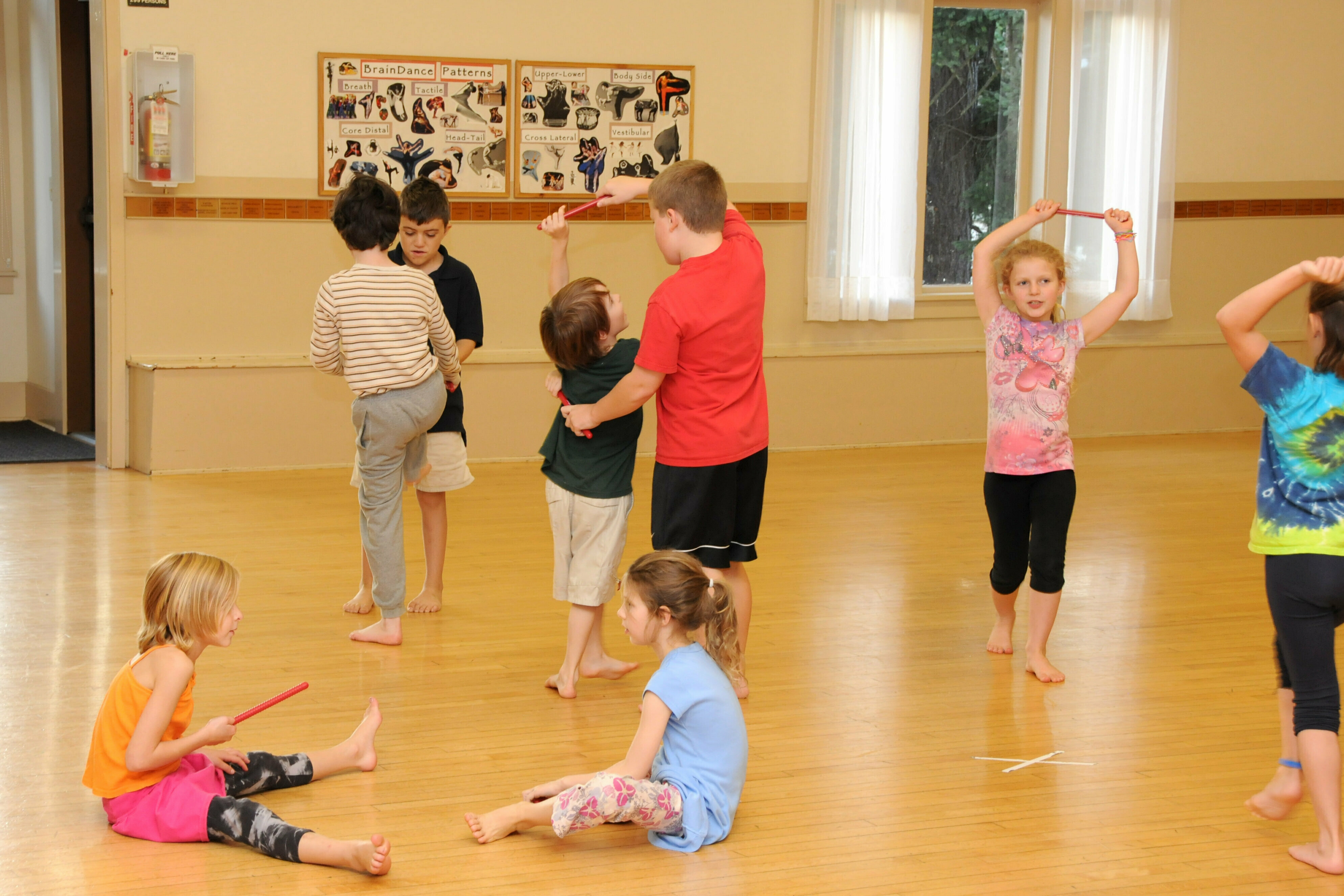
Music and dance are far from idle pastimes. They are universal forms of expression and deeply rewarding activities that fulfil diverse social functions. Both feature in all the world’s cultures and throughout history. A common feature of music and dance
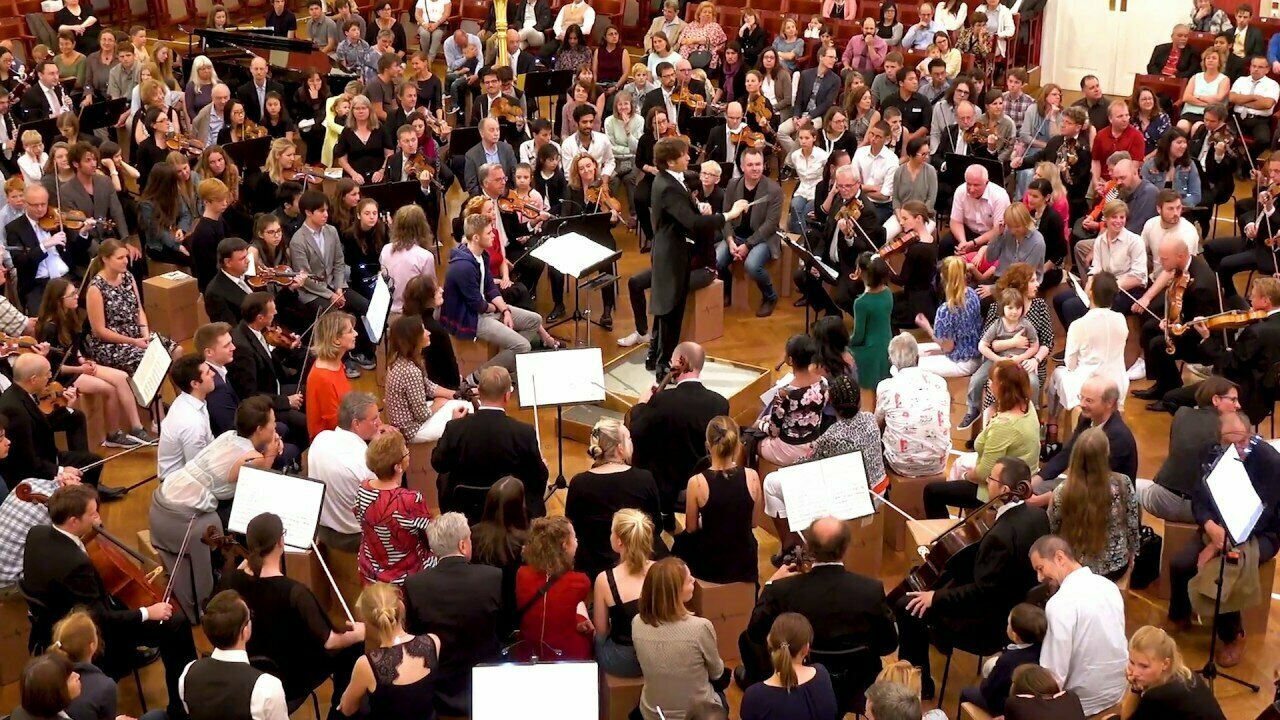
The name ‘Im Klang’ says it all. The audience is seated ‘in the middle of the sound’. The players of the Wiener Symphoniker take leave of their traditional places on the concert platform and spread themselves widely throughout the empty
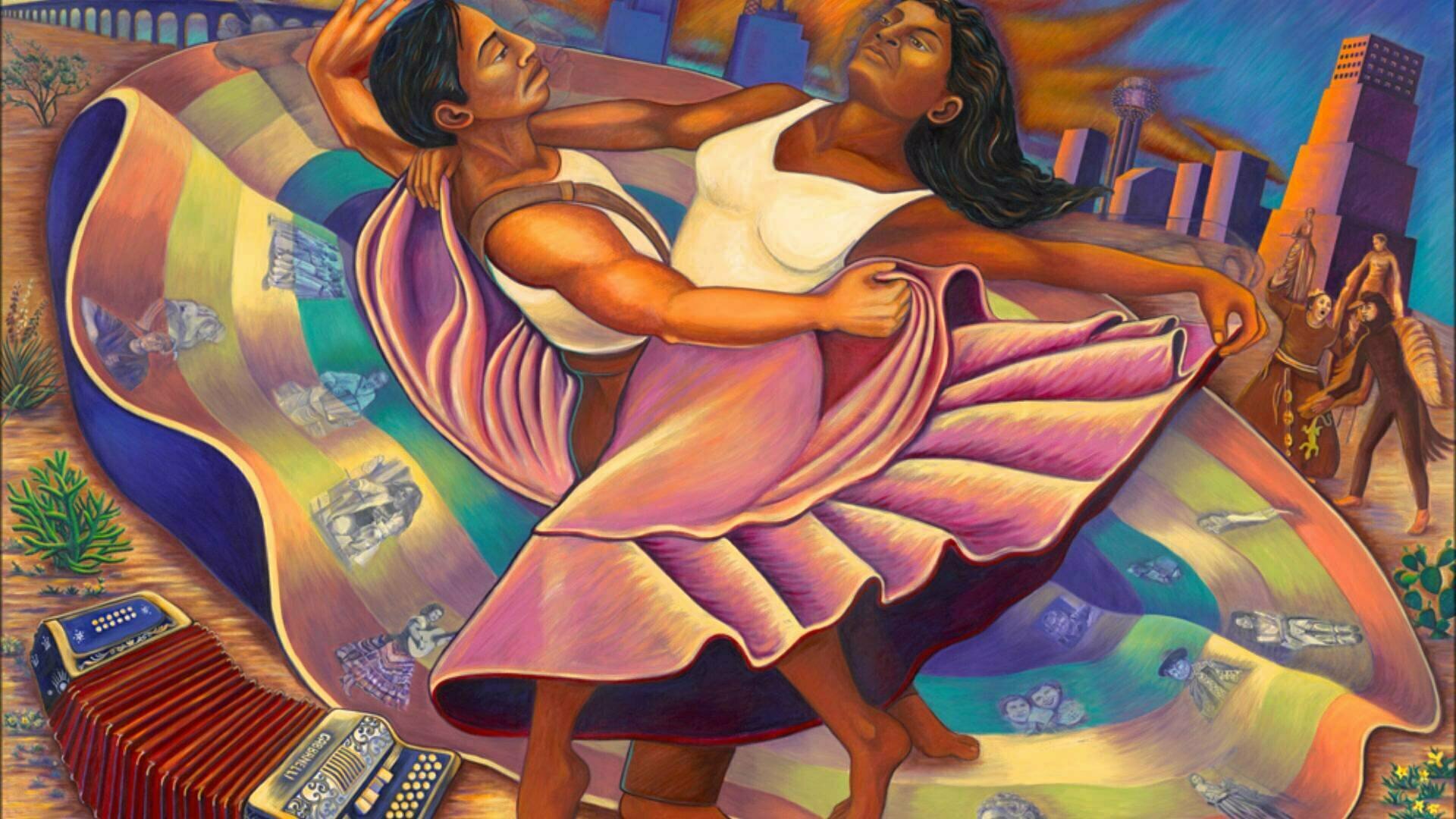
An old proverb states, “Traveling leaves you speechless, and then turns you into a storyteller. And that’s what happened to Aaron Copland after his first visit to Mexico City in 1932. His friend Carlos Chávez took him to a colorful