
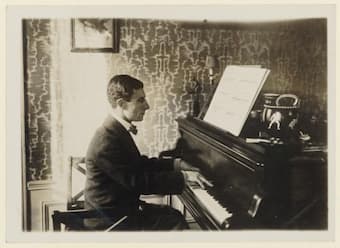
On 21 September 1927, Anton Webern penned an extended letter to Maurice Ravel. “Although we have never met, I write on behalf of my mentor Arnold Schoenberg to express his thanks for all your efforts to facilitate his upcoming appearance
Articles
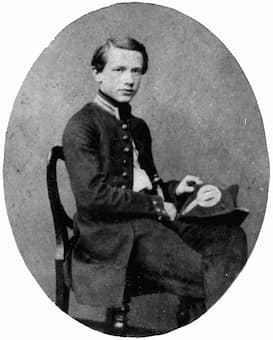
Pyotr Ilyich Tchaikovsky, born on 7 May 1840 deep within the Ural Mountains roughly 600 miles east of Moscow, had Ukrainian, German, and French ancestry. His father Ilya Petrovitch Tchaikovsky, a mining engineer and manager of an iron works, traced
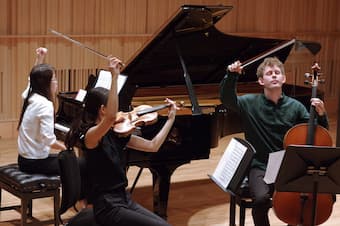
In November this year, six selected young ensembles will be invited to Birmingham to take part in our International Piano Chamber Music Festival. All six will give a recital as part of the Festival programme and take part in masterclasses,
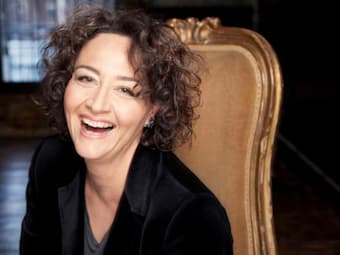
Nathalie Stutzmann, born 6 May 1965 in Suresnes, France, was the first female conductor named principal guest conductor of the Philadelphia Orchestra in December 2020. One year later, she was appointed the music director of the Atlanta Symphony Orchestra with

In 1999, BBC Radio 3 launched their “New Generation Artists Scheme” as part of its commitment to young musical talent. Each autumn six or seven young artist at the beginning of careers on the national and international music scene join
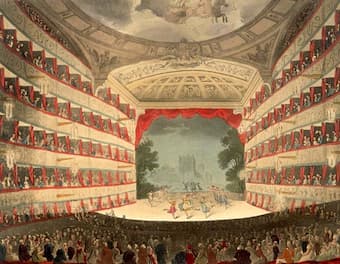
Although Joseph Haydn had a wicked sense of humour, he musically never left anything to chance. When he accepted commissions away from his working place at Eszterháza, he conducted extensive research about the performers, the concert hall, and related matters
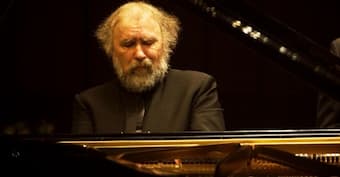
Romanian pianist Radu Lupu, who died in April 2022 at the age of 76, shot to prominence when he won a trio of highly prestigious international piano competitions – the Van Cliburn in Texas in 1966, the George Enescu International

Multicultural Folk Music Traditions From Various Places With all this talk of a globalized society it is easy to forget that we are surrounded by the timeless beauty and grace of countless multicultural folk music traditions. That rich ethnic heritage