
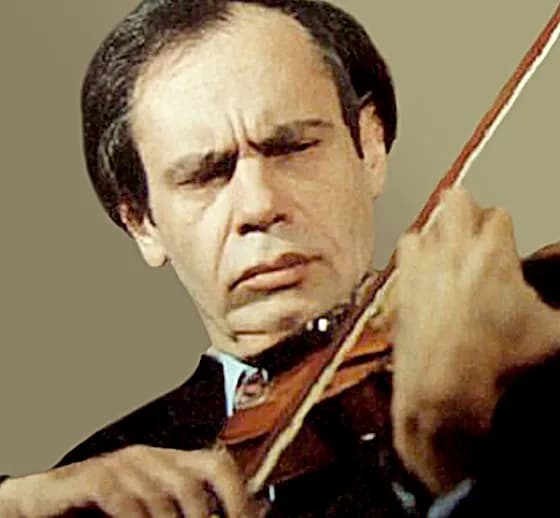
Leonid Kogan, born on 14 November 1924 in the Ukrainian city of Dnepropetrovsk, is considered one of the foremost Soviet violinists in the 20th century. Somewhat in the shadow of his compatriot David Oistrakh, Kogan’s playing is characterised by pure
On This Day
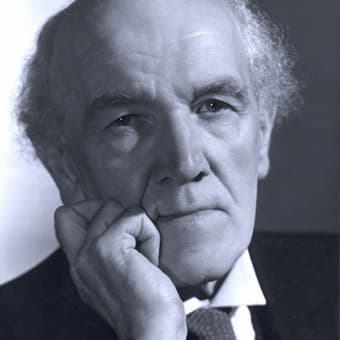
Nicolai Medtner, who died in London on 13 November 1951, was one of the very last Romantic composer-pianists. Overshadowed by his contemporaries Scriabin and Rachmaninoff, Medtner made the piano the focus of his creative activity and frequently tempered a Russian
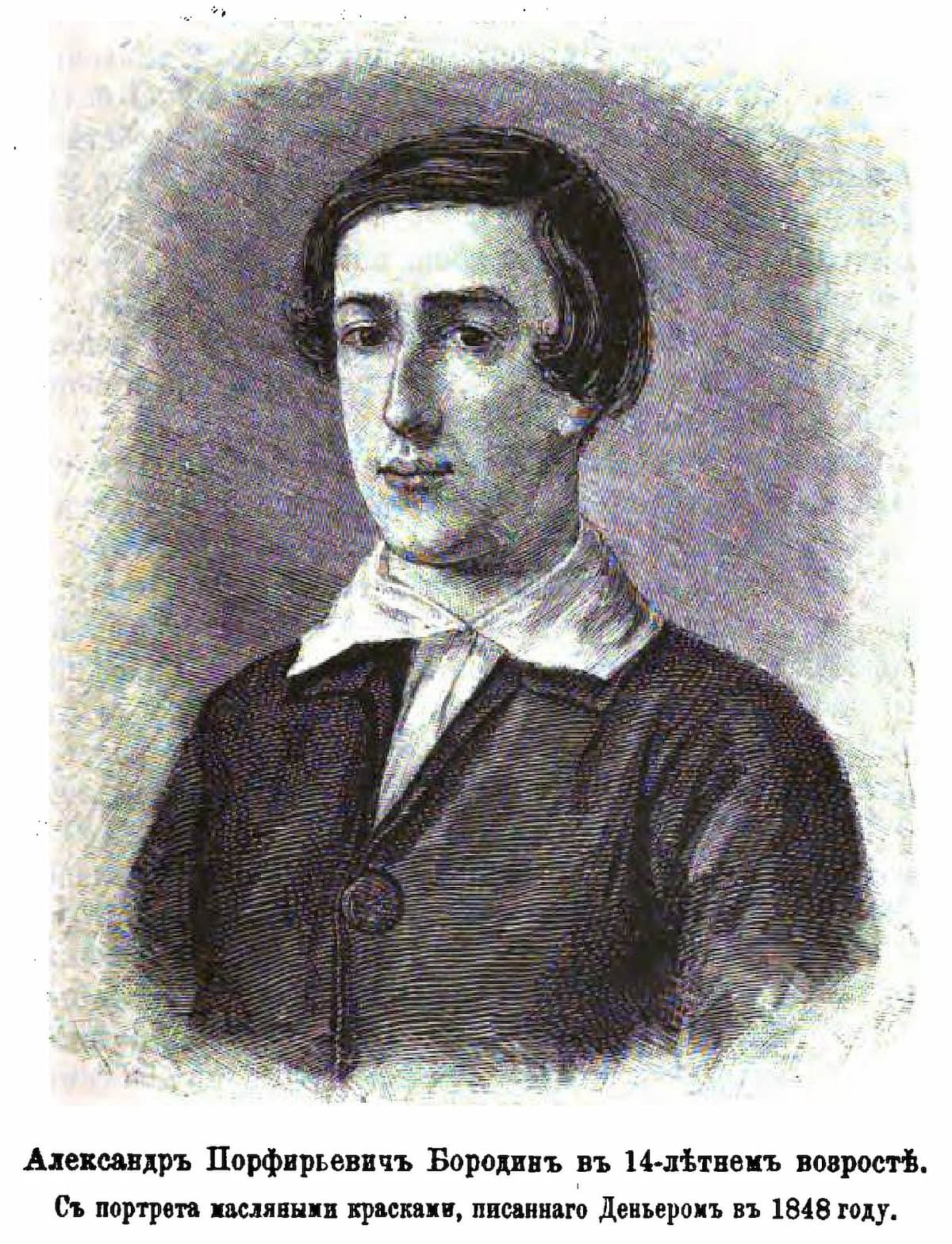
Alexander Borodin, born on 12 November 1833 in St. Petersburg, came from a noble bloodline. He was the illegitimate son of the 62-year-old Georgian Prince Luka Stepanovich Gedevanishvili, and a 25-year-old Russian woman, Evdokia Konstantinovna Antonova. As was customary at
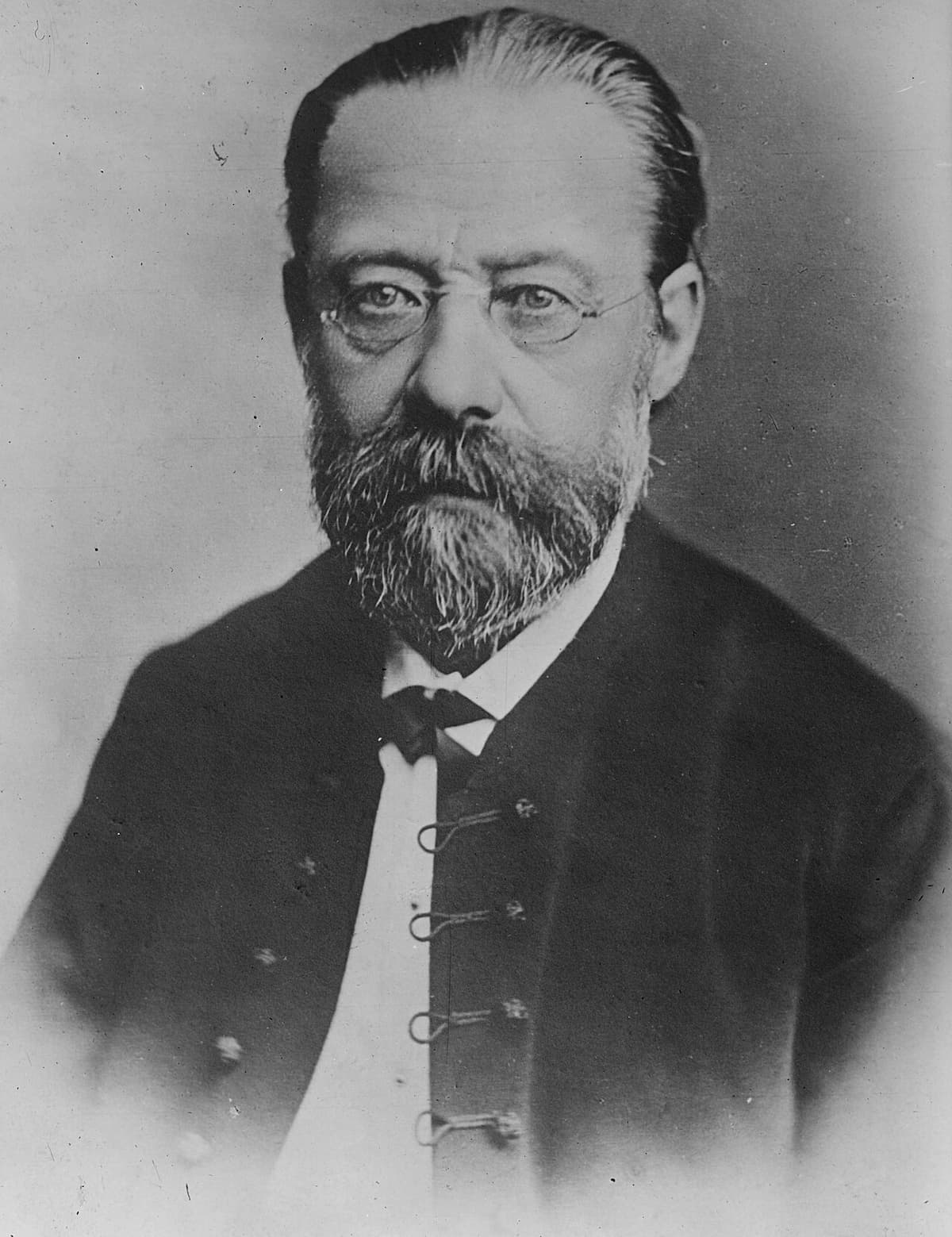
The Provisional Theatre in Prague opened in 1862 as a temporary home for Czech drama and opera until a permanent National Theatre could be built. This venerable institution staged well over 5,000 performances over a 20 year span, and featured

François-Xavier Roth is one of today’s most versatile and imaginative conductors. Comfortably at home in Baroque and Classical music, he is also an expert in the Romantic core repertoire and a champion of contemporary music. A born communicator, Roth is
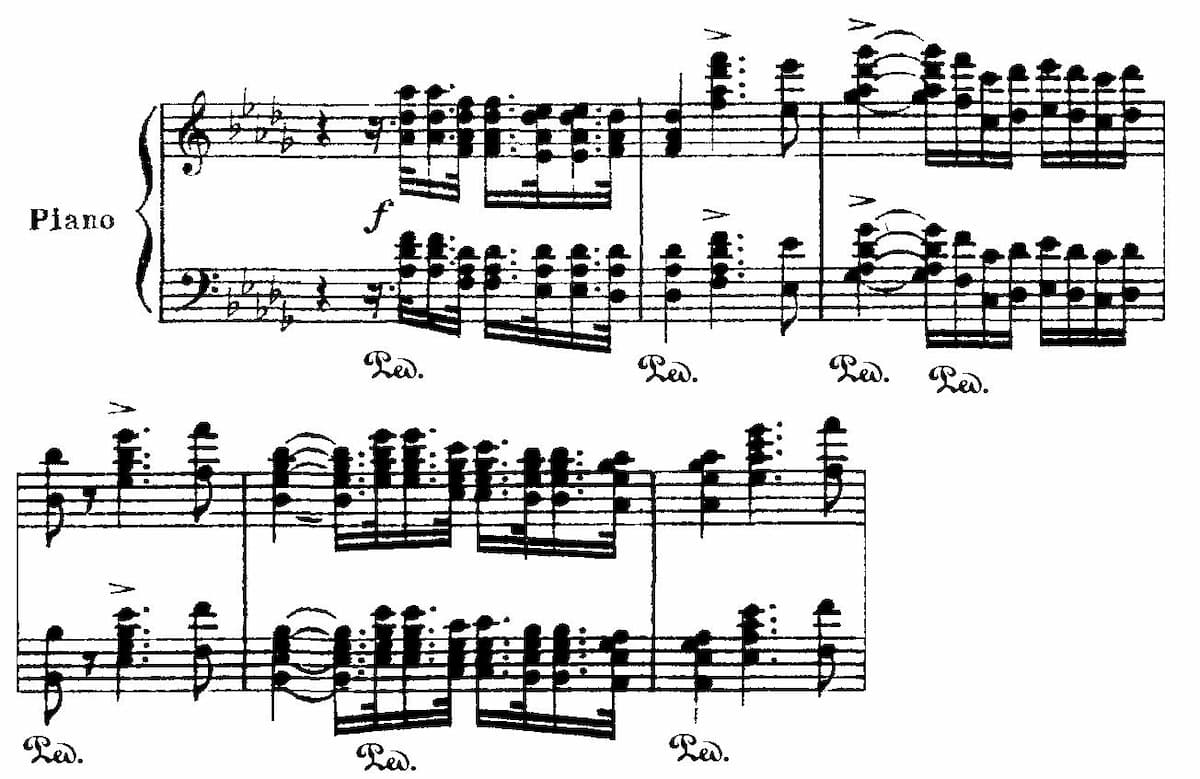
Pianist Hans von Bülow was called upon on 25 October 1875 to play the first performance of Tchaikovsky’s Piano Concerto No. 1 at the Music Hall in Boston. Tchaikovsky wrote to Bülow, “Thank you for the sympathetic attention you have
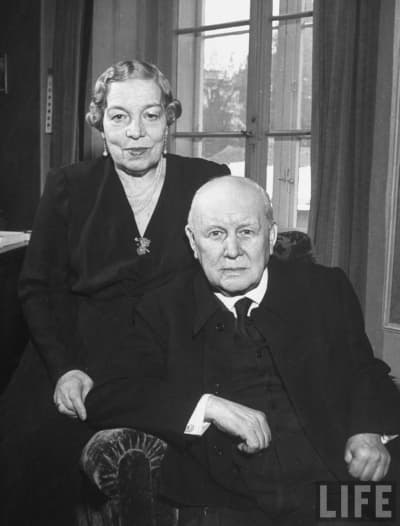
With his operetta The Merry Widow, the Austro-Hungarian composer Franz Lehár crafted one of the most popular and enduring works in the genre. In fact, it was the favourite work of Adolf Hitler, who called it “equal to the best
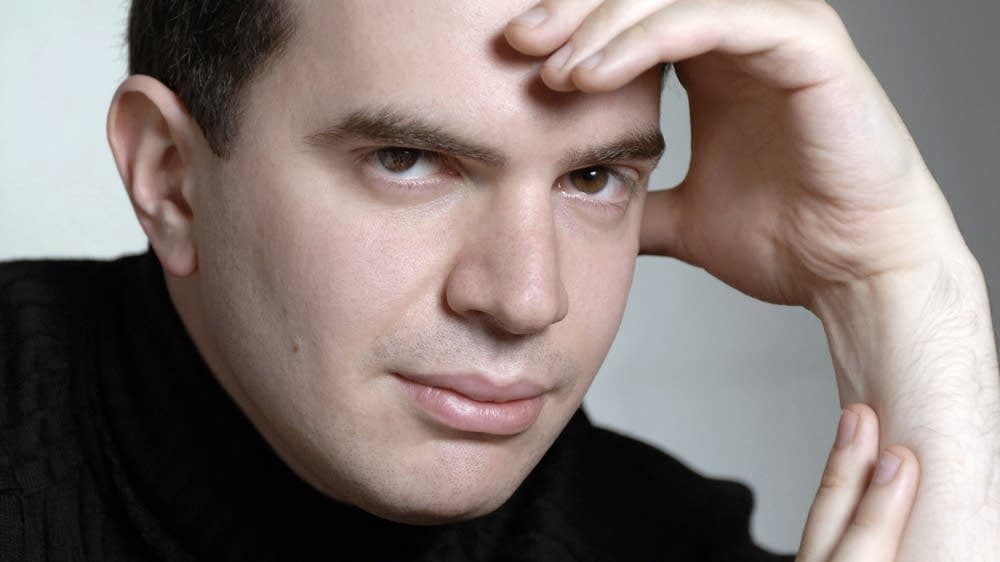
Pianist Kirill Gerstein was the youngest student ever to enter the Berklee College of Music in Boston at the age of 14. Several decades later, he is considered one of the most distinguished classical artists of his generation, engaging in