
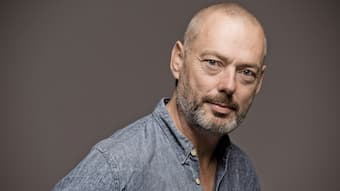
Tenor Mark Padmore, born in London on 8 March 1961, came of age singing in choirs oriented toward Renaissance and Baroque music, and as a soloist he specialized in Baroque opera and choral music. Padmore grew up in Canterbury, and
On This Day
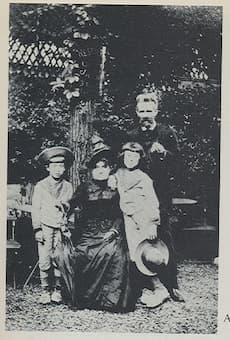
Maurice Ravel was born on 7 March 1875 in the Basque town Ciboure, Basses-Pyrénées located in France, situated close to the Spanish border near Biarritz. It was the village where his Basque mother, Marie Ravel, née Delouart, was born and
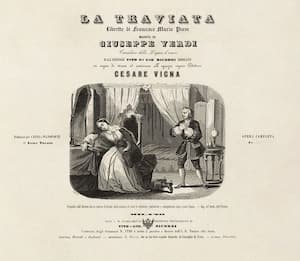
Marie Duplessis (1824-1847) was one of the most famous and sought-after French courtesans of her time. Born on 15 January 1824, her father wasn’t a particularly pleasant man, and early on sold his daughter to a variety of men. It
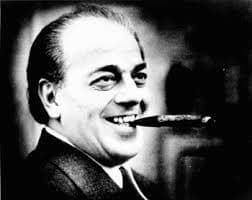
Heitor Villa-Lobos (1887-1959) has been described as “the single most significant creative figure in 20th century Brazilian art music.” His quest to develop musical compositions using indigenous Brazilian elements fueled a number of ethno-musicological excursions into the northeastern states of
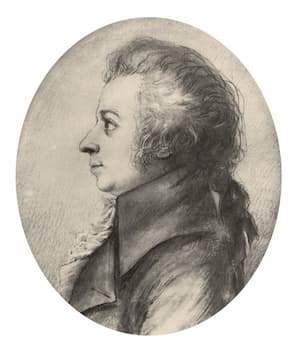
Wolfgang Amadeus Mozart completed his final piano concerto in January of 1791, shortly before his thirty-fifth birthday. Mozart could hardly have known that K. 595 was going to be his last piano concerto, and that 1791 was going to be

During his first visit to Britain in 1829, Felix Mendelssohn participated in a series of highly successful performances in London. During his London stay, Mendelssohn was in the care of his close lifelong friend Carl Klingemann. Klingemann was eleven years
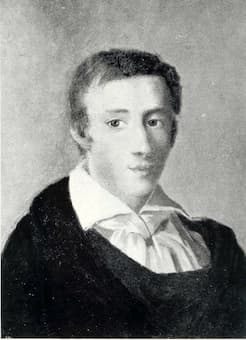
In my opinion, Frédéric Chopin was one of the greatest pianists the world has ever known. One of his students writes, “Chopin’s playing was always noble and beautiful; his tones sang, whether in full forte or softest piano…He demanded the

A critic wrote, “It is simply not possible to listen to Patricia Petibon—born on 27 February—without gasping with admiration at her versatility, flexibility, musicality, virtuosity and sheer force of personality… Petibon has the ability to make Baroque music so much