
Composers are well-known for spending most of their time in solitude, in the quietness of a room, in front of a desk or an instrument. They are often the loners of music. But is composing always a one-person job? Are
Blogs

16 December 2020: Schubert This concert will be live streamed on the Wigmore Hall website in HD, and all concerts in the Autumn Series will be available on demand for 30 days after the date of the concert. This generous
9 December 2020: Haydn and Beethoven This concert will be live streamed on the Wigmore Hall website in HD, and all concerts in the Autumn Series will be available on demand for 30 days after the date of the concert.
7 December 2020: Mozart, Britten This concert will be live streamed on the Wigmore Hall website in HD, and all concerts in the Autumn Series will be available on demand for 30 days after the date of the concert. This
Unlike others, I often find it difficult to recall my first encounter with a certain composer. So, for Beethoven, it could have been his Für Elise, Symphony No.5 (ta-ta-ta duh) or something else – I don’t know. But anyways, as
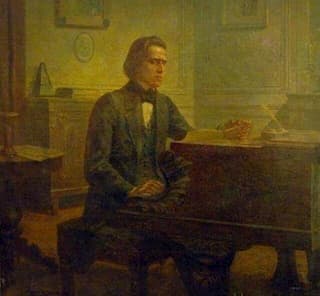
Chopin was inspired by the antics of a small dog chasing its tail to write his Waltz No. 6 in D-Flat Major, Op. 64, No. 1. His publisher, Breitkopf & Härtel, added a title on it to let people know
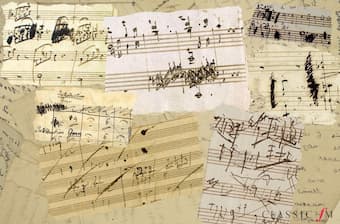
The saying goes this way, quality over quantity. But what if the saying was: quantity creates quality? What if instead of focusing on one or the other, one would lead to the other? In order to grow, a composer —

Composers, especially from the Romantic period onward, have sought to evoke places, real or imagined, in their music – from the awe-inspiring grandeur of the Alps in Liszt‘s Vallée d’Obermann to Debussy‘s shimmering pagodas, the heady sounds, scents and scenes