In 1952, Ruth Slenczynska entered a recording studio to play Bach. The resulting recordings, later reissued on CD by Ivory Classics in 1998, might seem unremarkable in the context of a pianist’s career: a series of solo works by one of music’s most enduring composers. Yet they marked a turning point in the life of a woman who had been a celebrated child prodigy, suffered years of psychological abuse at the hands of her father, and ultimately abandoned her career to escape him.
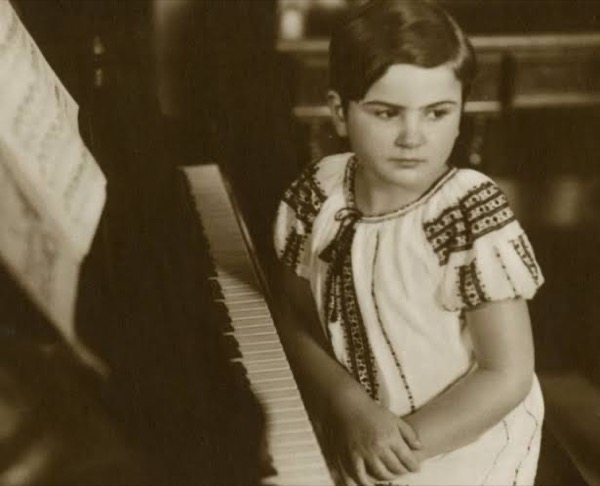
Ruth Slenczynska
Born in California in 1925, Slenczynska displayed exceptional musical ability at an early age. Her father, Josef Slenczynski, was a Polish violinist who had trained in Europe and had ambitions for his daughter that went far beyond ordinary parental encouragement. He recognised her talent and set about developing it with a severity that would leave lasting scars.
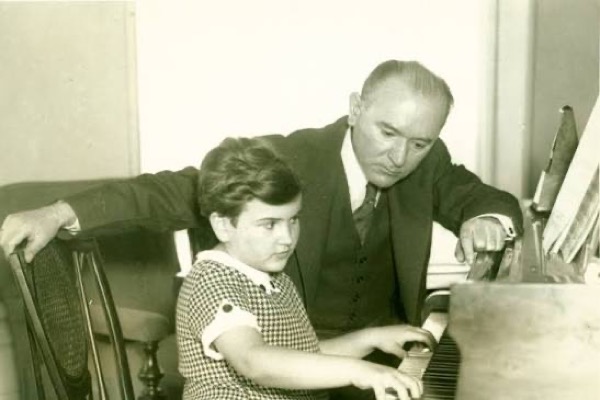
Ruth Slenczynska with her father Josef
Under his supervision, Ruth’s childhood became a regime of relentless practice, reportedly for as many as nine hours a day. She was subjected to extreme pressure and deprived of much of the freedom normally associated with childhood. Her father’s methods were intended to produce excellence, and they did: she became a renowned prodigy, attracting attention for her remarkable technique and musical maturity. But the boundary between nurturing a talent and possessing it had almost disappeared. Josef certainly helped cultivate an extraordinary pianist, but at a terrible cost to the child’s mental health.
A Five Year Old Prodigy (1930)
Among the distinguished musicians with whom young Ruth studied were Josef Hofmann, Artur Schnabel, Egon Petri and Alfred Cortot. She also studied with Sergei Rachmaninoff, who taught her when she was nine and ten years old. She would later be remembered as his last surviving pupil.
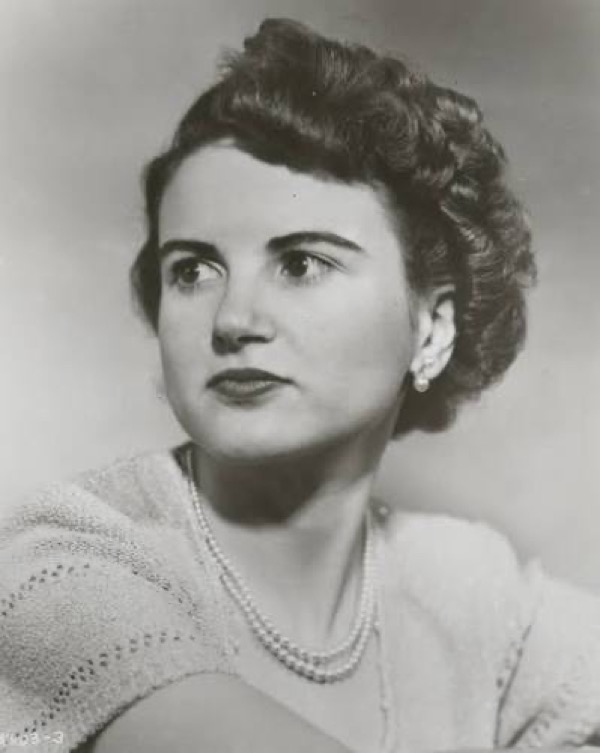
Ruth Slenczynska
“How Great Was Josef Hofmann?” — Ruth Slenczynska describes him!
Ruth Slenczynska talks and plays two Rachmaninoff Preludes (1963)
Aged 15, Slenczynska made a radical decision. Despite her success, she abandoned her career and broke away from her father. Rather than pursuing the path laid out for her, she sought the ordinary experiences that she had been denied. She enrolled at university to study psychology and took various jobs, trying to build a life where her identity wasn’t defined by her ability to play the piano. The decision wasn’t simply a rejection of her father, but also of the role he had constructed for her. The withdrawal lasted for approximately a decade, a significant interruption in the career of someone who had already achieved so much.
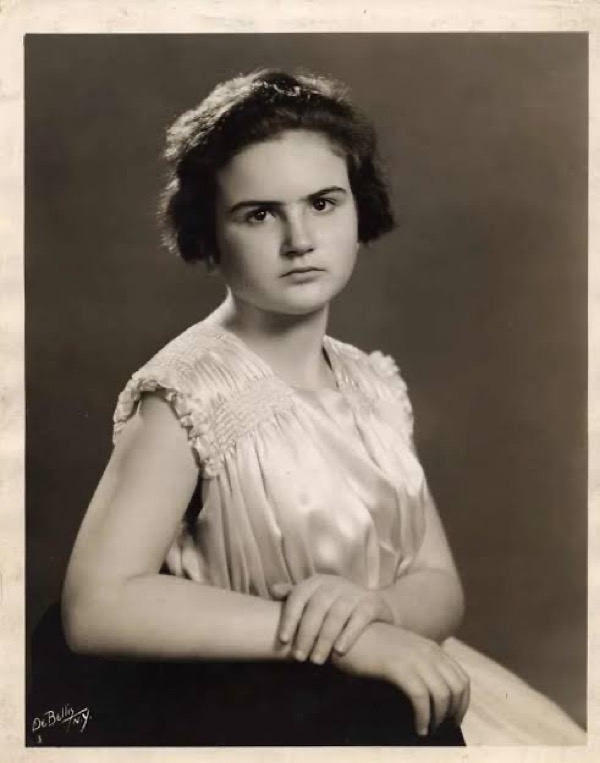
Ruth Slenczynska as a teenager
Only after her father died in 1951 could she begin to consider returning to public performance. But the end of his dominance didn’t automatically resolve the painful associations with the piano: years of fear, exhaustion and emotional distress. To return to it must have required much more than simply recovering her technique.
The 1952 Bach recordings acquire their significance in this context: they represent the moment Slenczynska reclaimed her artistic identity on her own terms. They are also striking for their interpretative freshness and freedom. At a time when Bach was often approached through a more formal, restrained aesthetic, Slenczynska brought a vitality and spontaneity to the music that feel remarkably modern. Her playing combines structural clarity with a natural sense of movement, allowing the music to breathe.
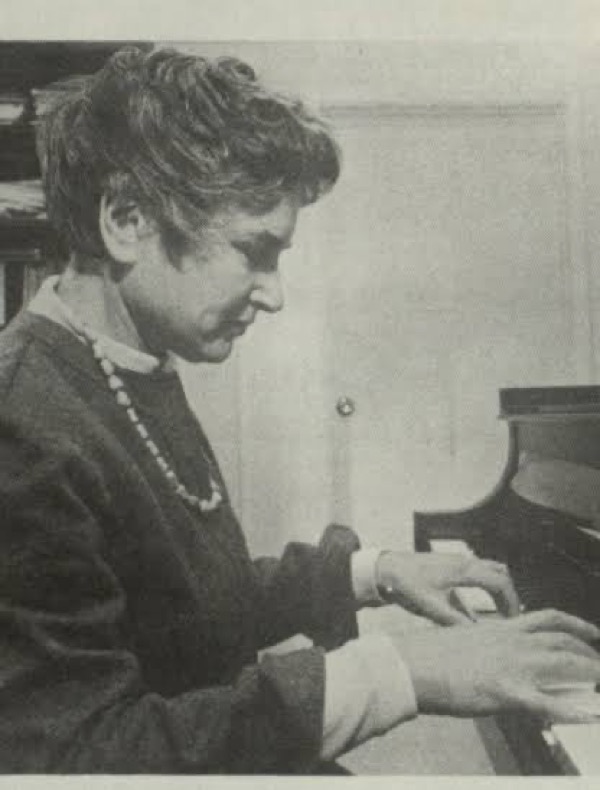
Ruth Slenczynska
Ruth Slenczynska plays Bach: Italian Concerto
It would be too simple to claim that Slenczynska’s performances directly reflect her psychological recovery, or that Bach’s music somehow provided a cure for the damage of her childhood. Nevertheless, the repertoire choice invites reflection. Here was a pianist returning to music after many years, playing a composer whose works demand rigorous focus and precision but can also be approached as an exploration rather than an ordeal. The difference lay in the circumstances: this time, she was playing because she had chosen to.
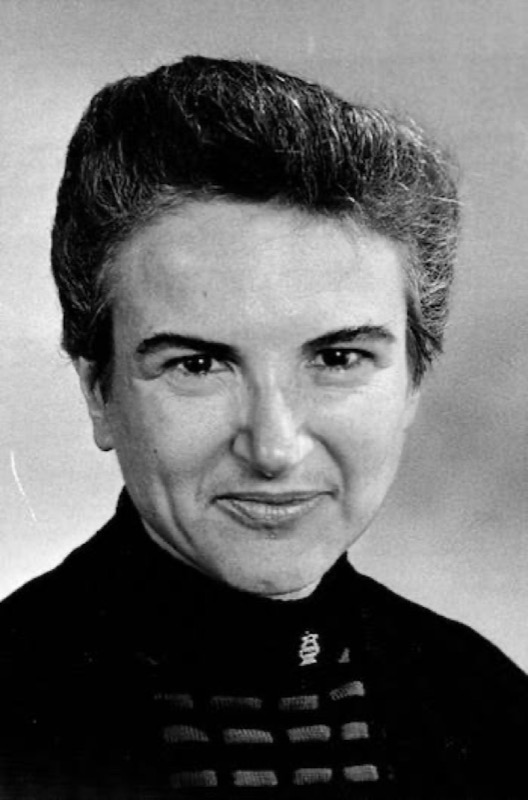
Ruth Slenczynska
In the years that followed, Slenczynska rebuilt her career. She returned to the concert stage, made further recordings and established herself as a highly respected pianist and teacher. She continued performing for decades, eventually becoming one of the longest-lived figures in classical music.
Slenczynska’s return also challenges the assumption that artistic dedication must be continuous to be authentic. We tend to regard a musician’s career as a single, uninterrupted trajectory, with every year of study and performance contributing to fulfilling an early promise. Slenczynska’s life followed a different course: she stepped away at a time when most people assumed she would be consolidating her success – and in doing so, she placed her own survival above the demands of a career.
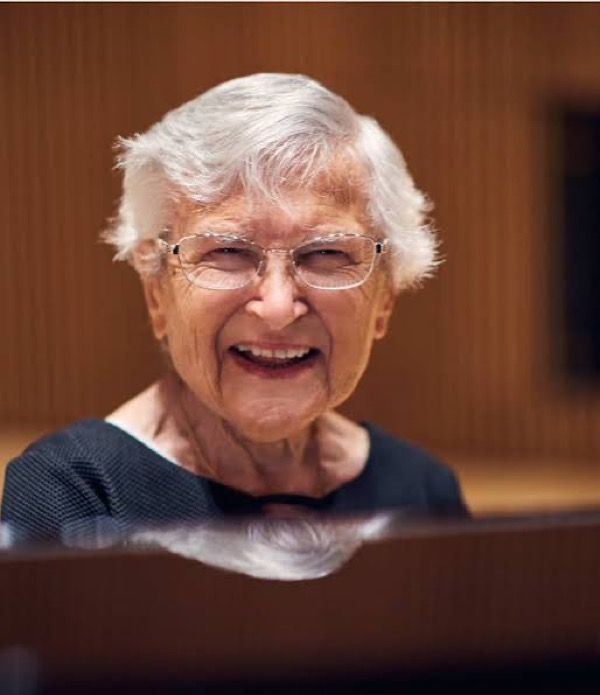
Ruth Slenczynska
Perhaps this is what makes the 1952 recordings so compelling today. They preserve the work of a pianist at a moment when her past and future met, when the extraordinary ability developed during childhood could begin to serve an adult who had chosen her own direction.
The tragedy of Slenczynska’s story lies at the heart of the father-daughter relationship. Parents naturally hope to pass something of themselves on to their children. In music, this transmission can be particularly intimate: a parent recognises an emerging talent and helps it develop. At its best, this process combines guidance with encouragement, allowing a child to discover their own musical voice. But when a parent’s ambitions deny a child’s needs, the child’s talent stops being something to nurture and becomes something to exploit.
Slenczynska died in April this year, aged 101, leaving behind a remarkable musical legacy. Her longevity might tempt us to tell a story of resilience in which survival itself becomes the triumph. Yet her life offers a more complicated lesson. Resilience was not simply her capacity to endure the pressure imposed on her as a child; it was also her willingness to refuse it, even when doing so meant sacrificing the extraordinary career she had begun so young.
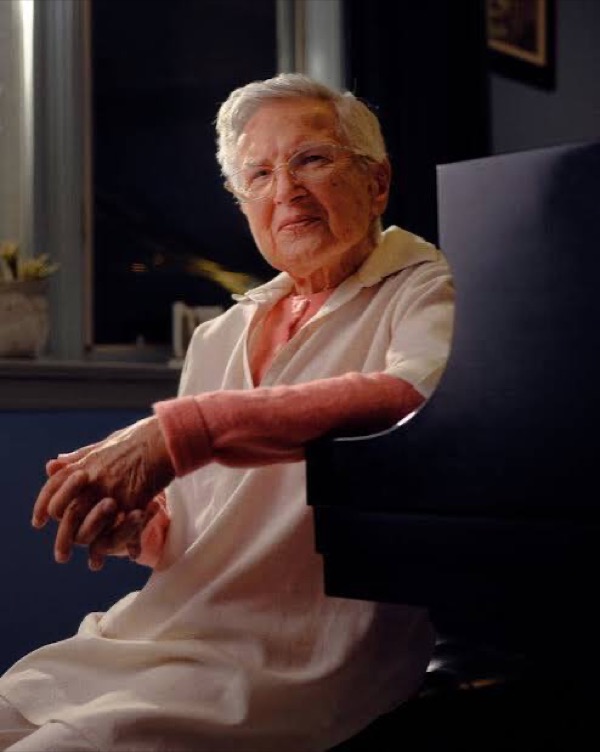
Ruth Slenczynska
Ultimately, the most important achievement of her life may not have been her precocious success or the longevity of her career. Still, her courage to reclaim something that should never have been taken from her: the right to make music on her own terms.
For more of the best in classical music, sign up for our E-Newsletter