Lady Radnor, born Helen Matilda Chaplin, was a trailblazer in the world of classical music during the late Victorian era.
At a time when societal expectations restricted women’s roles in public life, she defied convention by stepping up onto the conductor’s podium – a space that, at the time, was reserved almost solely for men.
Through her work as a musician, philanthropist, and arts advocate, Lady Radnor forever changed public perception of what conductors and orchestras could look like. Today we’re looking at how she did it.
A Musical Childhood
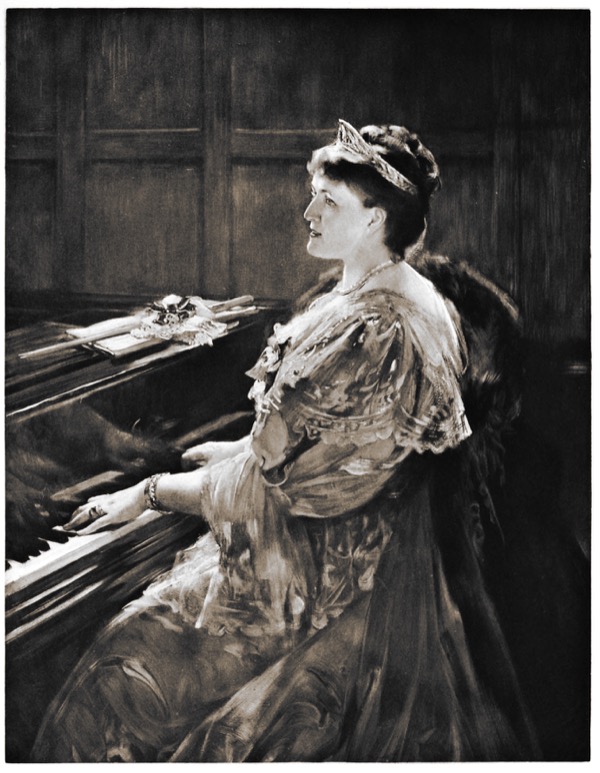
Lady Radnor
Lady Radnor was born Helen Matilda Chaplin on 21 March 1846 in the town of Ryhall, a hundred miles north of London, the youngest of five surviving siblings.
Her father, Henry, was a wealthy vicar and over twenty years older than his wife, Carolina. He died in 1849, the year Helen turned three.
Helen began studying music at the age of six, when her mother started giving her piano lessons. She also began studying voice.
She made quick progress, especially when the family began travelling regularly to London, where Helen took music lessons and attended concerts.
By the time she was ten, she could play Beethoven‘s Pathetique Sonata.
She was dealt another heavy blow when her mother died in 1858.
Now a 12-year-old orphan, she was taken in by her paternal uncle. After he died months later, she moved in with her maternal uncle and his wife, William and Lady Jane Ellice.
Jane was the daughter of the third Earl of Radnor. Through them, Helen met her future husband, William – the Earl’s grandson – in 1860, when she was fourteen, and he was nineteen.
As a teenager, she was shipped off to the village of Bonchurch on the Isle of Wight, to be educated at a small school whose student body consisted of a handful of wealthy, aristocratic families.
Although the school was small, she was able to take piano lessons there. Her teacher was Alfred Boardman, an organist who had studied at St. Paul’s Cathedral.
She later wrote that he “taught me how to teach myself, and thoroughly grounded me in Bach, Handel, Beethoven, etc., and showed me the inner meaning and soul of music.”
However, like many women musicians of her era, she never received the comprehensive musical education that a man might.
She finished school at seventeen, and moved to London to make her social debut.
Marriage and More Music
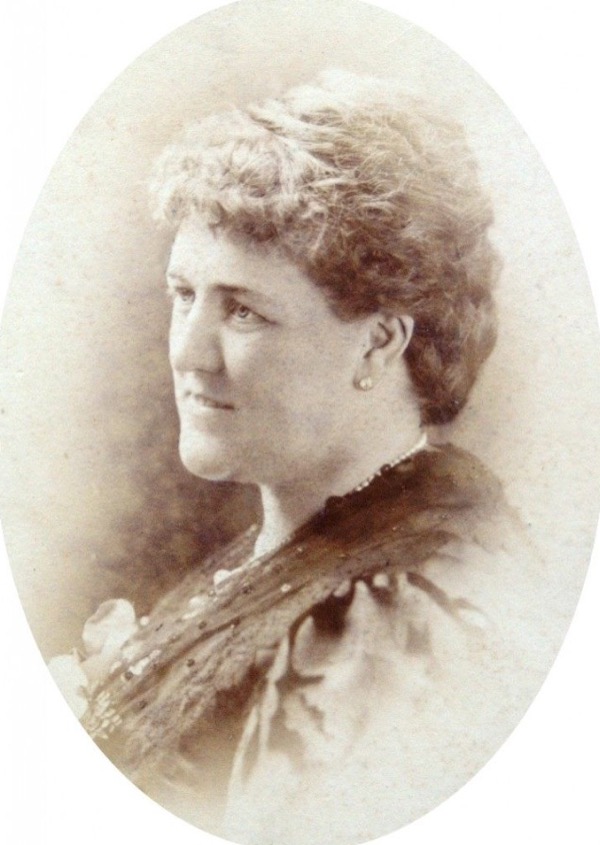
Lady Radnor
Helen and her future husband began courting in the summer of 1865. They were engaged by October and married in London the following June.
Once charged with the time-consuming responsibilities of running their own households, many nineteenth-century women found it difficult to balance domestic duties with the pursuit of their passion for music.
However, Helen didn’t let marriage – or even motherhood – get in the way of her musical studies. In fact, she intensified them.
She later wrote, “After I married I had a few lessons with Madame Pauline Viardot… and she taught me more than I had ever learned from anybody else.”
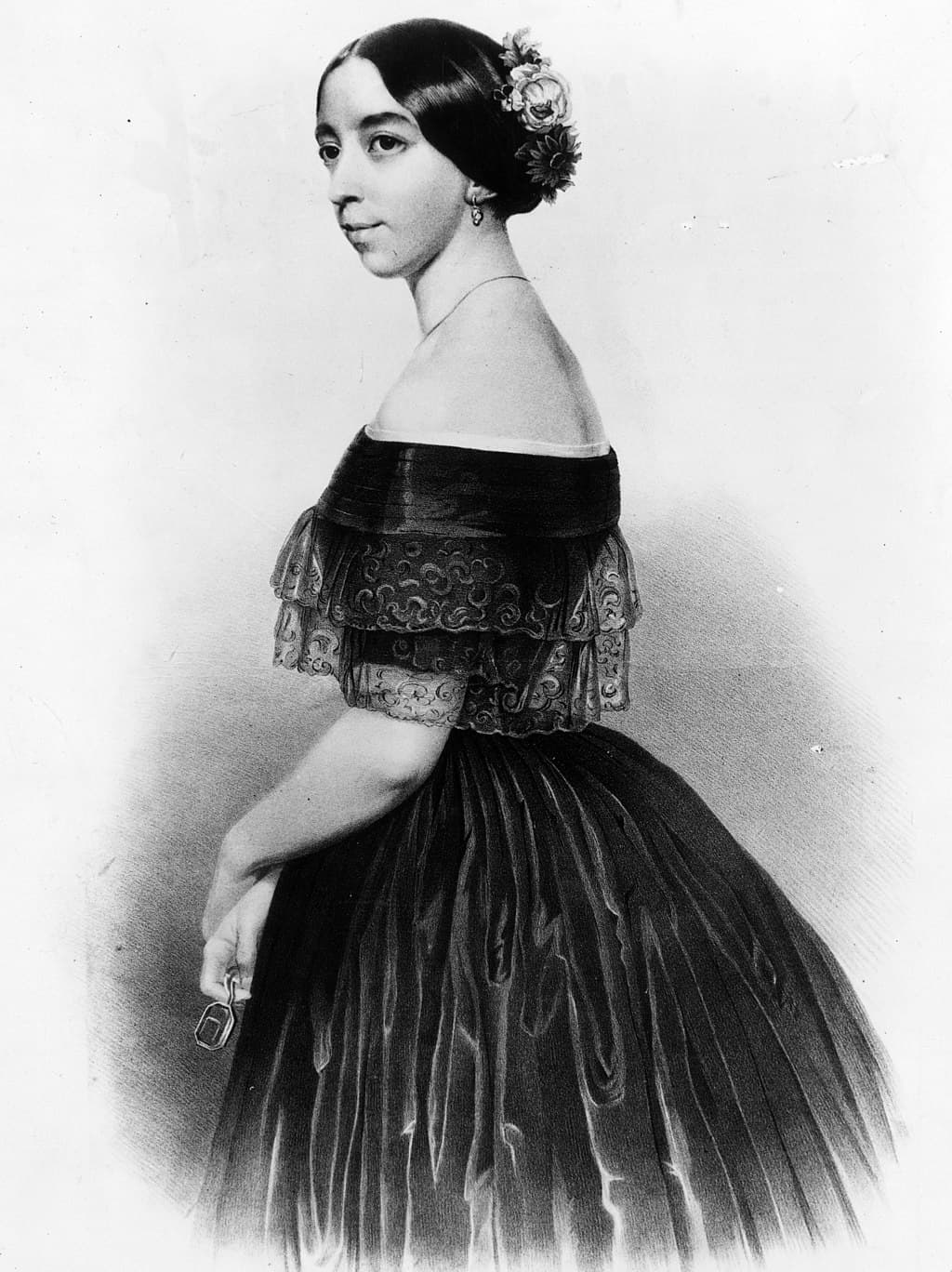
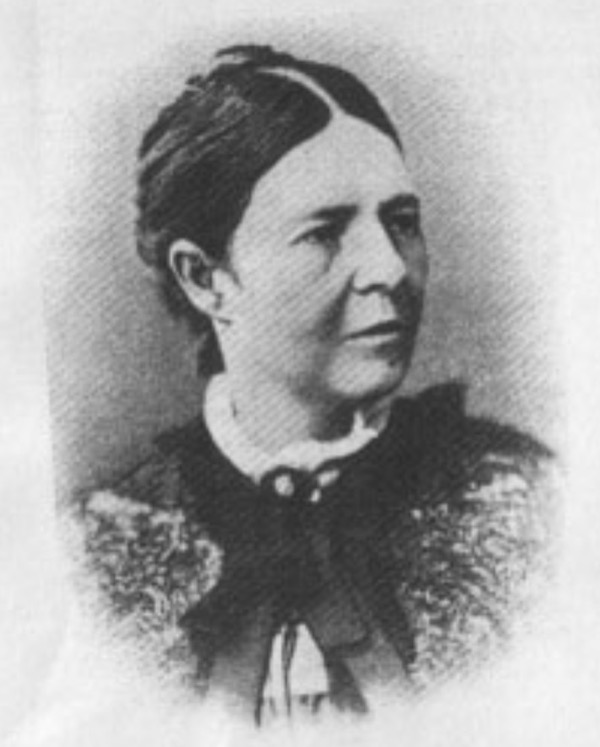
Pauline Viardot
Viardot was one of the most celebrated singers of the age and a friend of luminaries such as Clara Schumann and Frédéric Chopin.
She also began exploring her interest in conducting by working with a local church choir until she was asked to stop “interfering.”
Pauline Viardot’s “Haí Lulí”
Lady Radnor’s Children – And More Tragedy
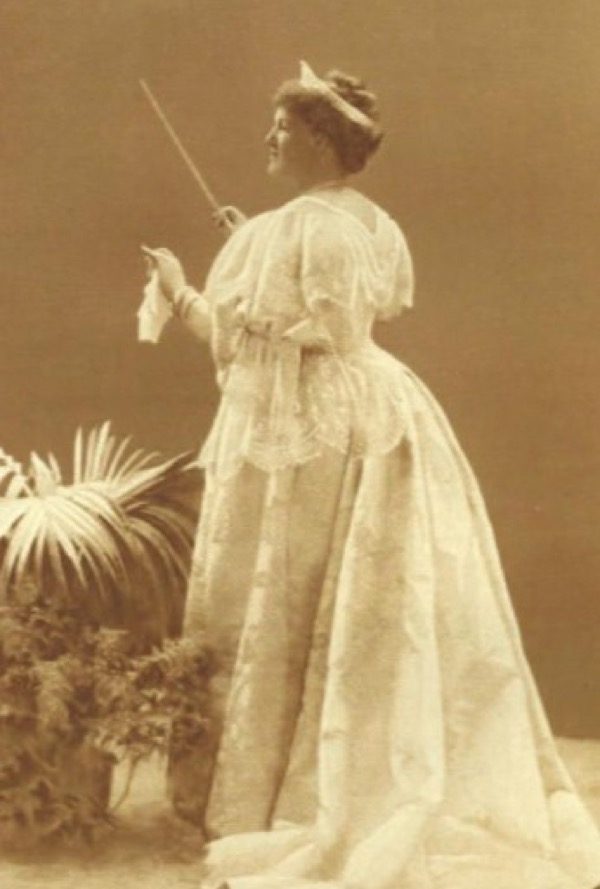
Lady Radnor
The couple’s first child, a daughter named Helen after her mother, was born in March 1867 at Coleshill, the imposing home of William’s grandfather, the Earl of Radnor.
Their second child, a boy named Jacob, was born in July 1868, and their third, Wilma, was born in September 1869.
Unfortunately, in October 1877, a faulty drain caused several members of the household to fall ill with typhoid fever. Ten-year-old Helen died.
A few agonising weeks later, her mother gave birth to her last child, Stuart.
Aristocratic Philanthropy Through Music, and a Burgeoning Career
Helen pushed through her grief. She spent much of the 1870s and 1880s raising her children while supporting her husband’s political career.
She also took on a variety of philanthropic causes, supporting performing arts organisations, including the influential People’s Entertainment Society.
Some critiqued the Society for being paternalistic and self-indulgent, funded by monied aristocratic interests, but Helen strongly believed in its goals of providing musical performances to the public.
She became an increasingly sought-after dinner guest for her impressive after-dinner recitals.
She even crossed the line between private and public appearances. In 1873, she sang Gounod and Henry Bishop at Albert Hall.
She would later write about her musical career:
“I sang a good deal more than once a week, for I find on looking over my old files, that I never took part in less than sixty concerts in a year, and, as I was away from London three or four months out of the twelve, that meant two or three concerts a week regularly when I was in town.”
This schedule was akin to a professional musician’s. (By comparison, Chopin only gave thirty public concerts over the course of his entire life.)
Helen also befriended several prominent musicians during this time, including composer Sir Hubert Parry and his wife, Lady Maud.
Parry wrote that she “sings better than any amateur I have ever heard – French, Italian, English, and Schubert all equally well.”
Women’s Orchestras in Britain
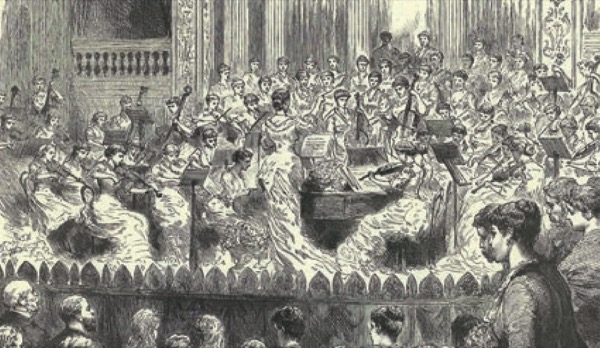
Lady Radnor conducting
These social connections led her to become involved with a major philanthropic project: the founding of the Royal College of Music in London.
In 1881, looking to stage a memorable charity concert to benefit the proposed college, Helen decided to form a string orchestra composed entirely of talented young aristocratic women.
The sight was delightful to the wealthy audience. One press review described them as picturesque, being “uniformly attired in white or cream, with ribbon badges of blue or pink.”
To put this concert in context, this was one of the first women’s orchestra performances in British history. Only two women’s orchestras had played in England before this time, and both of those had originated in Vienna.
Obviously, this practice of closed orchestras shut off an entire avenue of the art to the ever-increasing numbers of women string players. Women string soloists were permitted on concert platforms, and even praised extensively for their abilities. But orchestras made up of women were unthinkable to many, in part because so many instruments were considered unladylike to play – and the idea of integrated orchestras with men and women playing side-by-side was immediately and automatically rejected.
But Helen’s orchestra got audiences used to the idea of women interestingly playing in orchestras: by including socially celebrated women musicians from wealthy and respectable families, and by using their performances as fundraisers to support cultural and educational institutions. Nobody could object to that.
Whether she’d meant to or not, Helen had figured out how to change public opinion about what an orchestra – and a conductor – could look like.
The Orchestra’s Growing Fame
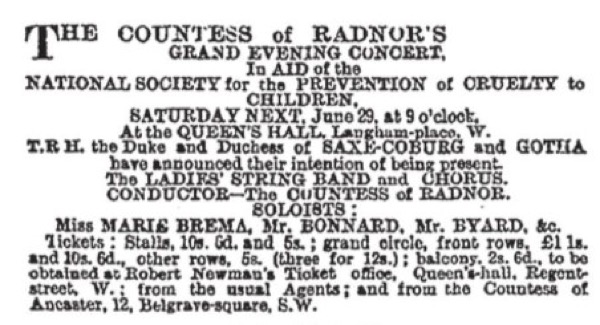
Lady Radnor advertisement
Lady Radnor’s orchestral performances became famous around the world, to the point where P.T. Barnum offered to pay their expenses to embark on a tour through America.
However, the idea of bringing genteel members of the English aristocracy on a frontier tour was considered ludicrous, and Helen joked about it with her players during rehearsals. They opted to continue performing in England for charity instead.
The ensemble garnered a major artistic feather in their cap in 1894, when they premiered Hubert Parry’s Lady Radnor’s Suite.
The Musical Times described her conducting:
“Lady Radnor is a conductor of quite exceptional qualifications, who evidently exercises the indefinable influence over her players which distinguishes the conductor ‘born, not made.’ Her beat is decided and expressive, and she uses her left hand effectively, suggestive of a sympathetic study of Dr Richter’s methods. Her whole attention is given to the forces under her command, for she does not belong to those animate metronomes who, as someone – was it Bulow? – said ‘have their head in the score instead of the score in their head.’ Lady Radnor, in fact, hardly ever referred to the music in front of her, even Dr Parry’s Suite being apparently conducted by heart.”
It’s an extraordinary review, given the fact that she had never been allowed to train as a conductor, and had learned everything she knew on the job.
Parry’s Lady Radnor Suite
Balancing Two Lives as an Aristocrat and Musician
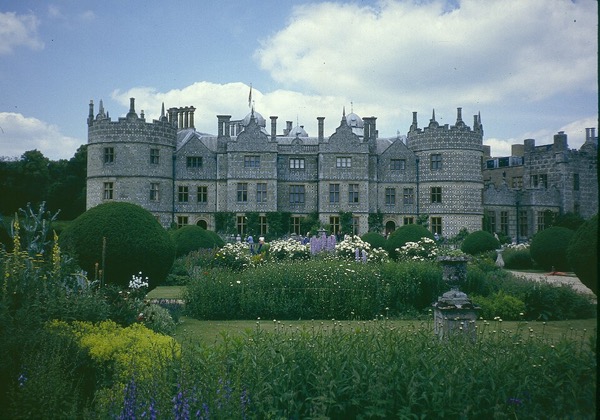
Longford Castle, Lady Radnor’s home
In addition to her work with her orchestra, Lady Radnor continued to embrace her identity as an English aristocrat. In 1891, four thousand people came to celebrate her and William’s twenty-fifth wedding anniversary.
During this time, she rubbed elbows with Queen Victoria, culminating in multiple invitations to Windsor Castle.
Her social and musical worlds collided when Victoria’s second-eldest son Alfred attended one of her orchestra concerts and sent her a medal, writing to her:
“It is in my power to confer a distinction on those who excel in Science and Art, and I take the liberty, in remembrance of last night, to send you the highest class of what Order instituted by my late Uncle. Of the concert I need only say that all the Orchestral and Choral parts gave me infinite pleasure.”
Her Biggest Orchestra Yet – And Why It Failed
In 1896, Lady Radnor’s orchestra consisted of nineteen first violins, eighteen second violins, twelve violas, fourteen cellos, seven double-basses, and timpani. It was also the same year that the orchestra disbanded.
So why, at the height of its popularity and influence, did Lady Radnor step back?
Unfortunately, she suffered from chronic pain after a roller skating injury she’d suffered in her youth, and this pain worsened in the mid-1890s.
She explained in her memoirs:
“I did not say ‘Farewell’ to the Band – it would have tried me too much. But I never called them together again after the Doctor had told me that I could ‘continue my musical career’ or ‘look after my home and county duties,’ but that I should never have the physical strength for both.”
In the end, the obligation she felt to her social position overrode the obligation she felt to continue conducting.
Lady Radnor’s Final Years
In June of 1900, William died, leaving Helen a widow.
She decided to leave for Venice, where she spent many happy months. She ultimately retired in England, where she died on 11 September 1929.
She died a trailblazer of orchestral music, having played a vital role in making women’s orchestral playing acceptable in Britain. By the 1910s, women were being hired to play in London orchestras alongside men.
After Lady Radnor, orchestras would never look – or be – the same.
For more of the best in classical music, sign up for our E-Newsletter