We rarely hear recordings by regional American choirs, so this new recording by the St. Charles Singers on Navona is a welcome arrival.
The St Charles Singers, based in the Chicago suburb of St Charles, Illinois, was established in 1984, led by Jeff Hunt. They’re ambitious, with both national and international concert tours, and have recently completed a 12-year concert series to perform and record Mozart’s sacred choral music, a unique accomplishment for an American choir.
Their latest album, Dancing Tree, takes music by 6 composers on the theme(s) of nature. They open with a work commissioned from one of England’s greatest choral composers to celebrate the Choir’s 40th anniversary. John Rutter’s Dancing Tree sets the poetry of Charles Causley as an 8-movement cycle for harp and choir. This is a world-premiere performance.
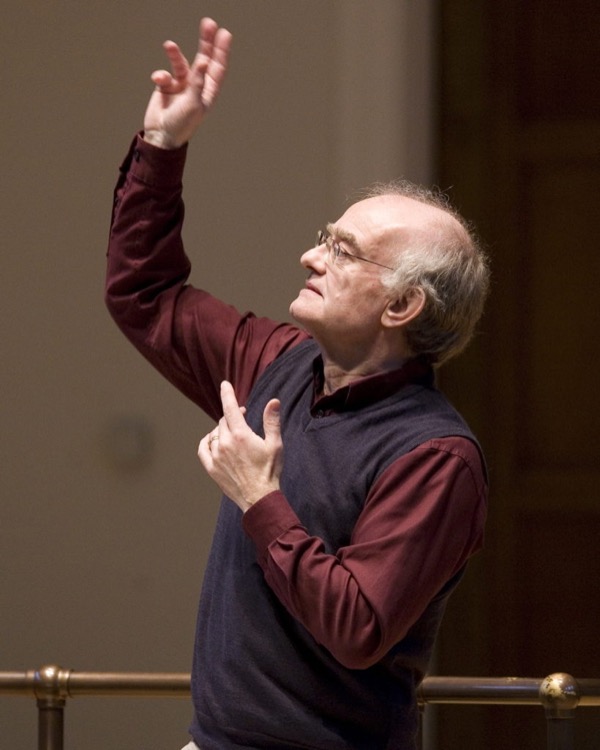
John Rutter
John Rutter: Dancing Tree – I. Stone in the Water
Charles Villiers Stanford’s The Blue Bird has become a very central work for the choir. The song, setting the words of Mary Elizabeth Coleridge, was particularly important to them during the COVID lockdown. On one occasion, the choir gathered, masked, to sing in a local forest preserve. It is considered one of Stanford’s best examples of part songs and was part of his 1910 collection Eight Part Songs.
Next is Charles Forsberg’s Buttercup Days, part of a 5-part cycle (In Christopher’s Time) written for the Choir in 1988. It takes its text from A.A. Milne’s poetry collection Now We Are Six, describing a child, Anne, lost in the buttercups, holding Christopher Robin’s hand. It’s a beautiful close to this album of songs of nature.
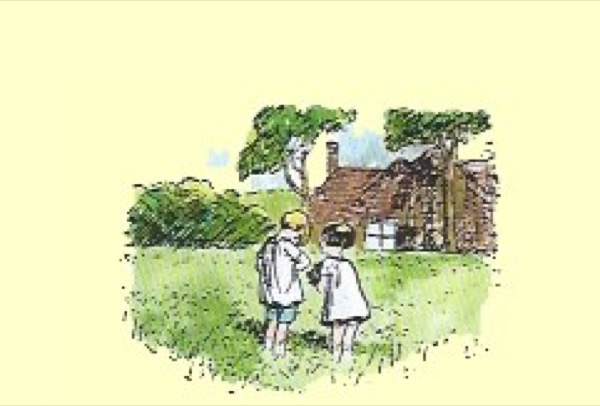
E.H. Shepard: Christopher and Anne, 1927
Claude Debussy wrote his Trois Chansons in 1898 and 1908, setting poetry by Charles, Duke of Orléans (1394–1465). The choir performs the three works, but it’s the third of the chansons, Yver, vous n’estes qu’un villain (Winter, you’re just a villain) that is most striking. It opens with a complaint about the season’s harshness. A middle section brings back the memory of Summer before Winter returns. Debussy’s deliberate combination of Renaissance song techniques and ancient texts makes this part of the neo-classical trend of the time.
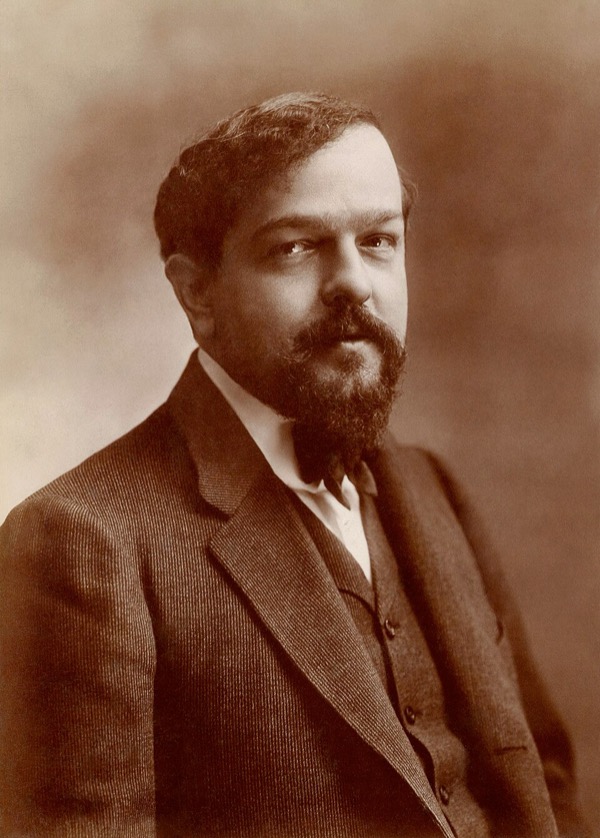
Nadar: Debussy, ca 1900 (Gallica, btv1b53118843k/f1)
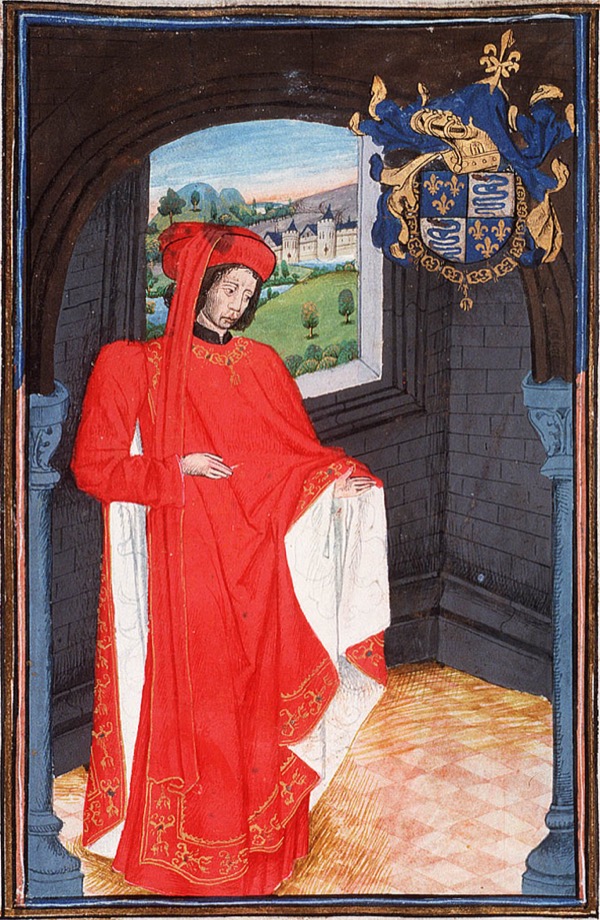
Charles, duc d’Orléans, 1473
Claude Debussy: Trois Chansons – III. Yver, vous n’estes qu’un villain
Benjamin Britten’s Hymn to St Cecilia was written when he was returning to Britain after some time in America. The poem was by W.H. Auden, who had met Britten when they worked together in the 1930s. He was also in the US with Britten and others, but remained there after Britten’s departure in 1942.
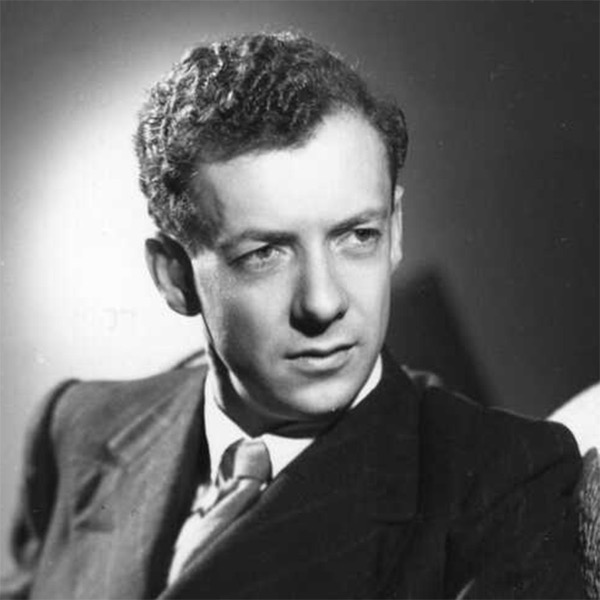
Benjamin Britten

Jake Runestad
The album closes with Cello Songs by Jake Runestad, a 4-movement work ‘intended as love songs’. It places the cello front and centre and asks us to consider it within the context of the seasons to ‘examine how the cello might come to mean very different things to us as we progress through the beauty and complexity of our lives’. The text is by Todd Boss and reflects on the poem “Cello” by Dorianne Laux. Cellist Jean Hatmaker makes her instrument a living body within the music.
It’s a real delight to hear this choir sing this variety of music with such panache. From Debussy’s Renaissance references to Britten’s semi-sacred evocation of the Patron Saint of Music to John Rutter’s modern choral writing, the Choir handles all with ease.
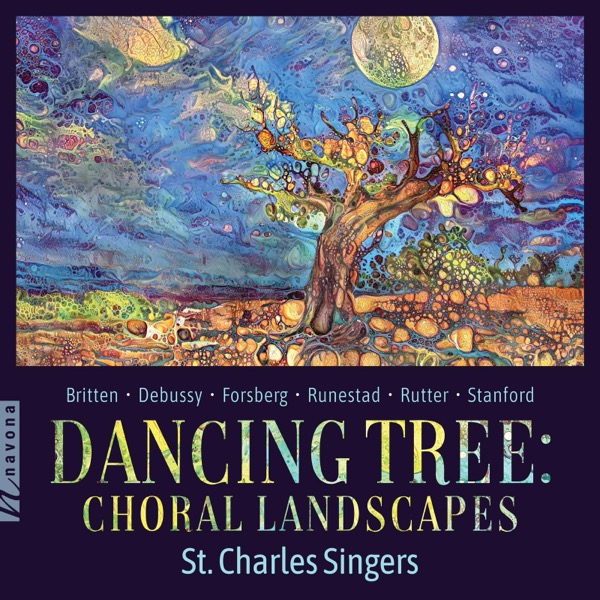
Dancing Tree: Choral Landscapes
Music by Benjamin Britten, Claude Debussy, Charles Forsberg, Jake Runestad, John Rutter, and Charles Villiers Stanford
St. Charles Singers; Jeff Hunt, conductor
Navona Records NV6876
Release date: 21 August 2026
For more of the best in classical music, sign up for our E-Newsletter