The sacred cantatas by Johann Sebastian Bach are among the most profound and enduring works in the Western musical canon. They serve as both spiritual mediations and virtuosic displays of Baroque craftsmanship.
Many of Bach’s cantatas are prefaced by sinfonias, exquisite instrumental introductions that stand out as moments of sublime artistry, encapsulating the emotional and theological essence of the works they are introducing.
Each sinfonia is a miniature masterpiece, setting the stage for the vocal drama to come while offering listeners a glimpse into the depth of Bach’s musical imagination. These concise yet richly textured movements, often scored for diverse ensembles, demonstrate Bach’s genius for blending intricate counterpoint, expressive melodies, and innovative harmonies.
To commemorate Bach’s passing on 28 July, let’s feature 10 of the finest Sinfonias from his vast cantata treasure.
Johann Sebastian Bach: Himmelskönig, sei willkommen, BWV 182 “Sinfonia”
King of Heaven, Welcome
The sinfonia from Bach’s Cantata BWV 182 “King of Heaven, Welcome,” was composed for Palm Sunday in 1714. It is a compact Baroque gem setting the mood like a royal procession with a pastoral bounce.
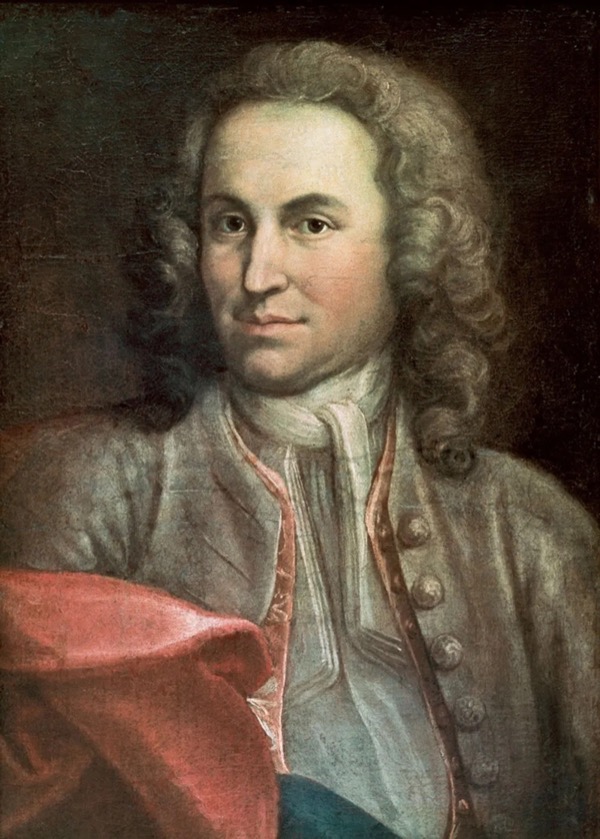
Johann Sebastian Bach
It is scored for strings and the star soloist, the recorder. That recorder isn’t just playing along but weaving pure beauty over the strings’ pulsing rhythm. That interplay feels much like a conversation between heaven and earth.
The sinfonia’s infectious rhythm and the recorder’s chirpy charisma make it instantly memorable. This sinfonia’s charm and compact brilliance make it a standout, capturing Bach’s genius for blending the divine with the downright delightful.
Johann Sebastian Bach: Christ lag in Todes Banden, BWV 4: Sinfonia (Les Arts Florissants; Paul Agnew, cond.)
Christ lay in Death’s Bonds
The sinfonia from Bach’s Cantata BWV 4 is a haunting yet hopeful opener that sets a profound tone for this Easter masterpiece. It grabs listeners with its sombre and reflective mood, like a quiet moment of mourning before the resurrection’s triumph.
It sounds like a slow and solemn prelude based on the cantata’s core hymn tune. The violins weave a delicate, almost weeping melody, while the lower strings and continuo pulse with a steady, heartbeat-like rhythm.
Bach’s genius lies in simplicity: there is no flashy virtuosity, only raw emotion. It’s like a musical deep breath, preparing you for the cantata’s journey from death to life. This sinfonia is Bach at his most direct; short, soulful, and unforgettable.
Johann Sebastian Bach: Ich habe meine Zuversicht, BWV 188 “Sinfonia”
I have [placed] my Confidence
Likely composed around 1728, the sinfonia from Bach’s Cantata BWV 188 is a vibrant and soul-lifting opener that radiates trust and triumph. This concise instrumental prelude in the major key bursts with energy, setting the stage for a cantata about unwavering faith.
Scored for strings and a very prominent organ, this opener is a lively dance that feels like a joyful leap into hope. The organ takes the spotlight, spinning out a brisk and virtuosic melody that weaves through the strings.
The upbeat tempo and sparkling texture make it feel like a musical sunrise, confident and warm. It’s Bach at his most optimistic, composing a prelude that’s as catchy as it is profound.
Johann Sebastian Bach: Weinen, Klagen, Sorgen, Zagen, BWV 12: Sinfonia (Collegium Vocale Gent; Philippe Herreweghe, cond.)
Weeping, Lamenting, Worrying, Fearing
The gripping opener of Bach’s Cantata BWV 12 dives straight into the heart of human struggle. Composed for the third Sunday after Easter in 1714, this brief instrumental prelude sets a somber and introspective mood that perfectly mirrors the themes of sorrow and eventual hope.
Scored for strings, continuo, and a plaintive oboe, this sinfonia is a slow and aching piece that feels like a musical sigh. The oboe takes centre stage, weaving a mournful melody that seems to cry out uncontrollably.
Meanwhile, the strings provide a steady, almost funereal pulse underneath. Yet, there is a faint glimmer of resolution, hinting at the redemption to come. Bach is at his most human here, crafting a prelude that is both devastating and deeply moving.
Johann Sebastian Bach: Geist und Seele wird verwirret, BWV 35 “Sinfonia Part II”
Soul and Spirit are Bewildered
The sinfonia from Bach’s Cantata BWV 35 is a dazzling, high-energy opener that feels like a Baroque whirlwind of divine inspiration. Composed in 1726 for the 12th Sunday after Trinity, this instrumental prelude is scored for string, continuo, and a virtuosic solo organ.
It is a lively, almost theatrical piece that captures the cantata’s theme of spiritual awe and confusion with a bold, confident strut. The organ leads the charge, spinning out rapid, intricate passages that dance and dart, while the strings provide a pulsing, rhythmic foundation that keeps the energy soaring.

Johann Sebastian Bach
Bach’s harmonies are rich and restless, with clever counterpoint creating a sense of swirling complexity. It’s vibrant and exhilarating, with just a touch of playfulness, showcasing Bach’s genius for blending technical brilliance with emotional depth.
Johann Sebastian Bach: Ich liebe den Höchsten von ganzem Gemüte, BWV 174: Sinfonia (Netherlands Bach Collegium; Pieter Jan Leusink, cond.)
I love God with all my Heart
The sinfonia from Bach’s Cantata BWV 174 is a radiant, festive opener that bursts with devotion and grandeur. And I am sure you recognise it immediately, as it is a beefed-up reworking of the opening movement of Bach’s Brandenburg Concerto No. 3.
Scored for strings, continuo, two horns, two oboes, and bassoon, it is a jubilant musical love letter to the divine. The strings drive the energy with their lively, interwoven lines, while the horns and oboes add a bright, celebratory edge.
It’s like a heavenly fanfare, with Bach’s signature counterpoint creating a dazzling tapestry of sound that is both intricate and accessible. The upbeat tempo and rich texture make it feel like a joyful procession, as Bach, at his most exuberant, crafted a sinfonia that is as bold as it is beautiful.
Johann Sebastian Bach: Wir müssen durch viel Trübsal, BWV 146
We must [pass] through great Sadness
The sinfonia from Bach’s Cantata BWV 146 is once again a reworking. Here, Bach took the first movement of his Harpsichord Concerto in D minor, BWV 1052, as his model. It is a substantial instrumental introduction, with the solo organ taking the lead.
The organ drives the narrative with intense, virtuosic runs, and the steady, pulsing strings provide the backdrop, like a soul navigating enduring hardship. And just listen to that rich, turbulent harmony, with intricate counterpoint that creates a sense of struggle and resilience.
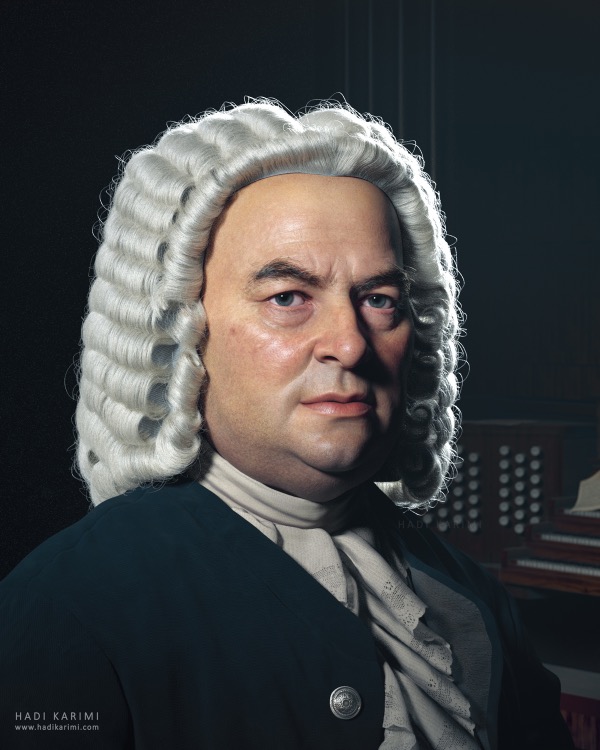
Johann Sebastian Bach (Credit: Hadi Karimi)
The slower, reflective moments contrast with fiery bursts, painting a vivid picture of tribulation tempered by hope. It’s Bach at his most cinematic, delivering a prelude that is both emotionally raw and technically stunning.
Johann Sebastian Bach: Die Himmel erzählen die Ehre Gottes, BWV 76, Part II: Sinfonia (Netherlands Bach Collegium; Pieter Jan Leusink, cond.)
The Heavens are telling the glory of God
The sinfonia from Bach’s Cantata BWV 76 was composed in 1723 for the second Sunday after Trinity. Introducing the second part of the Cantata, it is scored for a smaller ensemble of strings, continuo, and a solo oboe d’amore.
The sinfonia opens with a gentle and reflective section, with the oboe presenting a tender and flowing melody over the soft pulsing accompaniment of the strings. This part feels like a quiet moment of devotion, both soothing and deeply expressive.
But then the music shifts into a higher gear, with the oboe announcing a spritely theme. In turn, this theme is taken up by the strings and the continuo, and Bach’s signature counterpoint is weaving a lively dialogue between the instruments. In fact, Bach would later use this movement in one of his trio sonatas for the organ.
Johann Sebastian Bach: Die Elenden sollen essen, BWV 75: Sinfonia (Stuttgart Bach Collegium; Helmuth Rilling, cond.)
The miserable shall eat
The sinfonia that opens the second part of Bach’s Cantata BWV 75 was composed in 1723 for the first Sunday after Trinity. This tender and introspective gem is scored for a small ensemble and a solo oboe, sometimes played by a trumpet.
The strings provide a soft, pulsing foundation, with the trumpet singing the chorale tune above. This almost sorrowful tune reflects the cantata’s theme of comfort for the afflicted.
The delicate counterpoint creates an emotional journey, from quiet lament to hopeful resolve. Bach is here at his most compassionate, crafting a prelude that is both soothing and subtly dynamic, like a musical embrace for the weary.
We thank you God
The sinfonia from Bach’s Cantata BWV 29 is a jubilant, high-octane opener that explodes with gratitude and grandeur. This festive opening probably comes from a wedding cantata written in 1729.
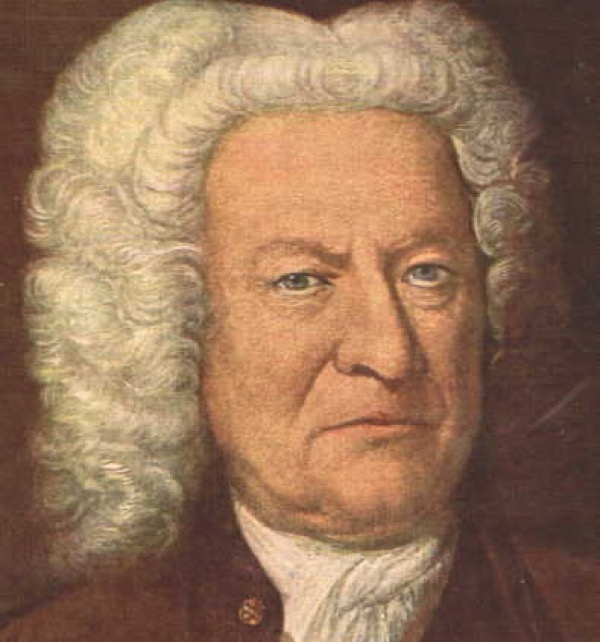
Bach later in life
The music then became the opening movement of Bach’s Violin Partita No. 3, BWV 1006, and later, as a beefed-up version for full ensemble, the opening sinfonia for the cantata. We now find strings, continuo, three trumpets, two oboes, timpani, and a most virtuosic solo organ.
This sinfonia is festive and almost regal, like a musical fireworks display.
The organ takes the lead with dazzling, rapid-fire runs, while the trumpets and timpani add a triumphant, ceremonial punch. This is Bach at his most exuberant, delivering a prelude that is as thankful as it is thrilling.
Johann Sebastian Bach: Wir danken dir Gott, BWV 29 “Sinfonia”
Bonus Track
This sinfonia for the Bach Cantata BWV 42 “On the evening, however, of that same Sabbath,” was composed in 1725 for the first Sunday after Easter. It may once have been the first part of a concerto for two oboes, bassoon, and orchestra.
It is certainly a serene yet lively instrumental opener that creates a rich, pastoral soundscape. The sinfonia unfolds with a gently swaying tempo, with oboes and the bassoon weaving lyrical and deliciously intertwining melodies. This is Bach at his most evocative, as he seems to have wanted to prolong the Easter festivities a little longer.
There is nothing but genius in the sinfonias of Bach’s cantatas as he weaves together the divine and the human in brief yet profound instrumental tapestries. They are not merely introductions but portals to the spiritual and emotional realm.
In this playlist, I’ve presented only 11 sinfonias from the countless gems Bach wrote. Shall we schedule a follow-up? We would love to hear any suggestions you might have.
For more of the best in classical music, sign up for our E-Newsletter