Few operas have generated a richer afterlife of instrumental and orchestral reimaginings than Carmen.
Although it initially flopped in early 1875, Carmen found an audience outside of Paris later that year and went on to become one of the best-loved operas of all time.
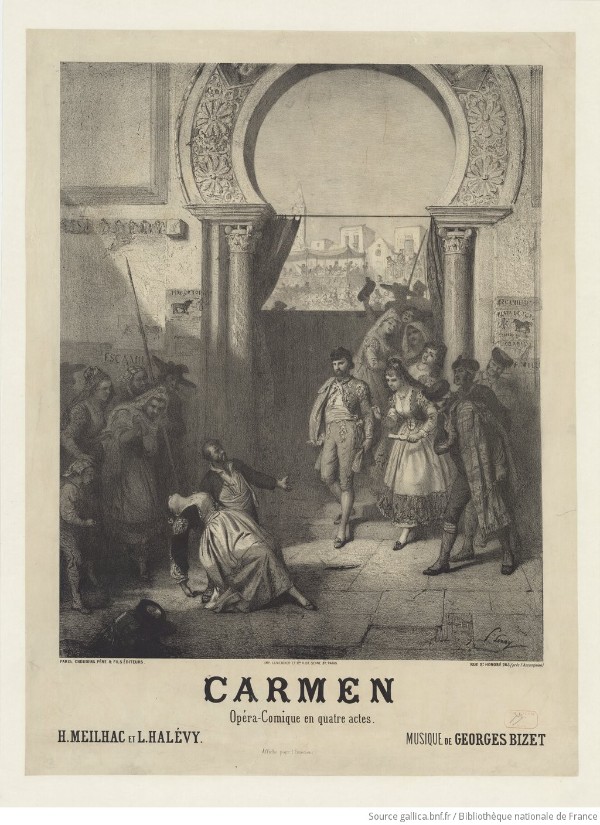
Prudent Louis Leray: Carmen, poster, 1875 (Gallica: btv1b53187276q)
Bizet died that June from a heart attack, often linked to the stress he experienced during the premiere, so he never lived to see its success.
But his exciting, dynamic score became a goldmine for other virtuosi, composers, and arrangers eager to refashion its melodies posthumously and in new contexts: the concert hall, the salon, the conservatory, and even the ballet stage.
Today, we’re celebrating eight of the most famous and significant arrangements.
Jenő Hubay – Carmen Fantaisie (c. 1876–1878)
Hubay’s Carmen Fantaisie is among the earliest instrumental responses to Bizet’s opera, appearing within a couple of years after the composer’s death.
Written while Carmen was still finding its footing in the repertoire (remarkably, after 1875, the opera wasn’t revived in Paris again until 1883), the piece reflects the enthusiasm international listeners had for the score. Brahms, Tchaikovsky, and Wagner were among its early fans.
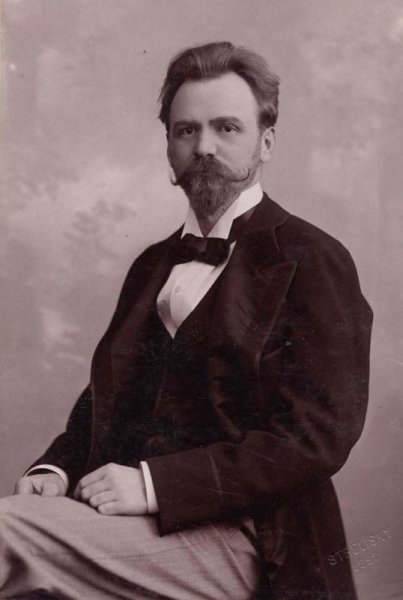
Jenő Hubay
Hungarian violinist Jenő Hubay wrote this fantasy in his late teens or very early twenties. Over the course of his career he became an influential violinist, composer, and teacher.
Other violin arrangements of Carmen (featured later on this list) have eclipsed it in popularity, meaning it isn’t often heard today.
But its very existence is proof that despite Parisian audiences’ initial coolness toward the opera in 1875, other musicians from other countries, like Hubay, immediately understood its potential.
François Borne – Fantaisie Brillante sur Carmen (1880)
Borne’s fantasy occupies a singular position: it is the definitive wind-instrument arrangement of the themes from Carmen.
Written by François Borne, a French flautist who played with the orchestra of the Grand Théâtre de Bordeaux, the piece adapts Bizet’s melodies to the flute’s agile, vocal character while simultaneously demanding dazzling articulation, breath control, and fingerwork.

Carmen, 2023 (Chicago Summer Opera)
Structured as a compact sequence of variations, the work transforms familiar numbers – most famously the “Habanera” and “Toreador’s Song” – into a single brilliant showpiece that balances charm with sheer athleticism.
Borne’s Carmen Fantaisie became a conservatory staple, embedding Bizet’s music into the training of generations of flautists. Few operatic arrangements have had such a long pedagogical afterlife.
Georges Bizet / Ernest Guiraud – Carmen Suites No. 1 (1882) and No. 2 (1887)
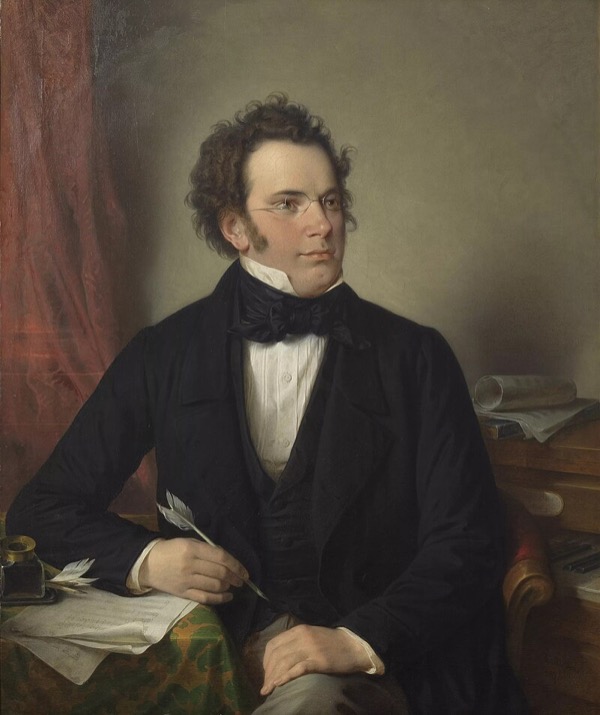
After Bizet’s death, his friend and colleague Ernest Guiraud assembled two orchestral suites from the opera’s most vivid numbers.
These suites played an additional role in rehabilitating Carmen, presenting its music in a form appealing to concert audiences who might not attend the opera.
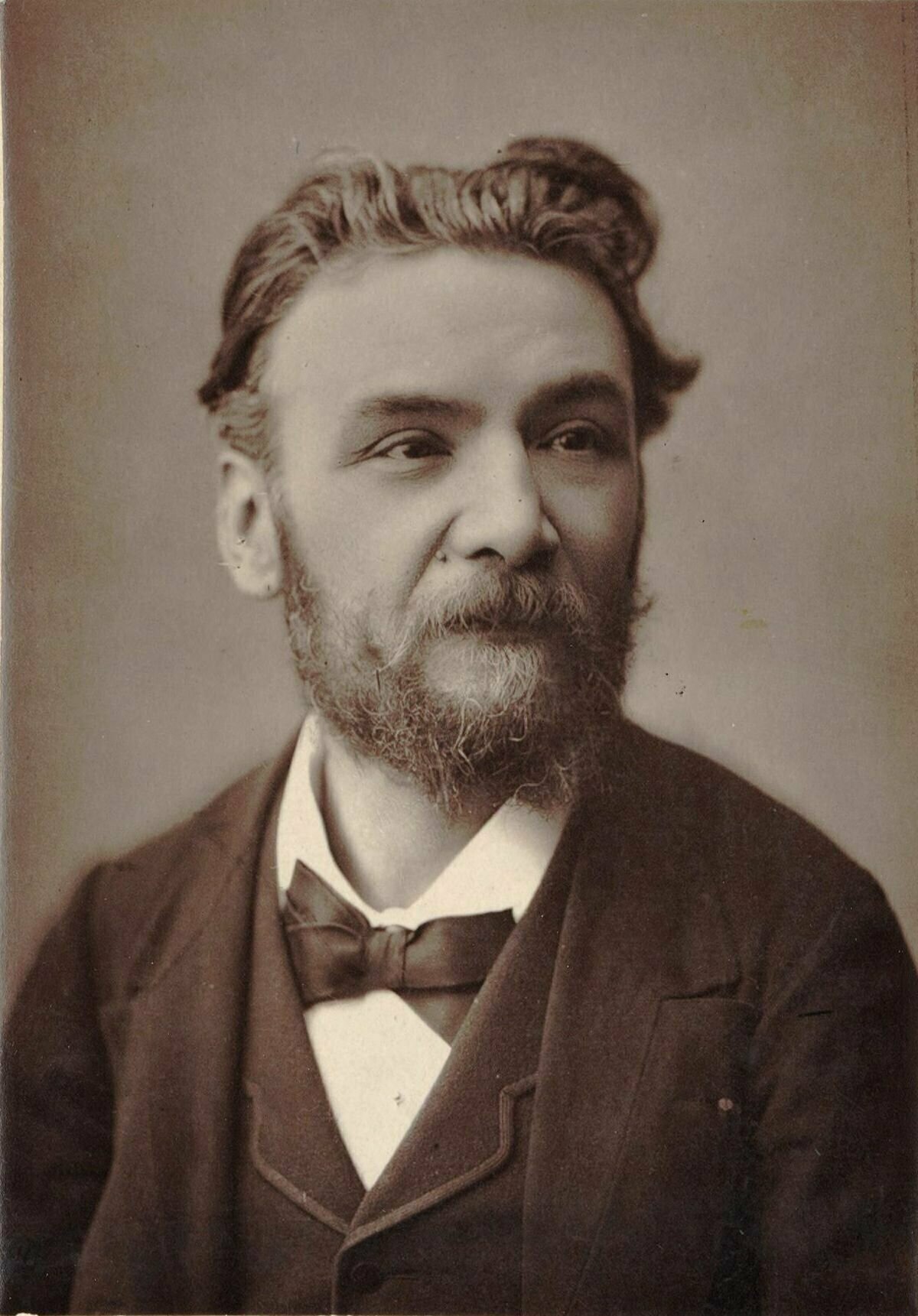
Ernest Guiraud
Freed from the confines of a narrative, the suites highlight the rhythmic vitality and kaleidoscopic orchestral colour of Bizet’s music. Those inherent qualities ensured that the music could thrive independently of the opera’s plot.
The Guiraud suites guaranteed Carmen a permanent spot on concert stages. They also, in turn, helped to secure the opera’s place in the mainstream repertory.
Pablo de Sarasate – Carmen Fantasy (1881)
Pablo de Sarasate‘s fantasy is the most popular of all the Carmen adaptations for solo instruments, and one of the most popular works he ever wrote.
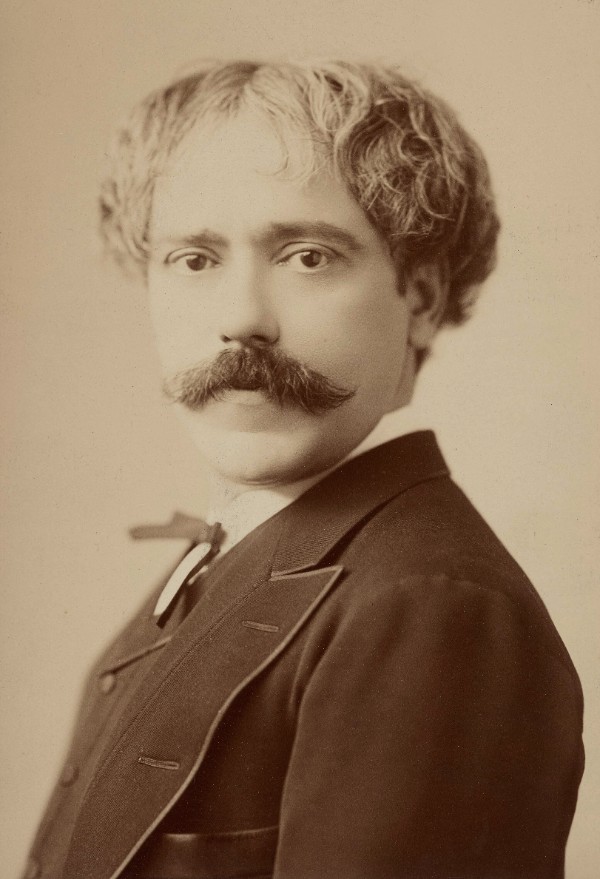
Pablo de Sarasate
Pablo de Sarasate was a Spanish virtuoso who’d been steeped in the idioms that the French Bizet could only stylise: authentic dance rhythms, specific articulations, guitar-like figures, etc. As a result, the work became a brilliant blend of Bizet’s French colour and Sarasate’s expertise at embodying authentic Spanish charm.
Sarasate’s version is unapologetically virtuosic. It consists of five brief movements, each with a new theme, crafting a tightly structured showpiece designed for maximum impact (and also showing off how many memorable melodies came from the original opera).
Its durability has made it the gold standard against which all other operatic violin fantasies are measured.
Ferruccio Busoni – Sonatina No. 6, BV 284, “Carmen Fantasie” (1920)
Busoni‘s “Carmen Fantasie” is a fascinating document. It is titled “Sonatina No. 6” but is also a meditation on some of the themes from Bizet’s opera.
Written late in his life, the sonatina fragments and distorts Bizet’s themes, filtering them through Busoni’s own unique compositional language.
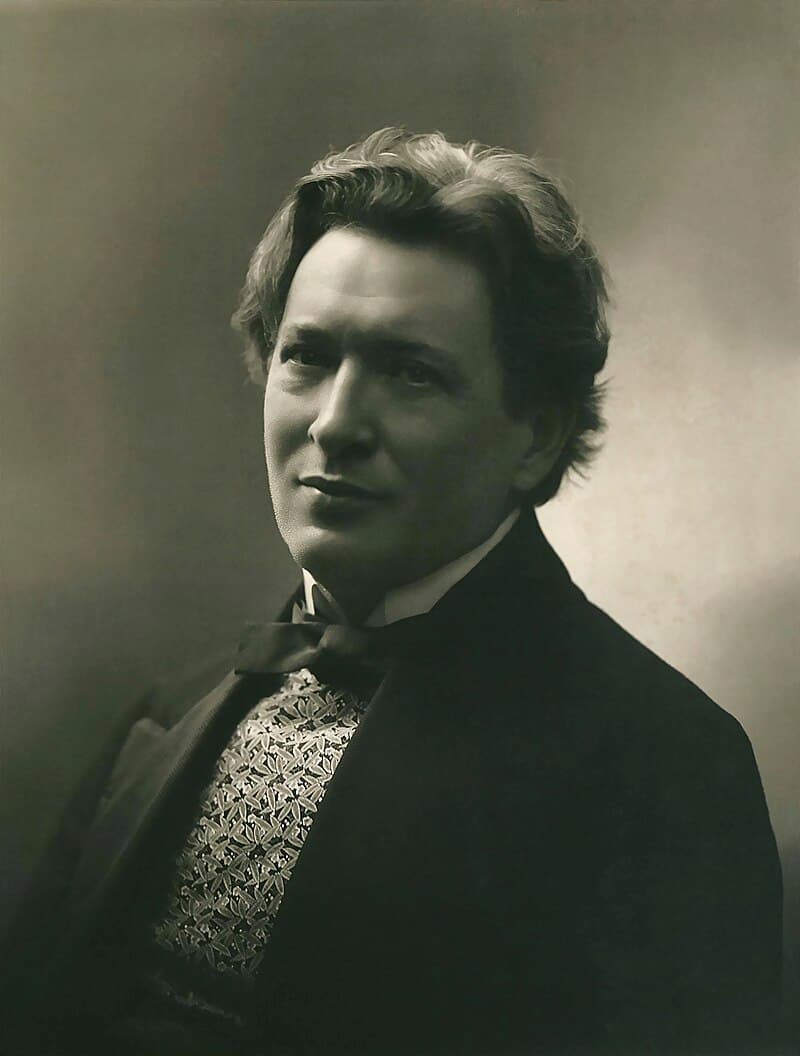
Ferruccio Busoni, 1913 (Photo by Varischi & Artico)
The familiar melodies emerge only briefly, often transformed beyond recognition, and embedded in dense textures and unexpected tonal shifts.
Busoni treats Carmen not just as a source of tunes but as raw material to reinvent and remake, marking a decisive break from 19th-century virtuoso transcription and toward the new 20th-century compositional approach of adding commentary.
Vladimir Horowitz – Carmen Variations (1926)
After Busoni’s experimentation with Bizet’s music, Horowitz’s Carmen Variations is a return to the tradition of the extroverted virtuoso transcriptions of Hubay, Borne, and Sarasate, this time spotlighting the piano.
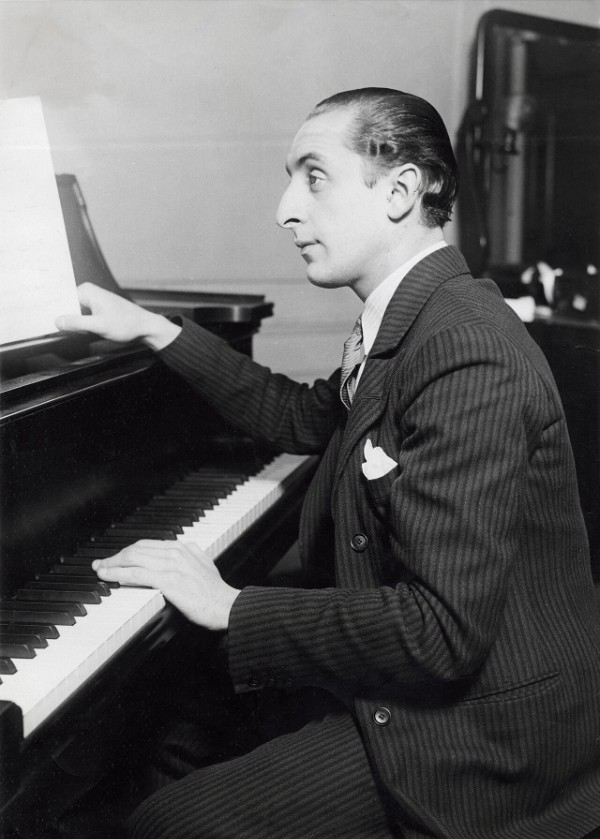
Vladimir Horowitz wrote his first version of this work around 1926, when he was a young pianist just beginning his career. They were variations on the opera’s “Danse bohémienne” (also known in English as the “Gypsy Dance”).
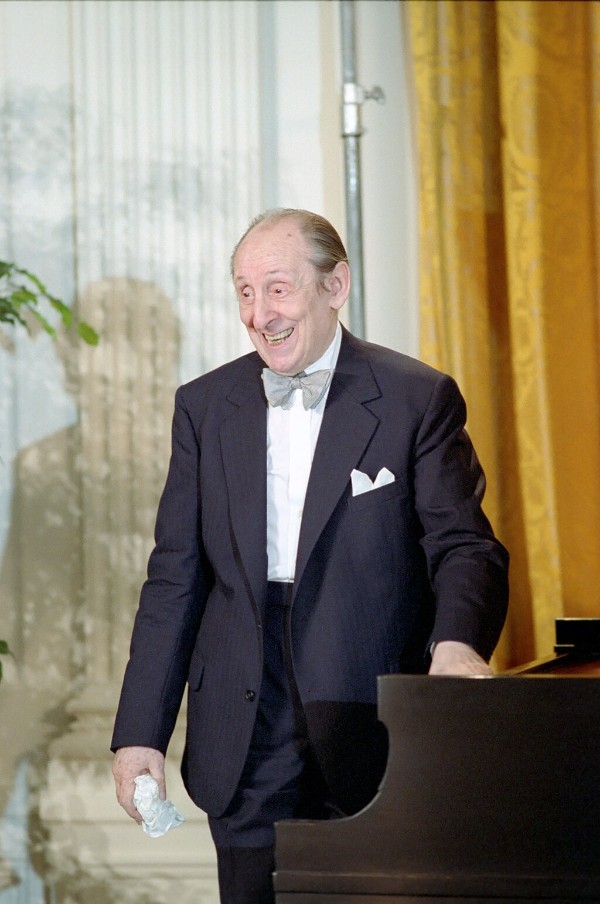
Vladimir Horowitz
Horowitz played it for decades, continually tweaking it over the years. He refused to ever print the score.
The piece was custom-made for Horowitz’s machine-like virtuosity. Over the course of a few minutes, he brought out rapid, repeated notes, huge, ringing percussive chords, crazed accents, and a relentless rhythmic propulsion.
It is as much a self-portrait as an arrangement: a theme from Carmen refracted through the lens of Horowitz’s terrifying, intimidating virtuosity. Few arrangements show off their creator’s spirit and abilities so brilliantly.
Franz Waxman – Carmen Fantasy (1946)
Composed for the 1946 Joan Crawford melodrama Humoresque, and dedicated to violinist Jascha Heifetz, Waxman’s work brought the concept of the Carmen fantasy into the age of cinema.
Unlike Sarasate, Waxman opted to create a single-movement work, weaving the themes together in a way Sarasate had chosen not to.
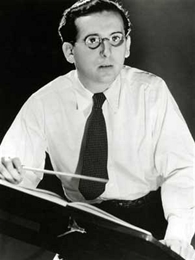
Franz Waxman
Franz Waxman: Carmen Fantasie (Jascha Heifetz, violin; RCA Victor Symphony Orchestra; Donald Voorhees, cond.)
The tempos were faster; the orchestral textures were denser; and the virtuosity, inspired by the examples of Horowitz and Heifetz, more demanding than ever.
Therefore, despite being rooted in a long concert tradition, the piece also carries the unmistakable imprint of the sound of mid-century Hollywood.
Rodion Shchedrin – Carmen Suite (1967)
Shchedrin’s ballet suite is the most radical reimagination of Carmen yet.
The music was written by Soviet composer and pianist Rodion Shchedrin (1932–2025) for a ballet starring his wife, prima donna ballerina Maya Plisetskaya.
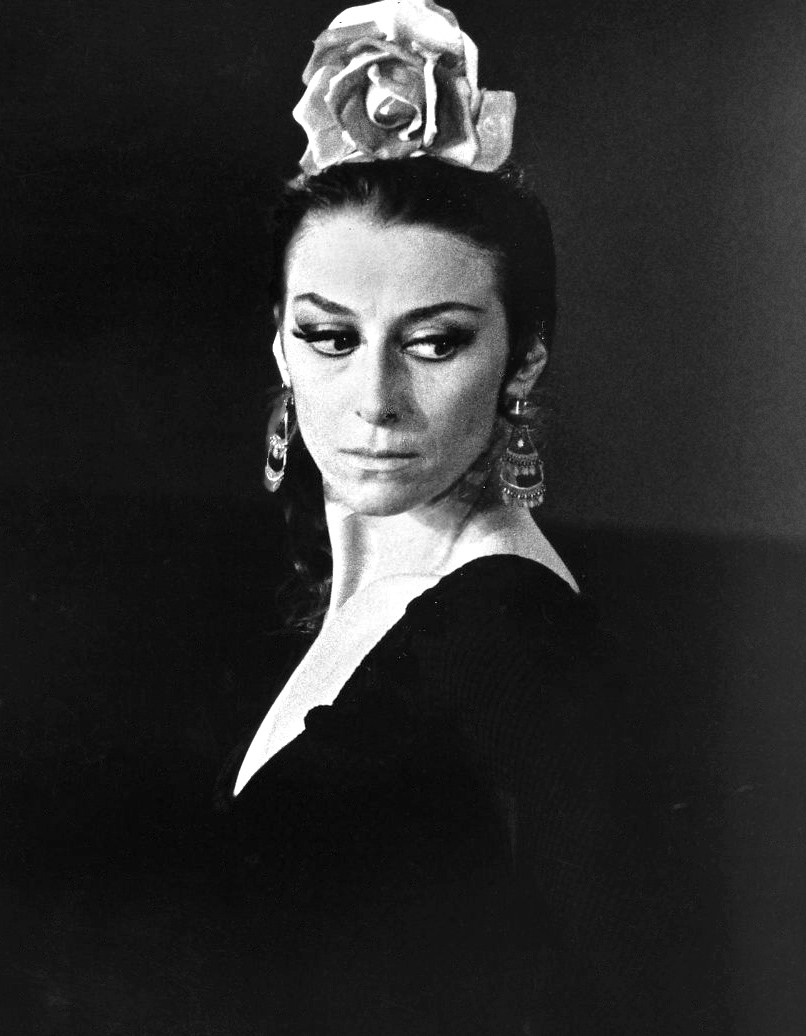
Maya Plisetskaya as Carmen, 1974
Scored for strings and an enormous percussion battery, it strips away lush orchestration and replaces it with biting rhythm, irony, and modernist edge.
It treats Bizet’s music with irreverent affection, proving that Carmen can survive radical reorchestrations and reimaginations – and even thrive.
Conclusion
Over the course of a century, these arrangements chart Carmen‘s transformation from unsuccessful opera to cultural touchstone.
Every one of these arrangements reflects its era’s aesthetics: Romantic lyricism, virtuoso display, modernist fragmentation, cinematic excess, postmodern irony.
Together, they demonstrate not just the durability of Bizet’s melodies but also their extraordinary adaptability. It’s a quality that few operas can match, and one that ensures Carmen‘s presence on stages far beyond the opera house.
For more of the best in classical music, sign up for our E-Newsletter