Since his win at the 2022 Van Cliburn International Piano Competition, Korean pianist Yunchan Lim has become one of the most talked-about young musicians in the world.
Despite his sudden superstar status, his public persona is somewhat enigmatic. He is famously quiet and soft-spoken, and doesn’t give many interviews.
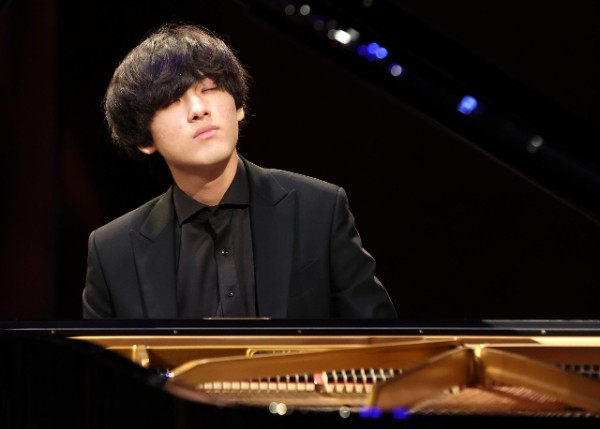
Yunchan Lim
However, we’ve scoured the Internet and gathered a number of them for this article. Here you’ll find his reflections on what it means to perform, what he thinks about to soothe his stage fright, and what he believes a pianist’s greatest achievement can be.
On his own musical talent:
I never thought I had musical talent in my life.
- Interview with Elijah Ho from The Counterpoints, 15 September 2022
On whether he was prepared for the Cliburn competition:
I don’t think I was in my best condition at the Cliburn competition. I entered the stage thinking about Carl Sagan’s ‘Pale Blue Dot’, but I couldn’t help being nervous and couldn’t show 100% of me.
- Interview with Elijah Ho from The Counterpoints, 15 September 2022
On why he almost had to withdraw from the Cliburn competition:
I might not have been able to participate in the competition due to COVID-19 before I went to the U.S., because three days before I left the country, I was so sick that I couldn’t do anything, because I suddenly had a cold. But it suddenly got better a day later, and the COVID test was negative, so I was able to participate in the end.
- Interview with Yulia Chaplina, EPTA Piano magazine, November 2022
Yunchan Lim’s Cliburn competition performance of Rachmaninoff’s Piano Concerto No. 3
On if pianists should also be composers:
Every pianist has to compose. I learned music [composition] at school for two years from Jeon Minje, a 2009 winner at the Queen Elizabeth competition, composition category. He told me that a pianist should compose and play his own music. If I can do that, I’ll do that.
- Interview with Elijah Ho from The Counterpoints, 15 September 2022
On whether pianists should improvise onstage:
I think every pianist can improvise. In fact, Horowitz and Rachmaninoff admired Art Tatum, and the Hungarian musician, Liszt, was also a master of improvisation. If you just do what you’ve practised, it causes tension, and you lose many possibilities on stage.
- Interview with Elijah Ho from The Counterpoints, 15 September 2022
On whether race impacts pianists’ ability to interpret music:
A great pianist from Japan can understand Rachmaninoff 100%, and a great pianist from India can understand Beethoven. Because this is music. If you try hard enough, you can understand everything about the composer. This is a matter of the individual, not race and nationality.
- Interview with Elijah Ho from The Counterpoints, 15 September 2022
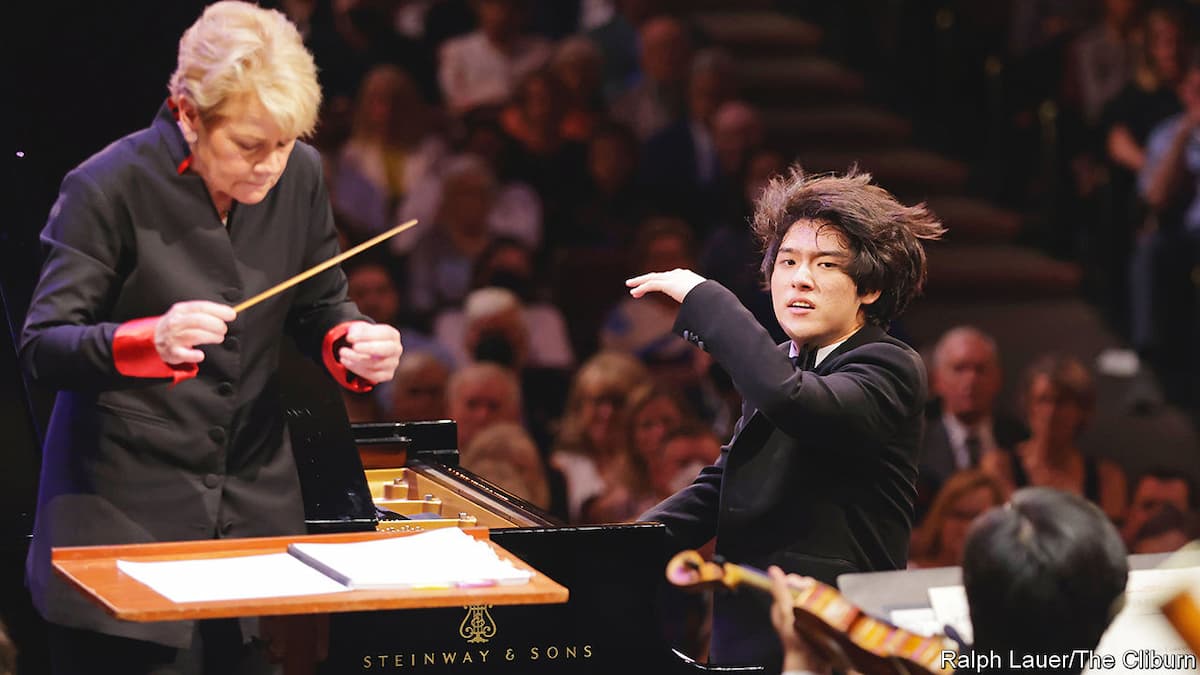

Yunchan Lim playing at the Van Cliburn Competition, with Marin Alsop as the conductor © Ralph Lauer/The Cliburn
On avoiding musical fads:
Yunchan Lim playing at the Van Cliburn Competition, with Marin Alsop as the conductor © Ralph Lauer/The Cliburn
I want to do something that’s become the root of a composer. When a pianist produces an album, and it becomes a hit, the others follow suit, and for some years, that composer or that repertoire is in fashion. That’s what I don’t want to do.
- Interview with Korea JoongAng Daily, 29 November 2022
Yunchan Lim’s recorded version of Chopin’s 12 Études, Op. 25, No. 1
On “the most beautiful moment” of music-making:
I think the most beautiful moment to taste music is when a musician practices in the practice room. The artist’s practice room is a space that creates various universes.
- Interview with Elijah Ho from the Mercury News, 17 September 2022
On what he feels when he sits down to perform:
When the stage doors open and the audience applauds, when I nervously sit down at the piano and press the first key, that moment is like the Big Bang for me. I’m nervous, but the image of the pale blue dot gives me courage. I just think of the moment as something occurring in that small little speck.
Why he wanted to make a studio recording instead of a live recording:
Of course, I admire all the live recordings of my illustrious predecessors, but for my debut album, I wanted to increase the quality of my work, so I could make a lot of takes and choose the best of them. There were two other advantages. One: I could exclude all external barriers and really enjoy the chance to explore the different interpretative possibilities. Two: although I was confined in a studio, I had four days to make the recording, allowing me to focus on the music without interruptions.
- Interview with Jeremy Nicholas from Gramophone, 20 May 2024
On which pianist made him stand in the road, amazed:
I first started listening to the great names when I was 13. My teacher recommended I listen to Friedman. I was walking home on my way back from school, and I was electrified. Shocked. I just stood there on the road, amazed by the freedom of the playing and then felt almost remorseful about my own playing. That was the moment when I became determined to improve my playing. Vladimir Sofronitsky was another. So was Mark Hambourg. And Busoni playing Chopin. These pianists are maybe not so familiar to the general public, but I strongly recommend that young artists like me should listen to them.
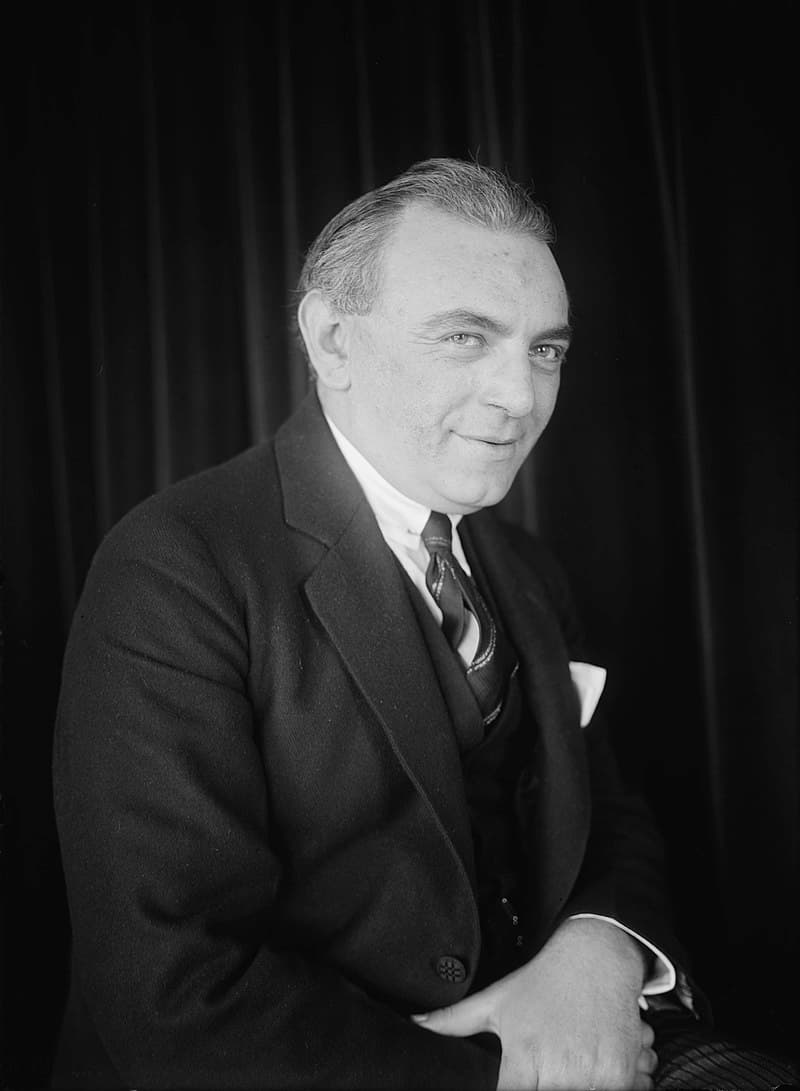
Ignaz Friedman
- Interview with Jeremy Nicholas from Gramophone, 20 May 2024
Ignaz Friedman plays Chopin’s Ballade No. 4
On what pianist he believes is the greatest:
Rachmaninoff. He is at the top of that list. I was nine when I first heard the recording of him playing Chopin’s Waltz. I was immediately struck by it. For me, he is the greatest, the most consummate musician.
- Interview with Imogen Tilden from the Guardian, 17 July 2024
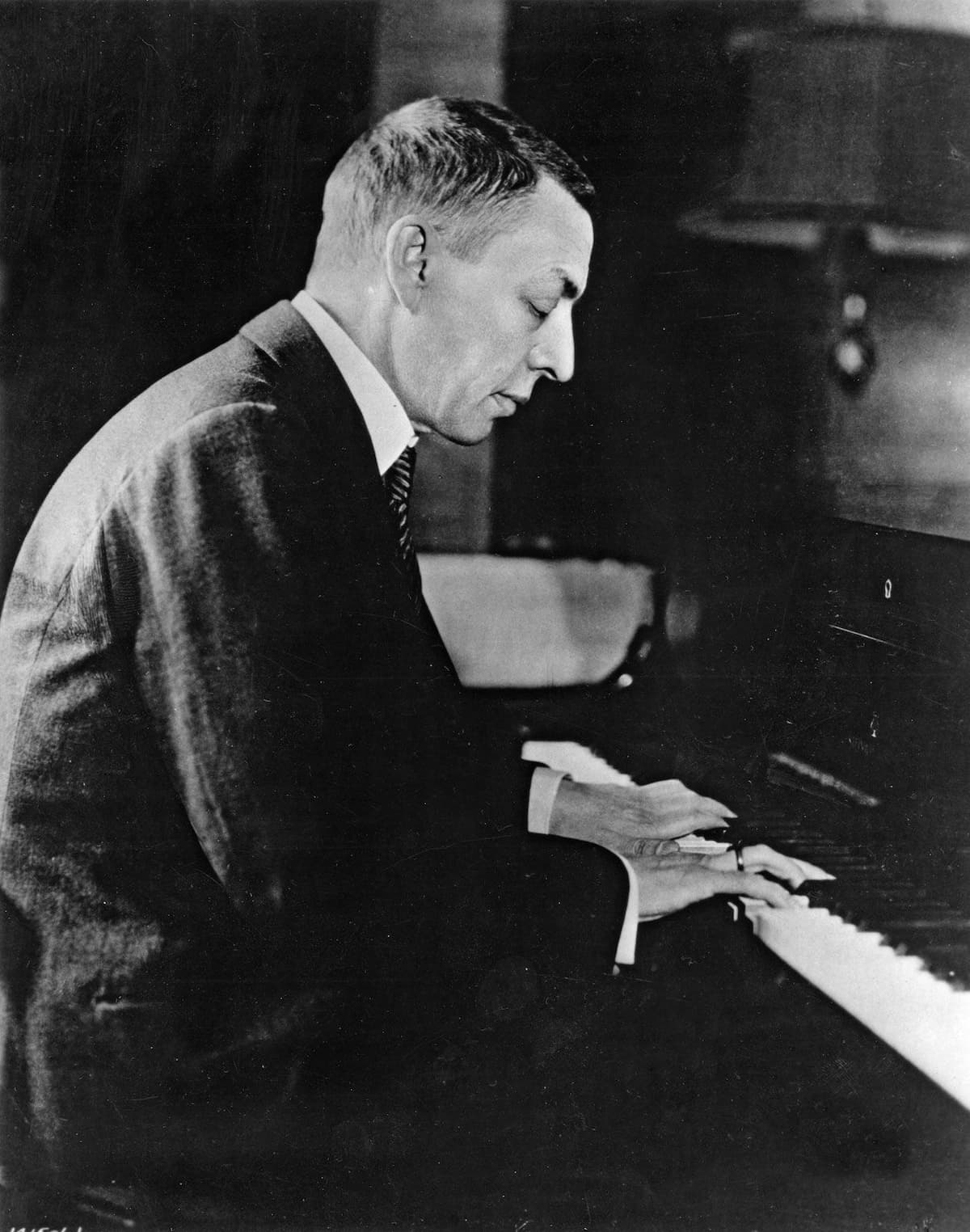
Sergei Rachmaninoff
On Beethoven’s Piano Concerto No. 5:
I think in this piece, Beethoven describes a utopia where everyone is equal, where everyone has freedom and hope. I try to create that world.
- Interview with Imogen Tilden from the Guardian, 17 July 2024
Yunchan Lim playing Beethoven’s Piano Concerto No. 5, Movement 3
On what his schedule looks like:
I eat around 8 or 9 o’clock, practice for about three hours in the morning, and eat again around 1 or 2 o’clock. Also, practice until just before eating dinner around 6 o’clock, then eat dinner, and if a bit more is needed, practice more.
- Interview with JTBC’s during “Yunchan Lim’s Classical Day Highlights”, 31 May 2024
Ch. 1: Yunchan Lim at Twenty – His piano and his friends
On two-pianist performances:
If two pianists are too mechanically aligned, the performance can feel tedious. But if they’re both too individualistic, the ensemble collapses. I don’t yet know what the perfect duo is — but I do know that when the piano sings, that’s when something special happens.
- Interview with the Korea Post, 7 August 2025
On what he believes should be his greatest achievement:
You know, I personally think winning a renowned competition is not a great achievement. I’ve put a lot of thought into what I can do as a pianist, and what would be a great achievement for me as a pianist. For me, a great achievement is to visit as many places, like hospitals, nursing homes and orphanages, to perform for those who have a lack of opportunities to listen to a great piano performance. I don’t want for them to buy tickets to come and see me in fancy venues. I should be the one who is there to perform for them. I think being able to do that as much as possible is the greatest achievement for a pianist. I will do my best to achieve that.
- Korea JoongAng Daily, 29 November 2022
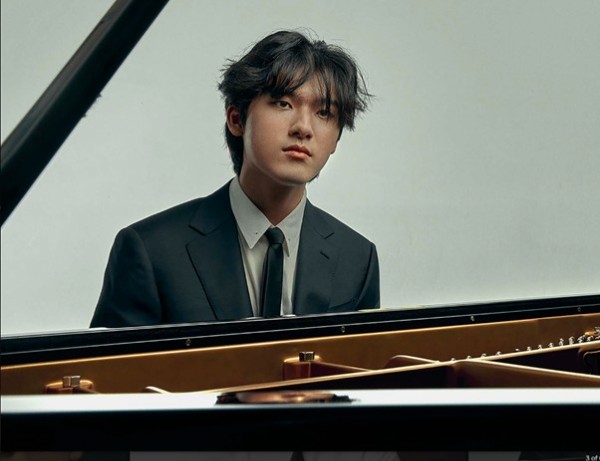
Yunchan Lim
On what kind of musician he wants to be:
“I want to be an artist who can play everything. I’d like to be a musician with infinite possibilities, just like the universe.”
- Interview with Imogen Tilden from the Guardian, 17 July 2024
For more of the best in classical music, sign up for our E-Newsletter