100 years ago, the Chinese film composer Huang Zhun was born in Huangyan, Zhejiang province, China. She composed music for more than 40 films and helped to create the musical language of early Chinese socialist cinema.
To commemorate her centenary, let’s explore how one of the first major female film composers in China shaped film music and audiences in the first decades of the People’s Republic.
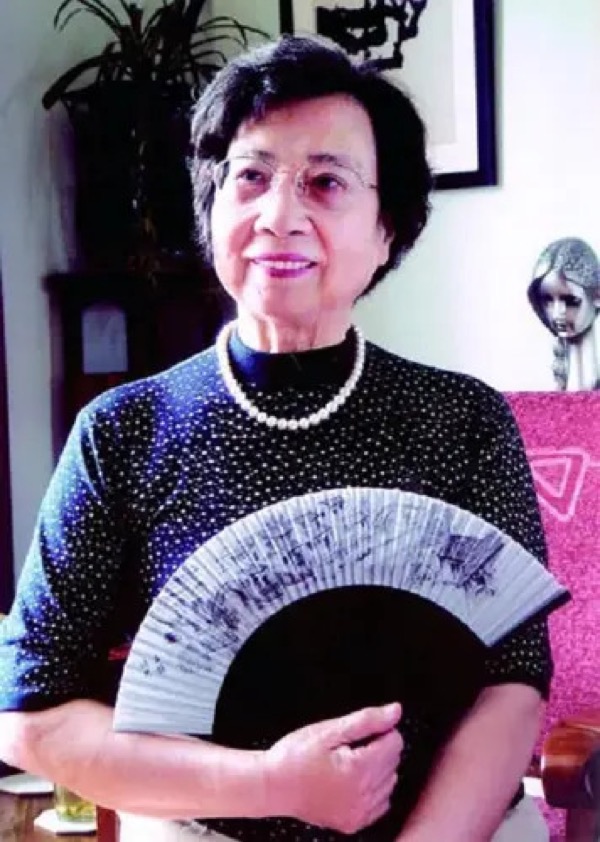
Huang Zhun
Watch The Red Detachment of Women (Ballet 1964) here.
What Nixon Heard in China
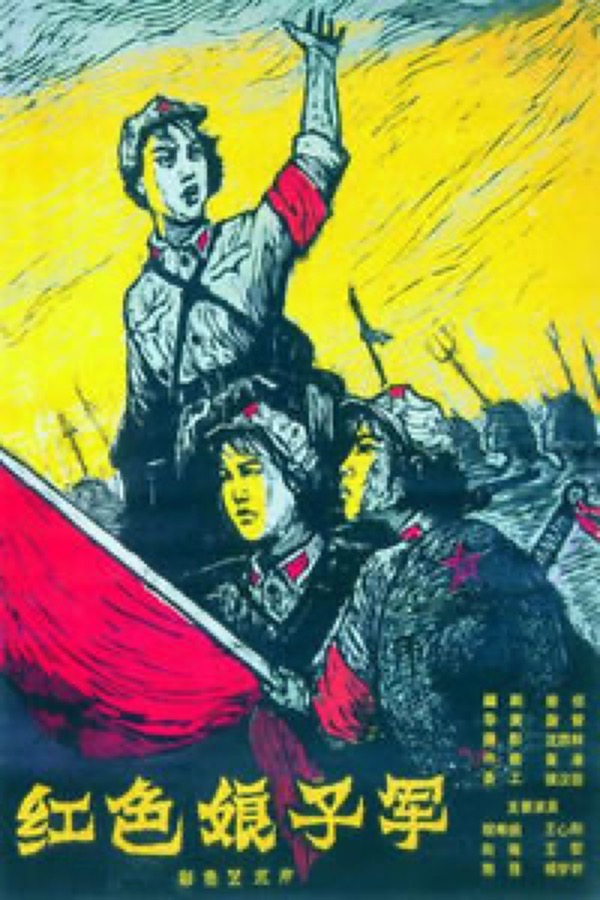
The Red Detachment of Women (1961 film)
On 21 February 1972, President Richard M. Nixon arrived in China for an official state visit. He was the first U.S. president to visit the People’s Republic of China since its establishment in 1949.
The principal aim was to establish a new strategic framework built on peaceful relations with Beijing and stability in Asia. Meeting with Chairman Mao and Premier Zhou Enlai, Nixon sought to relax Cold War tensions with the Soviet Union and to improve the geopolitical situation to end the Vietnam War.
In addition, both parties agreed to expand cultural contacts and to establish a permanent U.S. trade mission in China. Nixon called his visit “the week that changed the world,” and the repercussions of this historic occasion continue to this day.
During his visit, Richard Nixon and First Lady Pat Nixon, guests of Premier Zhou Enlai and Jiang Qing, also known as “Madame Mao”, attended a performance of the ballet The Red Detachment of Women. Nixon apparently greatly enjoyed the performance, but he probably didn’t know that the ballet version was based on the 1961 film The Red Detachment of Women.
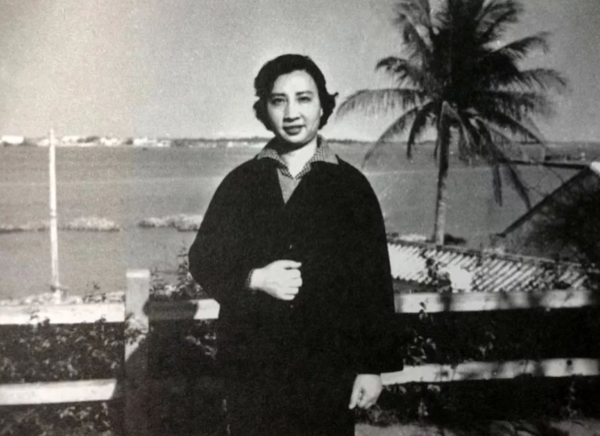
On location for The Red Detachment of Women
The Red Detachment of Women (1961)
Shaping the Sound of Chinese Cinema
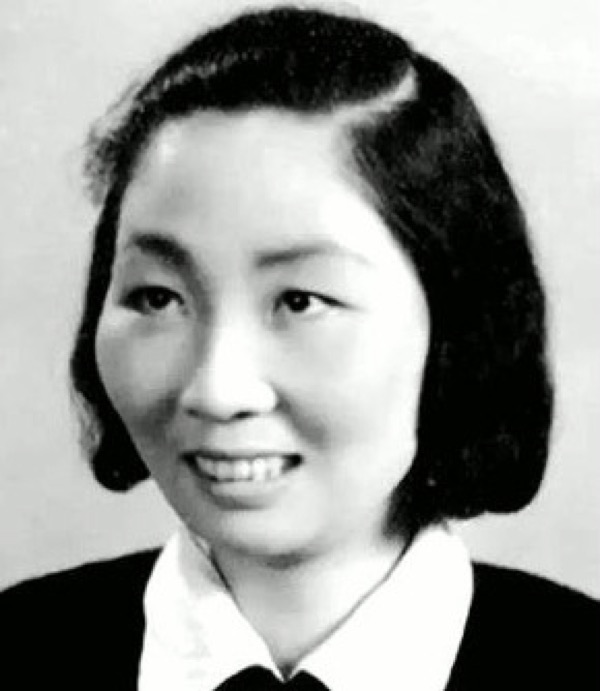
Huang Zhun
The music for that film was composed by Huang Zhun, with the material later adapted and arranged into the famous ballet version. Huang Zhun was born in Huangyan on 25 June 1926, and later used the name Huang Shangyan before becoming known professionally as Huang Zhun.
She entered the Lu Xun Academy of Fine Arts in Yan’an as a drama student in 1938, but the following year she began to study singing and composition with Xian Xinghai, Lü Ji, and Zheng Lücheng. As a mezzo-soprano and actress, she took part in many performances addressed to mass audiences.
Huang Zhun’s professional path paralleled the formative years of Communist cultural institutions. She joined the Dalian Art Work Group in 1946 and became part of the Northeast Film Studio in 1947. She composed her first film score, Leaving Him to Fight Lao Jiang, in 1948, which is described as one of the first feature films produced in Communist-controlled areas during the civil war period.
In 1949, following the founding of the People’s Republic of China, she was appointed resident composer at the Beijing Film Studio and in 1951 became resident composer at the Shanghai Film Studio. She was part of the first generation of film composers trained in the new China, shaping the sound of post-1949 Chinese cinema.
Huang Zhun: Woman Basketball Player No. 5
Melodies That Outlived the Screen
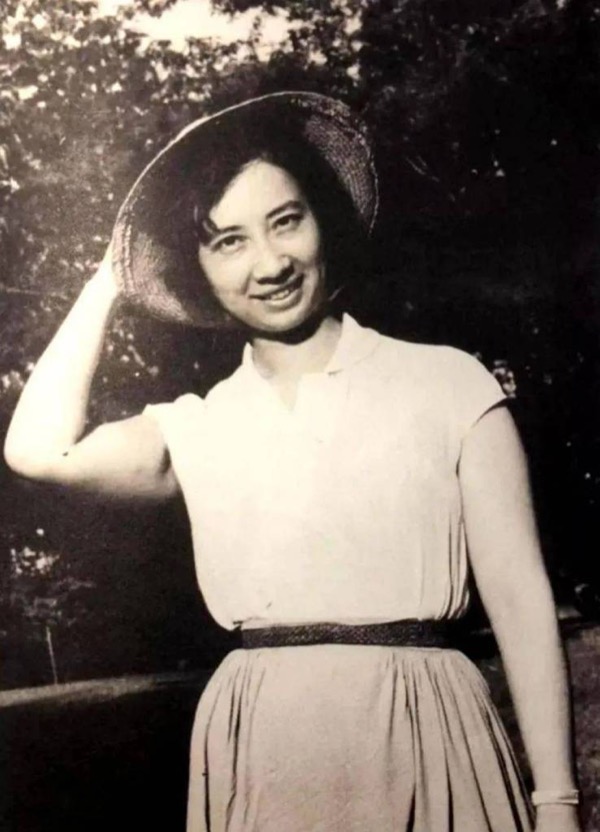
Huang Zhun in her younger years
Her film scores, often based on Chinese folk musical materials, became highly influential in Chinese cinema. Besides the Red Detachment of Women, generally considered her best-known score, Woman Basketball Player No. 5 was a landmark sports drama, and Two Sisters on the Stage was one of the most artistically respected Chinese films of the 1960s.
Huang Zhun also wrote music for animated films, such as The Fishing Kittens, the source of a highly popular children’s song still taught in educational settings today. Her mellow melodies moved fluidly between film soundtracks and patriotic songs, creating emotionally direct music aimed at a wide audience. Aside from her work in film music, she also composed more than 200 songs, many of them still widely known.
She held senior positions in Chinese musical institutions and received a Lifetime Achievement Award in 2009. Her autobiographical and musical writings reflect on both composition and cultural life. Huang Zhun died in Shanghai in 2024, and millions of Chinese listeners have encountered her flowing melodies in film, radio, and educational settings.

Huang Zhun
For more of the best in classical music, sign up for our E-Newsletter