
The combination of the Prelude and Fugue seems to be a particularly 18th-century construction. The two works should be in the same key and have different compositional rules: the Prelude as an introductory piece, sometimes of an improvisatory nature, and
Archives

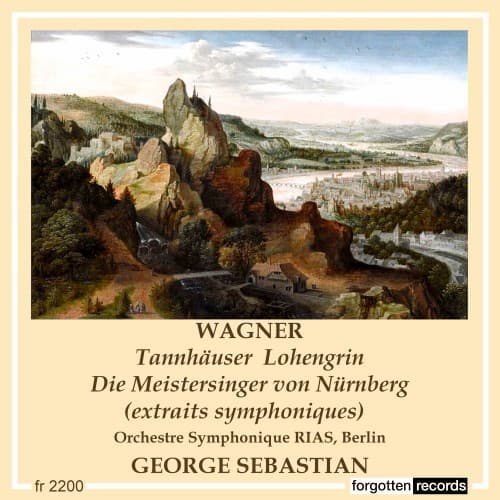
In his opera Tannhäuser, Richard Wagner (1813–1883) combined two German legends, that of the German Minnesänger and poet Tannhäuser, and the story of the Wartburg Song Contest. Although the contest is the surface, the story is really about the battle
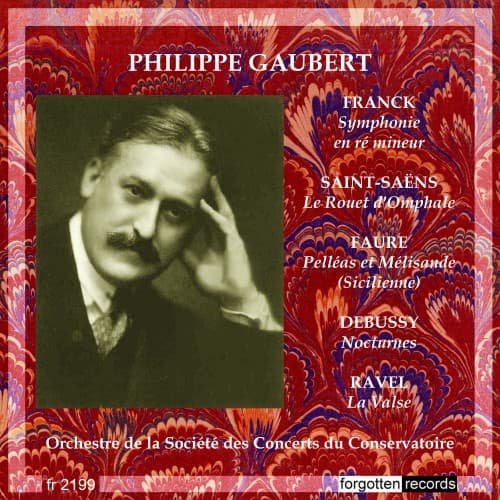
In the 1870s, Camille Saint-Saëns (1835–1921) wrote a set of symphonic poems on classical subjects, including Phaéton, Danse macabre, La jeunesse d’Hercule, and Le Rouet d’Omphale (The Spinning Wheel of Omphale), which tell of an episode in Hercules’s life. Omphale
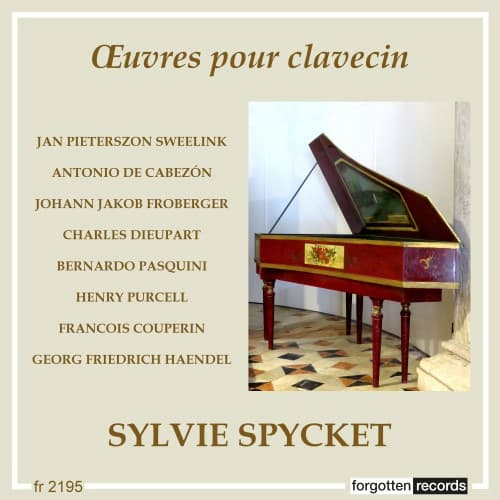
Gold from the New World flooded Spain in the 16th century, and musical culture followed it. Charles V travelled with his capilla flamenca, his Flemish chapel that accompanied him around Spain and into his northern empire. Singers and composers of
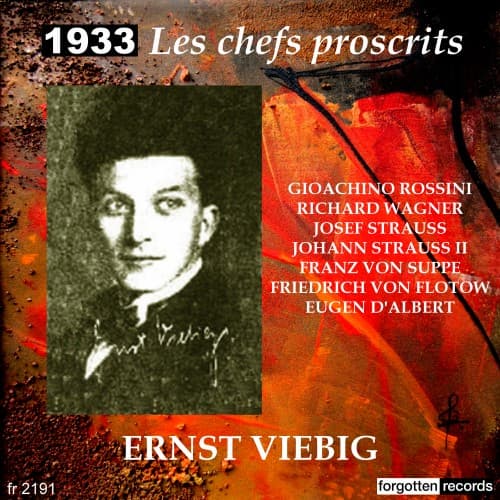
Three of Rossini’s operas mark turning points in his development as an opera composer. Semiramide, Guillaume Tell, and La gazza ladra (The Thieving Magpie) each gather up a summary of his operatic development to that point and are made into
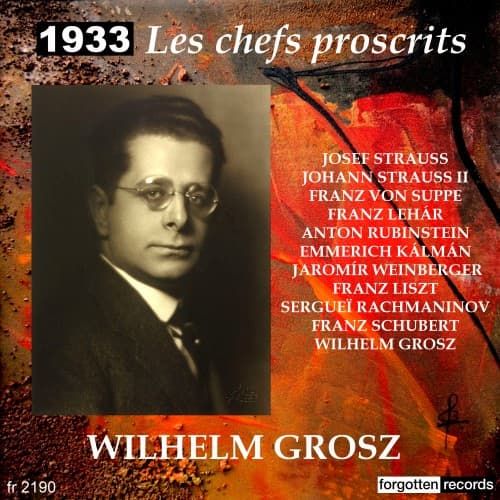
The 1850s and 1860s were the start of operetta on the stages of Vienna. Following Jacques Offenbach’s lead, Austrian composer Franz von Suppé (1819–1895), who came to Vienna from present-day Croatia in 1840, found his career first in conducting and
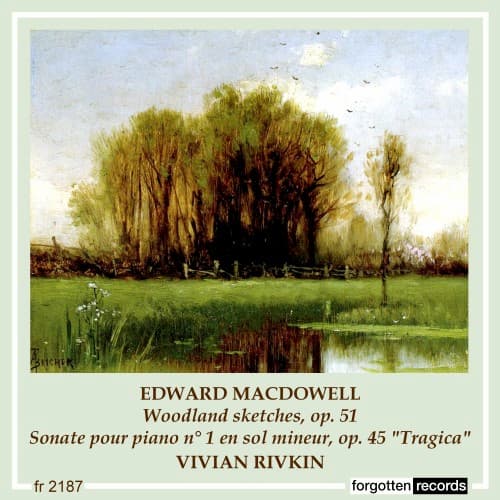
American composer Edward MacDowell (1860–1908) was a talented child, pursuing his interests in art, writing, and music. He started his piano lessons at age 8 with a family friend, who also encouraged his compositional skills. At age 15, he went
Opera overtures, as a separate genre of classical music apart from their operas, are tied with the history of the symphony and the overture. In the 17th century, a musical form called the ‘overture’ started in France, associated with the