
In the summer of 1800, Beethoven took quarters for himself and a servant in a house in the village of Unter-Döbling, about one hour walk from Vienna City Center. Beethoven habitually escaped the oppressive heat of the inner city during
In essence
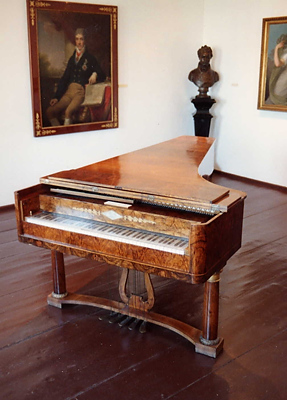
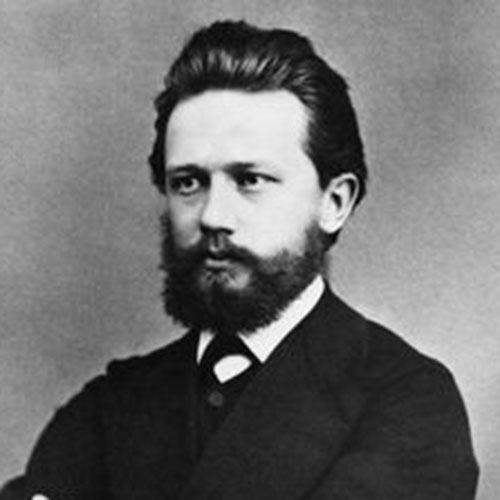
Because of its brevity and seeming simplicity, the “Lied ohne Worte” became a musical and technical test bed for a good many aspiring composers. In addition, it could deliberately, or as was the case with Pyotr Ilyich Tchaikovsky, inadvertently express

When Francis Poulenc described the musical scene in wartime Paris to musicologist André Schaeffner, he singled out two composers who took notice of modern trends. One was unsurprisingly Olivier Messiaen, who was forging ahead with a “synthetic modal techniques within
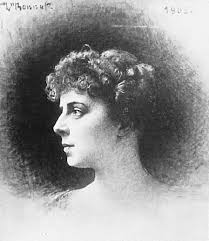
Biographers have suggested that Gabriel Fauré “always retained a great affection for his wife Marie Frémiet.” She did have, it was said, a withdrawn, bitter and difficult character. Combined with Fauré’s keen sensuality and desire to please, it possibly helps
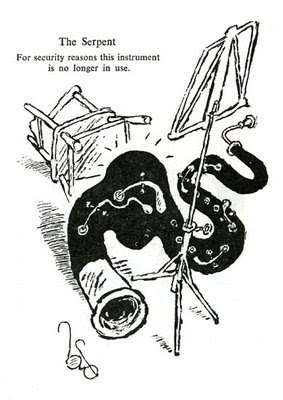
One of the delights of the 2003 movie Les Triplettes de Belleville was the nightclub scene where the triplets, who had been stars of the French music halls in the 1930s, take the stage in their very old age with

A good many commentators consider Gabriel Fauré the “greatest master of French song.” He composed stylish and elegant melodies, etched with sleight-of hand urbanity. His music flows effortlessly, “magically combining Monet’s liquid cool with the warmth of a Pisarro landscape.”
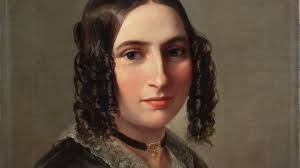
It is probably not common knowledge that the composer Charles Gounod and Fanny Hensel—sister of Felix Mendelssohn—met in Rome in 1839. Gounod had just been awarded the Prix de Rome and a scholarship to spend 12 months in the Eternal
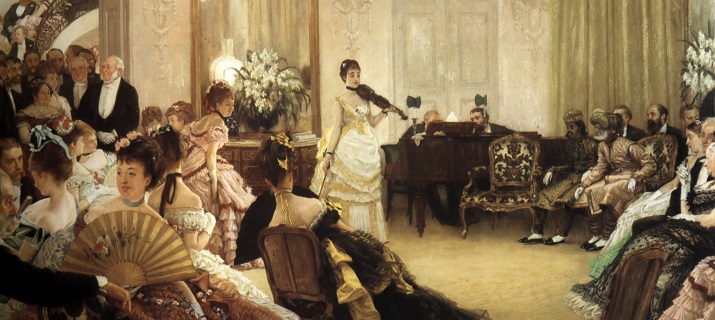
Contemporary accounts all agree that Gabriel Fauré was extraordinarily attractive. “He had a dark complexion, a somewhat distant expression of the eyes, a soft voice and gentle manner of speech that retained the rolled provincial ‘r’, and a simple and