
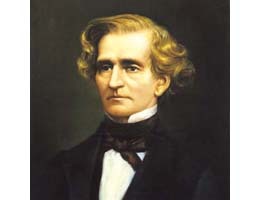
On December 11, 1803, Hector Berlioz (1803-1869), who might be considered one of the fullest embodiments of the Romantic Movement, was born in a small provincial town in the French Alps. In his memoirs, he detailed with great clarity and
In essence
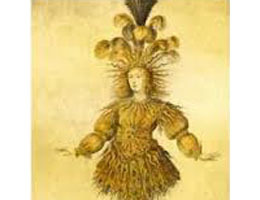
Jean-Baptiste Lully Marche des Mousquetaires du Roy de France Trios pour le coucher du Roi For countless centuries, monarchs, royalty and nobility carried cognomens, that is, nicknames appended either before or after their real names. Frequently these monikers made reference
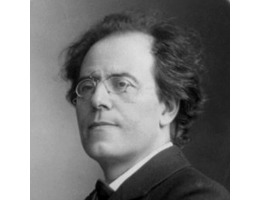
In November 1901, Gustav Mahler (1860-1911) first met Alma Schindler, Vienna’s most eligible Bachelorette. Stepdaughter of the painter Carl Moll, Alma took painting lessons from Gustav Klimt and composition lessons from Josef Labor and Alexander Zemlinsky, with whom she also
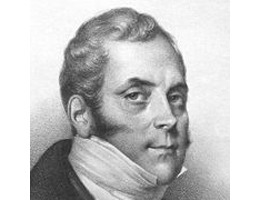
During his tenure in Magdeburg (1834-6) and Riga (1837-8), Richard Wagner rehearsed and conducted the opera La muette de Portici (The Mute Girl of Portici). Composed by Daniel François Esprit Auber to a libretto by Augustin Eugène Scribe — one
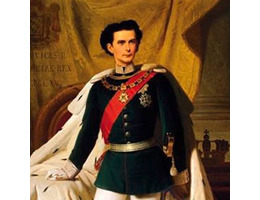
Having been unceremoniously evicted from Mr. Wesendonck’s Zürich property, Richard Wagner aimlessly wandered around Europe. He was clearly depressed, as none of his grand musical ambitions had yet been realised, and as usual, he had no money. He had also
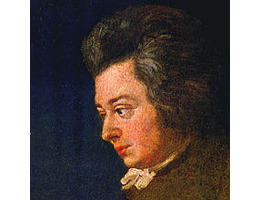
Here is a little trick question; see if you know the answer? What major composition by Wolfgang Amadeus Mozart had to wait 147 years after his death before it was performed again? The answer is truly amazing as it involves
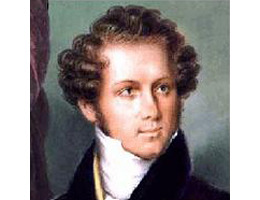
By 1834, Richard Wagner was not only honing his musical and dramatic skills, he was also starting to express himself in a series of essays. In his article Die Deutsche Oper (German Opera), published in Laube’s Zeitung für die elegante
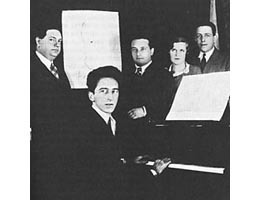
Hot on the heels of the shocking notoriety achieved with Parade, Jean Cocteau went to work on a surrealist spectacle entitled The Wedding Party on the Eiffel Tower. He described it as a sort of secret marriage between Ancient Greek