
Johann Sebastian Bach was a ferocious musical cannibal! He habitually borrowed from himself and others in order to adapt a composition to a particular performing venue or occasion. In 1729 he was appointed director of the Collegium Musicum in Leipzig.
In essence

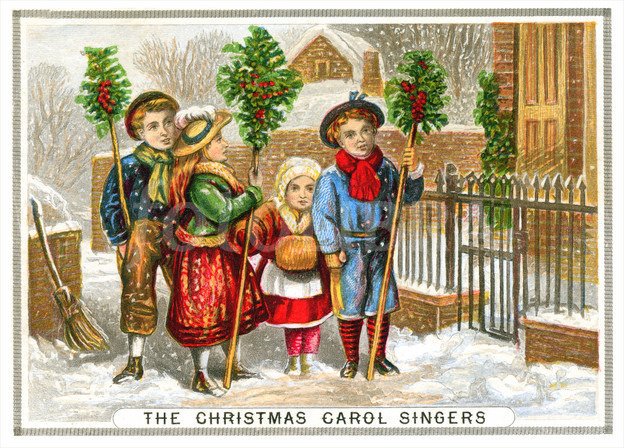
It’s getting chillier, the morning air is brisk, there might even be snow, and with that, our thoughts turn toward the holidays. But we find that the thing that helps us with that holiday feeling is the sound of the
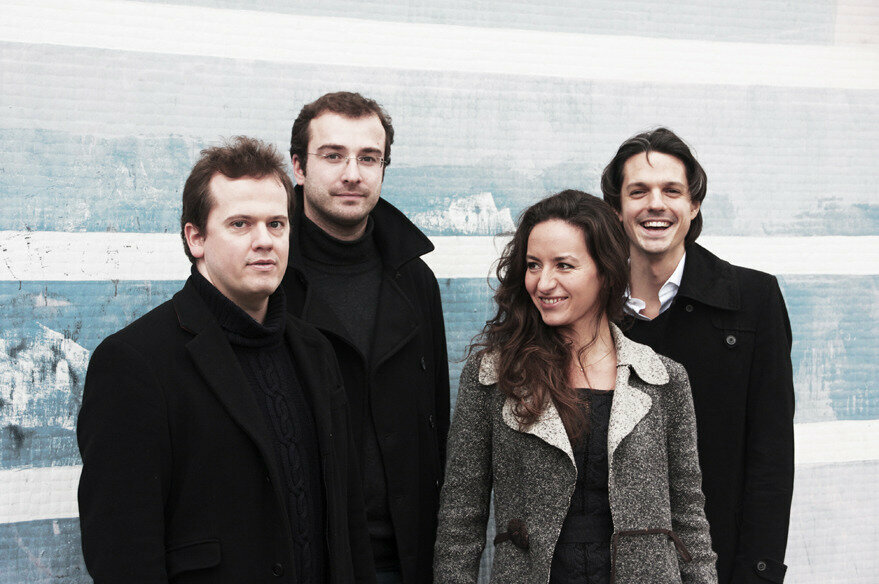
The art of the transcription has been with us for centuries, coming into play whenever someone tried to play a work written for one instrument on another. We were listening, the other day, to a recording of J.S. Bach transcribed
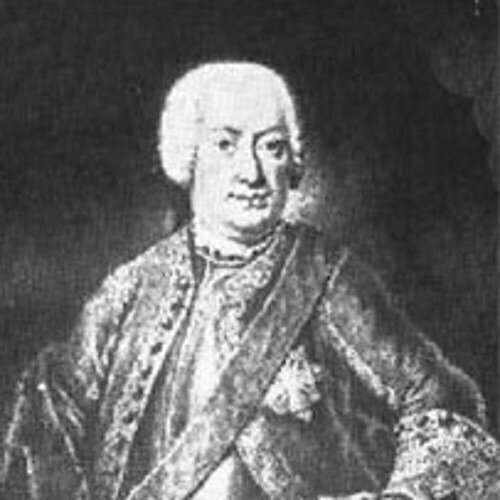
Every music lover knows the Goldberg Variations by J. S. Bach! But who was this Goldberg, who so famously lent his name to one of the most remarkable compositions in the history of Western music? The story of how this
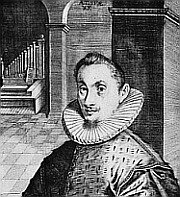
Born 450 years ago, Hans Leo Hassler (1564-1612) was the first notable German composer to broaden his musical horizon by studying in Italy. Not surprisingly, Hassler went to the city of Venice to experience the thriving musical environment surrounding the
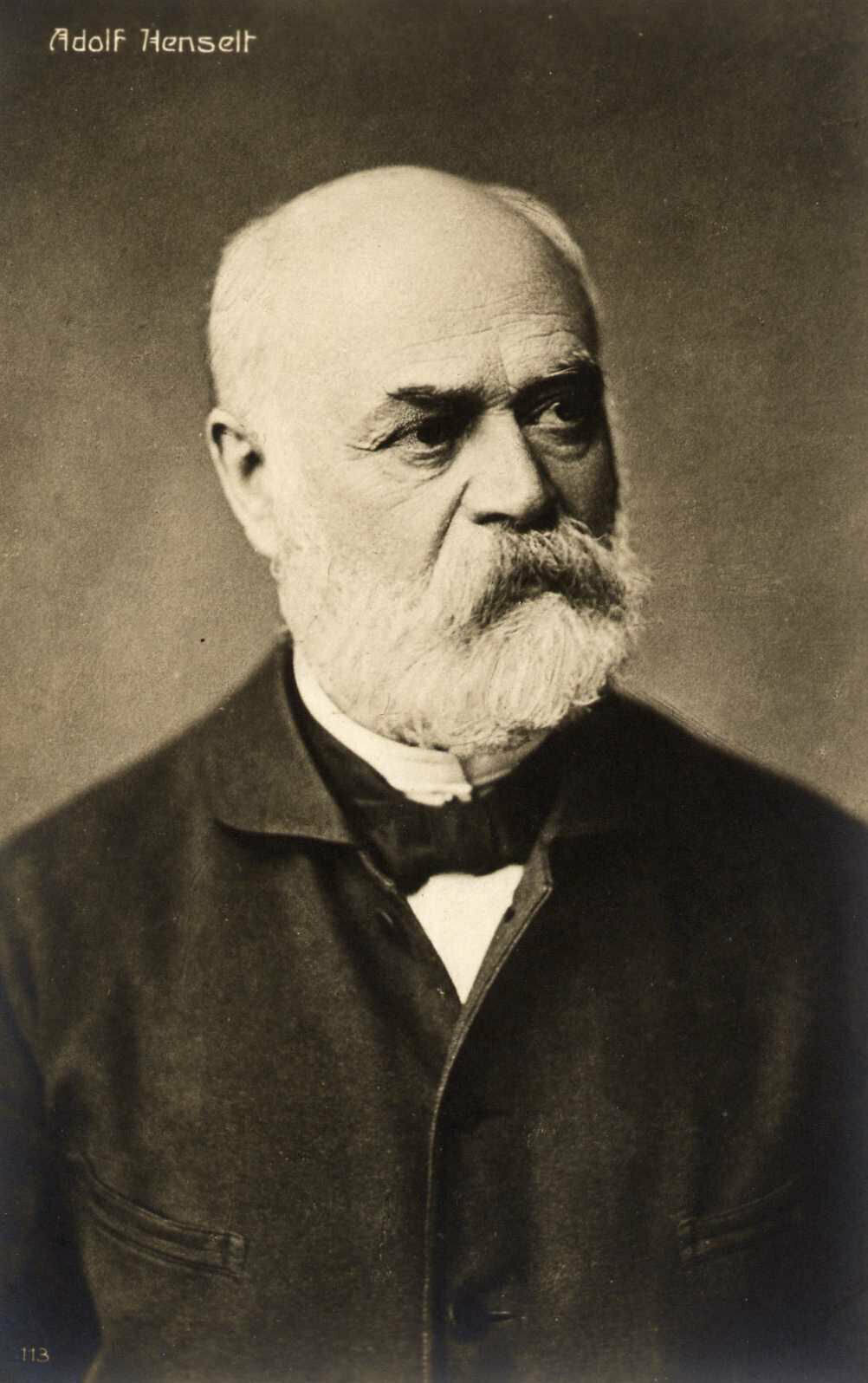
In 1836, the exceptional pianist and composer Adolf von Henselt suffered a severe nervous breakdown. After taking a number of cures in local spas and private hospitals, Henselt decided to visit his old teacher Johann Nepomuk Hummel in Weimar. Hummel
When people see the name Anton Webern on a concert bill, they habitually run for cover! But Webern would not be Webern if he hadn’t studied the old masters during his student years at Vienna University. In fact, he studied
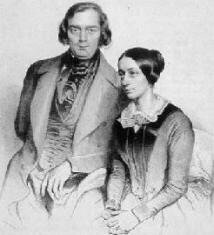
Robert Schumann composed in intense spurts of creative hyperactivity, generally focusing on a single genre. When he locked himself into his Düsseldorf study in October 1851, Clara Schumann excitedly reported in her diary. “Robert is working away on something new.