
“Minors of the Majors” invites you to discover compositions by the great classical composers that for one reason or another have not reached the musical mainstream. Please enjoy, and keep listening!
In essence
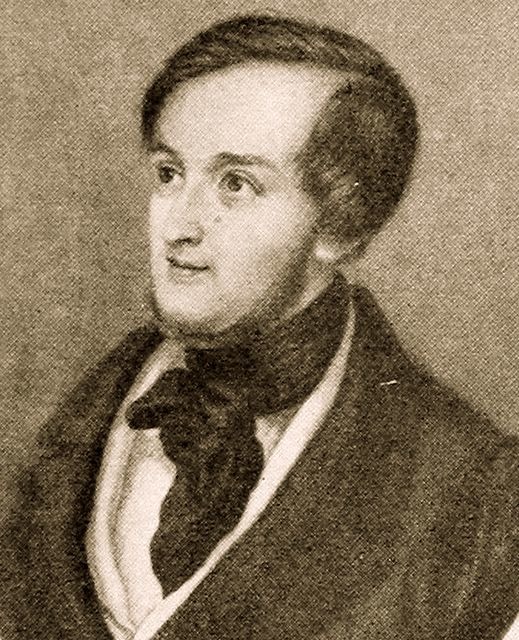
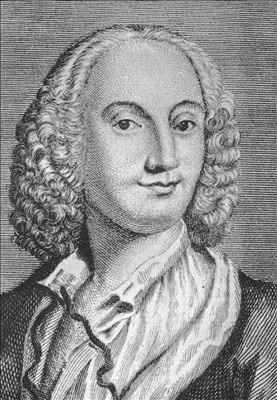
An impresario working in the late 17th century was solely responsible for running all the artistic and business matters of the theater. He rented the house, negotiated and signed contracts with everyone connected with productions. Singers, instrumentalists, technical staff and
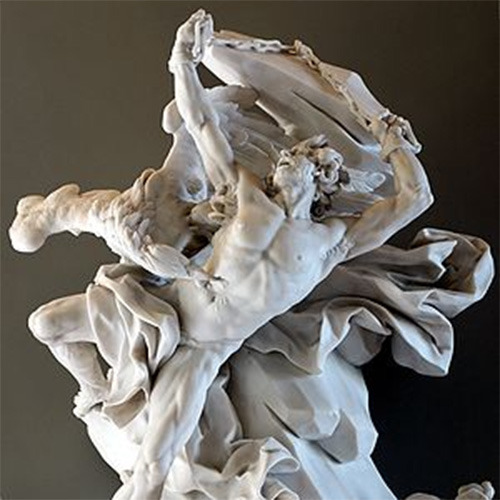
We don’t often think of Beethoven as a composer for the ballet – as an original composer, that is, rather than having his music used in later times for ballet. In 1801, however, Salvatore Viganò (1769-1821) came to Vienna and

Ottorino Respighi (1879-1936) started working on his Tre Preludi sopra melodie gregoriane (Three Preludes on Gregorian Melodies) in 1919, finishing them in 1921. His wife, Elisa Olivieri-Sangiacomo, had brought Gregorian chant to his attention.
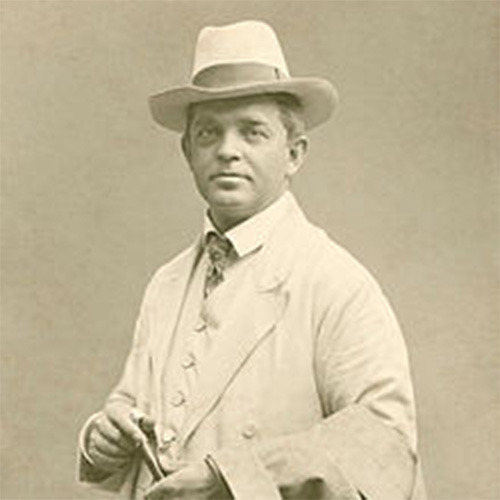
One of the fundamental beliefs of Greek medicine, and one that extended up to the 19th century and the beginnings of modern medicine, was that of the four humours that regulated the body. The four humours were the four liquids
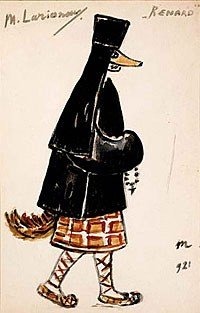
Renard, the Fox, is a long-established character in the folk tales of many countries. He’s reputed to be sly, be a creature cunning and trickery. Stravinsky took up the character in his comic masterpiece Renard, or, to give it its
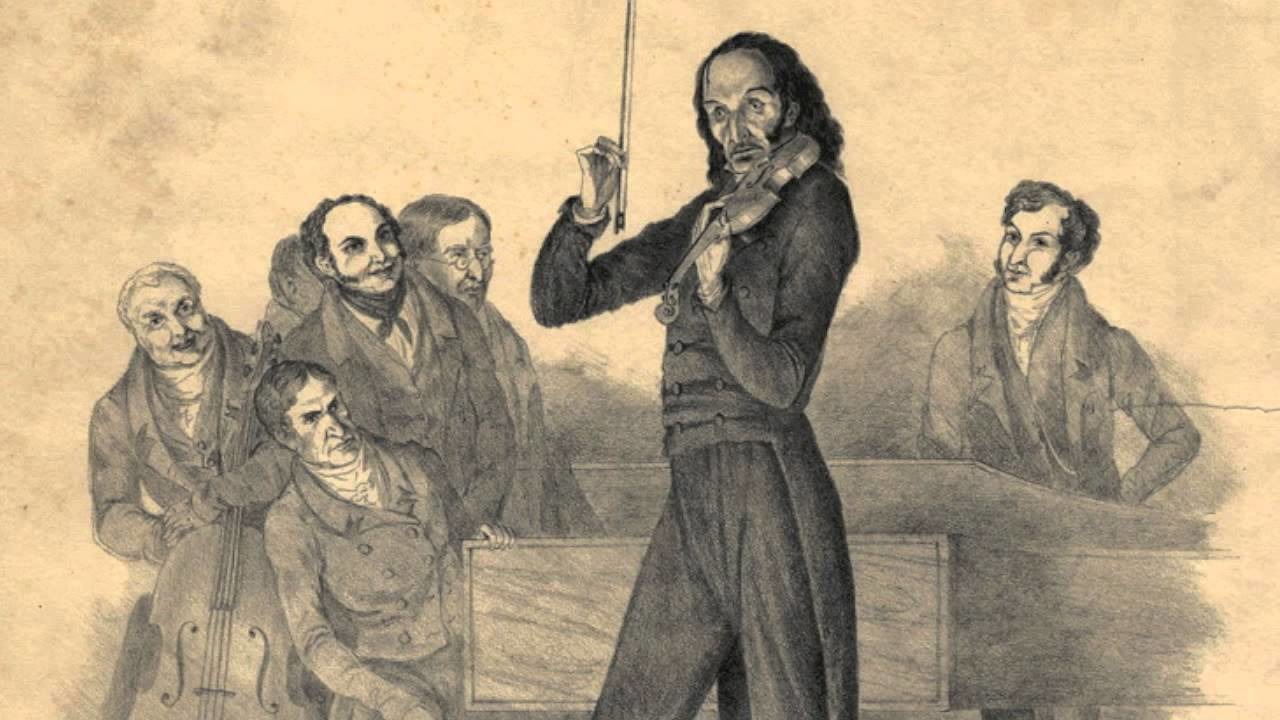
“Minors of the Majors” invites you to discover compositions by the great classical composers that for one reason or another have not reached the musical mainstream. Please enjoy, and keep listening! Niccolò Paganini (1782-1840) is customarily credited with representing the
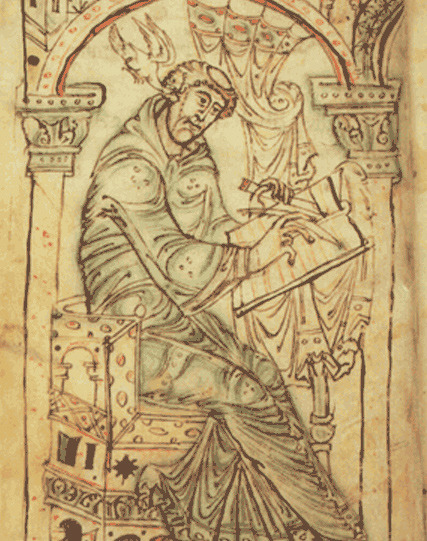
Pope Gregory I (540—604) was something of a religious superstar during his days. A talented administrator who initially served as a prefect of Rome, he eventually managed to establish papal supremacy. This doctrine assured supreme and universal power over the