
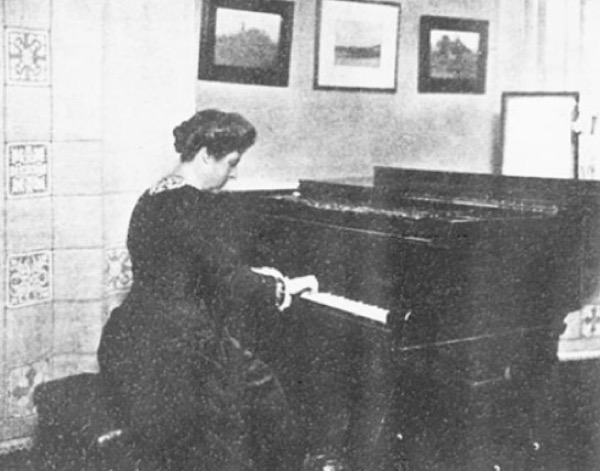
Clara Schumann is remembered today as one of the greatest pianists of the nineteenth century – but her influence didn’t end with her own performances. Over the course of her career, she taught hundreds of students, shaping the next generation
Blogs
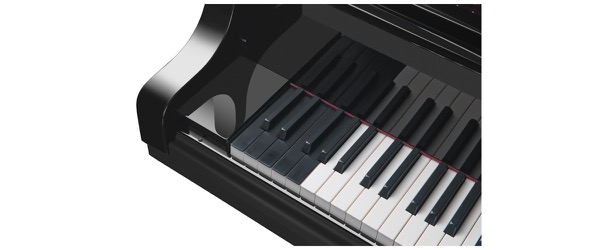
The piano as we know it today, an 88-key behemoth in black, is the result of innovation upon innovation since the first invention of the ‘fortepiano’ by Bartolomeo Cristofori in 1700. The fortepiano (meaning ‘loud soft’) was the next development
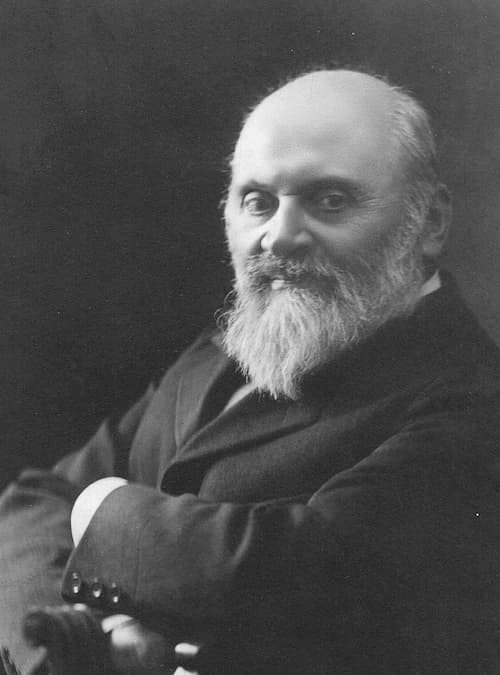
In our previous episode on forgotten Romantic piano concertos, we discovered unexpected and wonderful music by Berwald, Rimsky-Korsakov, Chaminade, Moszkowski and Paderewski. These much-neglected nineteenth- and early twentieth-century piano concertos and concertante works have been brought to light in 87
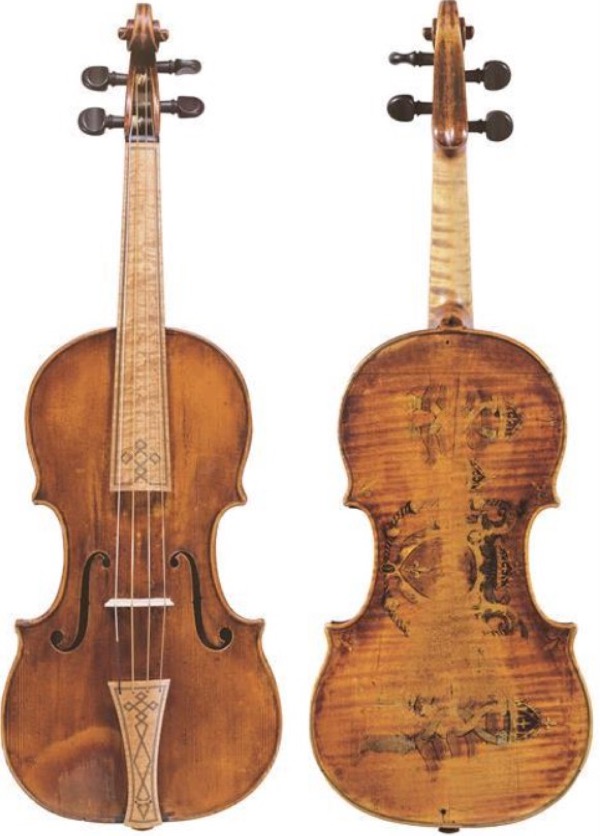
What is the oldest violin in the world? The answer is almost certainly sitting in a museum in Cremona, Italy – and it has a story worthy of the title. Built around 1566 by Andrea Amati, the founding father of
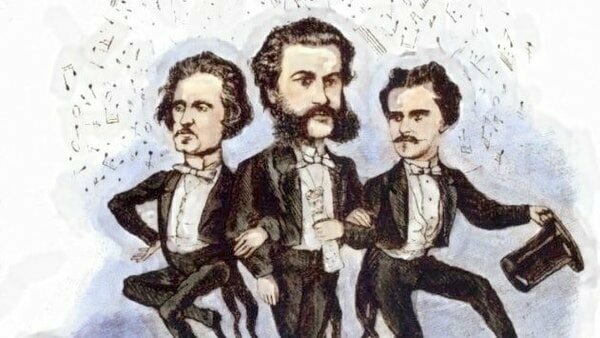
Classical music has given us some of history’s most complicated fathers. Some were domineering, some were absent, some were both – and a few managed, despite everything, to be genuinely devoted. From Leopold Mozart, who shaped one of the greatest

When people talk about Baroque music, names like Bach, Handel, and Vivaldi usually dominate the conversation. However, in the early eighteenth century, Antonio Caldara was widely regarded as one of Europe’s greatest composers. Born in Venice in 1670, Caldara built

The earliest classical recordings offer modern listeners a priceless gift: a direct line to performers who lived during or shortly after the lifespans of the great composers. These eight early classical recordings, made between 1901 and 1907, capture castrati, legendary

The piano was invented at the turn of the eighteenth century by a craftsman from Padua, Italy, named Bartolomeo Cristofori. Decades later, German instrument builder Gottfried Silbermann picked up where Cristofori left off – refining the design, championing the instrument