
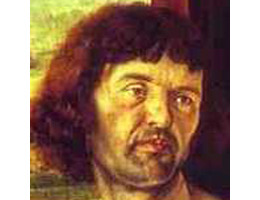
Wilhelm Furtwängler had asked Paul Hindemith to write an orchestral work for the Berlin Philharmonic’s 1933/34 season – just at the moment when Hindemith had decided to write an opera based on the famous Isenheimer Altar (now in the Unterlinden
Painting
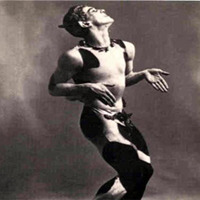
The current exhibition at the National Gallery of Art in Washington, D.C. “Diaghilev and the Ballets Russes, 1909-1929: When Art Danced with Music” brings into focus one of the most productive eras in the arts, in which poetry, art, theater,
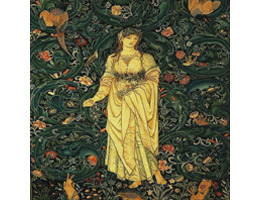
A recent exhibition of major works by the Pre-Raphaelite painters at the National Gallery in Washington, D.C. brings into focus the close relationship between painting, poetry and music which existed throughout much of the 19th century.
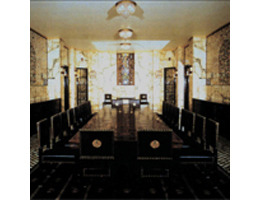
Fin-de Siècle Vienna’s ‘Second Generation’ Art and Music In his opus, ‘Der Mann ohne Eigenschaften’ (The Man without Qualities) the Austrian writer Robert Musil, considered by many the Marcel Proust of Fin-de-Siècle Vienna, stated that Austria’s intellectuals, artists and writers
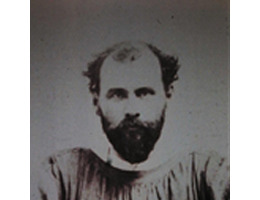
Gustav Klimt started his career as architectural decorator just as the Ringstrasse program of monumental building entered its final phase – in fact, he had been hired to decorate the interior staircase of the Fine Arts Museum. He subsequently became
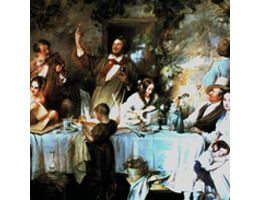
Ravel’s composition ‘La Valse’, written at the close of World War I, can be seen as a parable of the violent death of 19th century Vienna – with “the waltz, long a symbol of gay Vienna, becoming in the composer’s
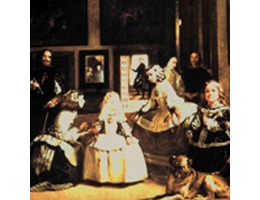
Frederic Rzewski “The People United Will Never Be Defeated” (1975) Stephen Drury, piano J. S. Bach Goldberg Variations BWV988 (1741) Glenn Gould, piano (1955) Beethoven 33 Variations in C major on a Waltz by Diabelli, Op. 120, “Diabelli Variations” (1819)
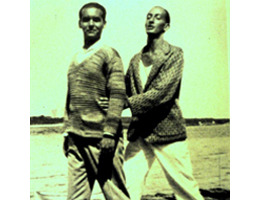
Canción de Jinete Córdoba Lejana y sola. Jaca negra, luna grande, Y aceitunas en mi alforja. Aunque sepa los caminos yo nunca llegaré a Córdoba Por el llano, por el viento Jaca negra, luna roja. La muerte me está mirando