
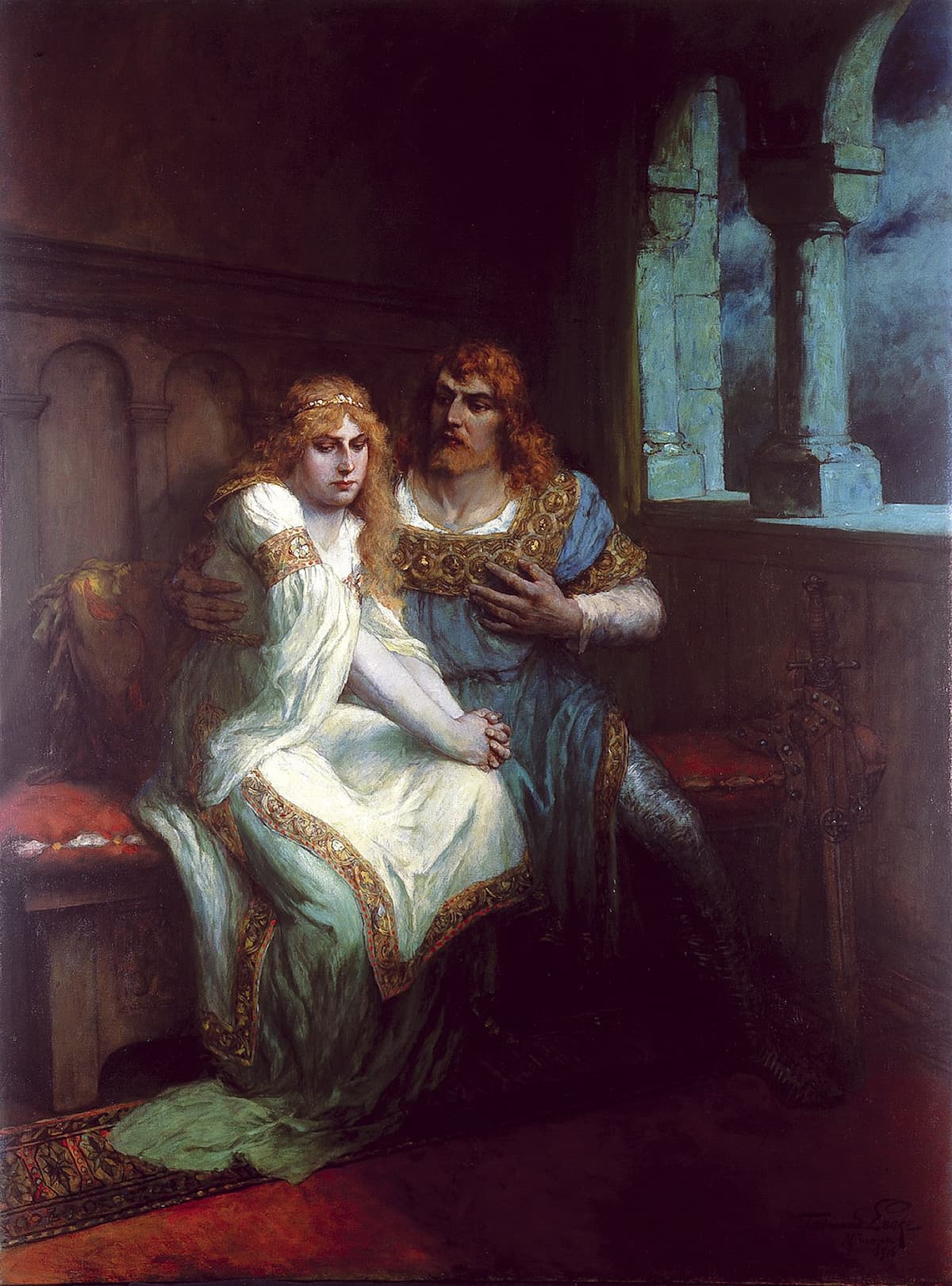
As soon as Richard Wagner had put the finishing touches on Lohengrin on 28 April 1848, he got embroiled in the revolutionary stirrings of the 1848 Revolutions. In Dresden, barricades were erected and the king presented with demands for democratic
On This Day
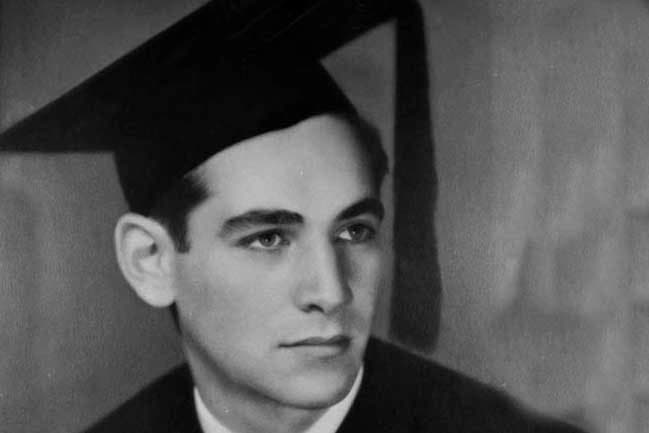
Once Lenny Bernstein, born on 25 August 1918 had graduated from Boston Latin High School, it was time to choose a university. He applied to Harvard, and although his grades had been high, his chances of getting into that most
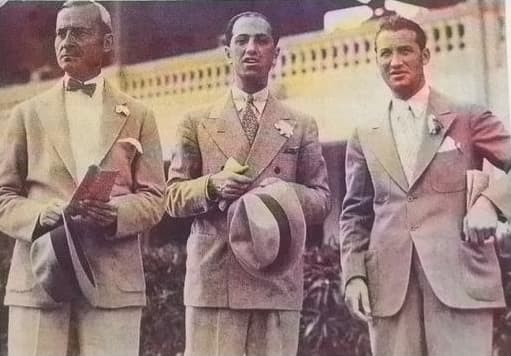
Escaping his hectic work schedule in 1932, George Gershwin visited Havana, the capital city of Cuba. At that time, Cuba was a highly popular tropical retreat for wealthy Americans, “as well as a convenient place to consume liquor during the
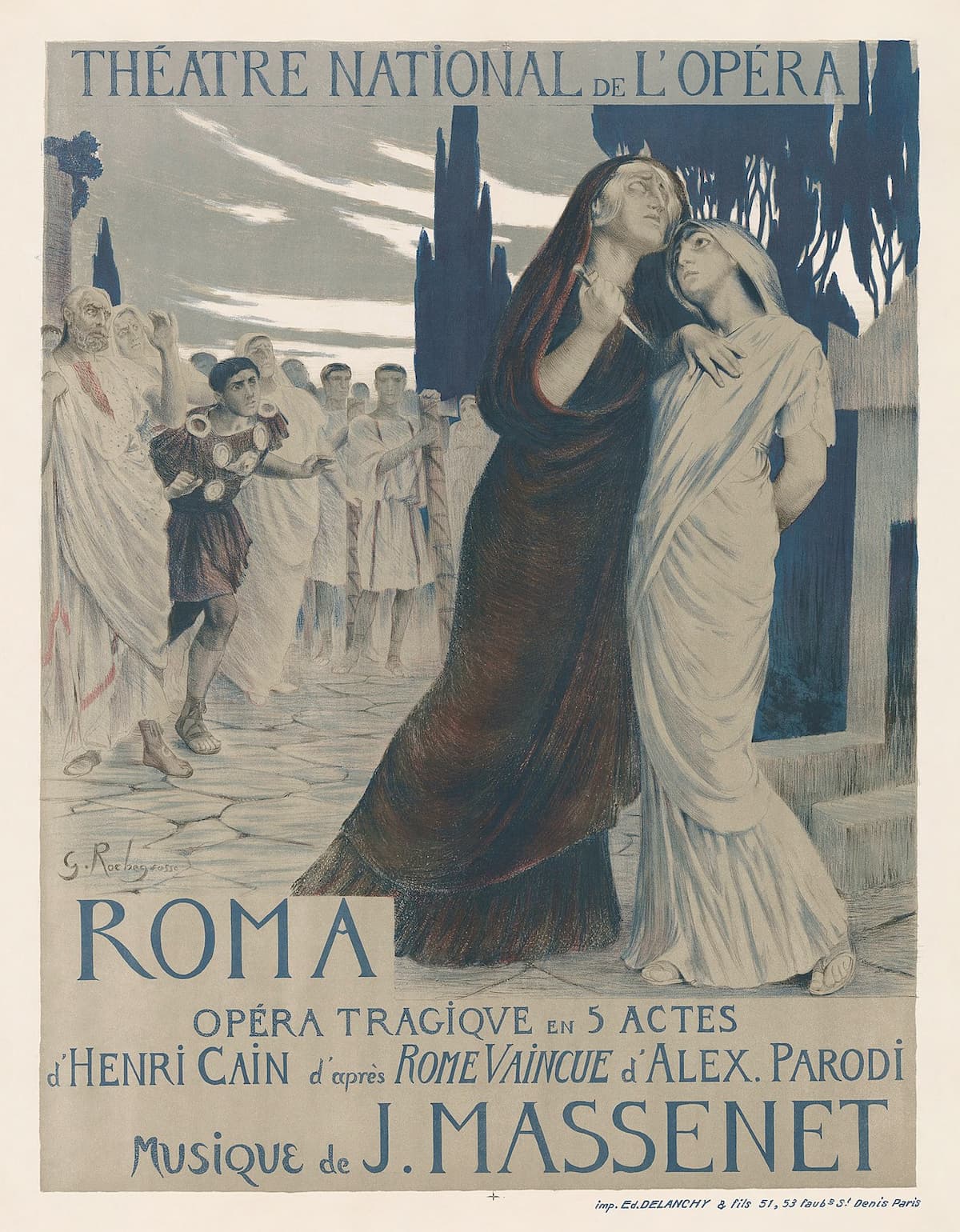
By the death of Jules Massenet on 13 August, writes a correspondence for the Musical Times “France loses her most popular and most famous composer.” Contemporary critical assessment was rather less complimentary. “Massenet’s prolonged and widespread success,” according to Fuller
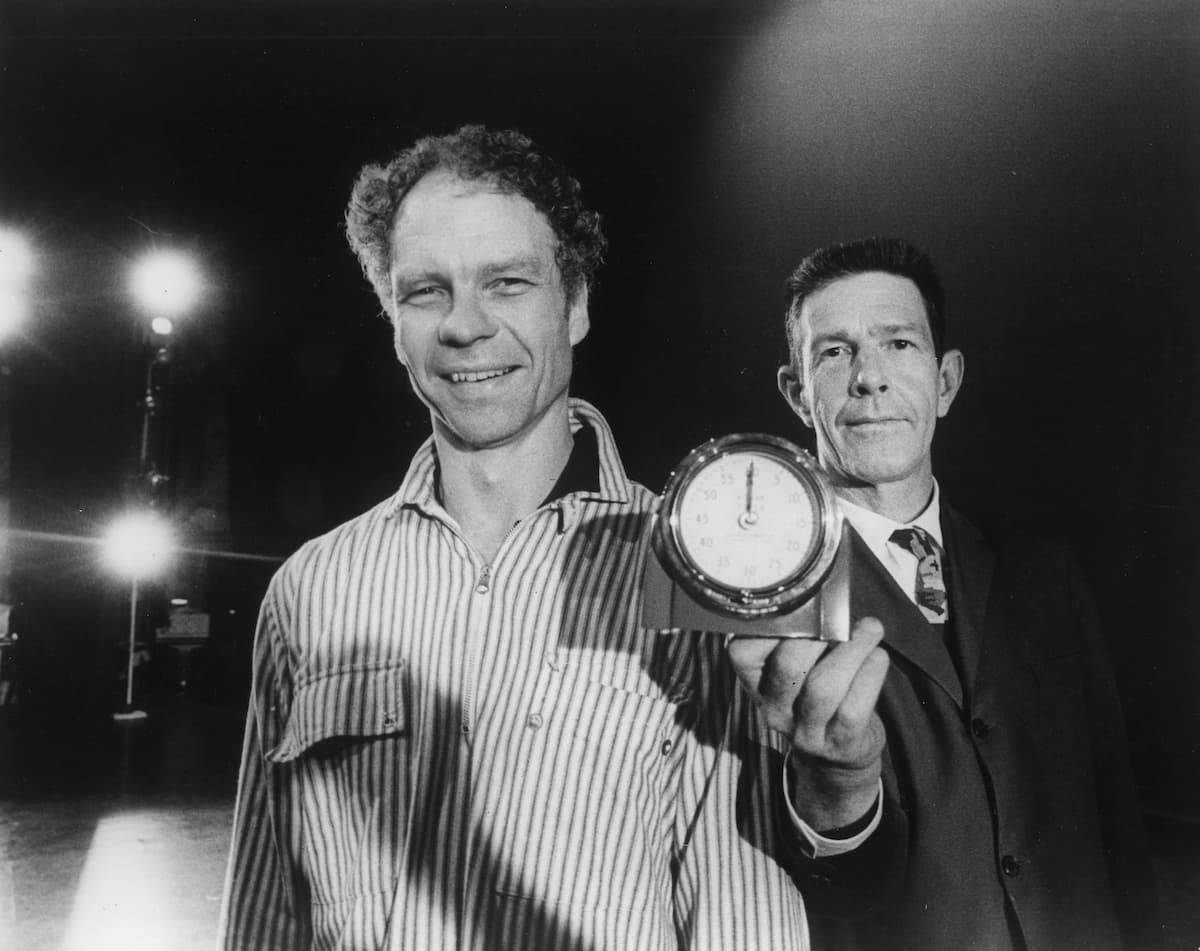
One of the most influential composers in the second half of the twentieth century, John Cage (1912-1992) was a leading figure of the post-war avant-garde. A pioneer of indeterminacy in music, electroacoustic music, and non-standard use of musical instruments, he
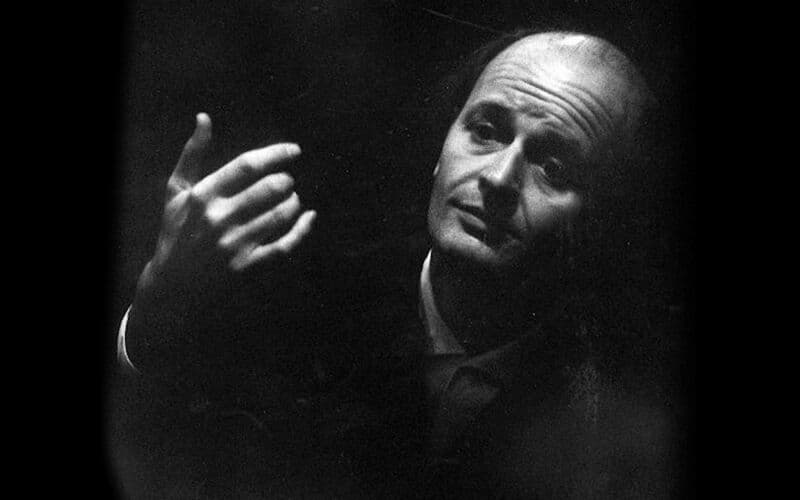
The prodigiously gifted Hungarian conductor Ferenc Fricsay tragically died at the age of 48. A student of Béla Bartók, Zoltán Kodály, Ernst von Dohnányi, and Leó Weiner, Fricsay was “one of the few artists in classical music that were seemingly
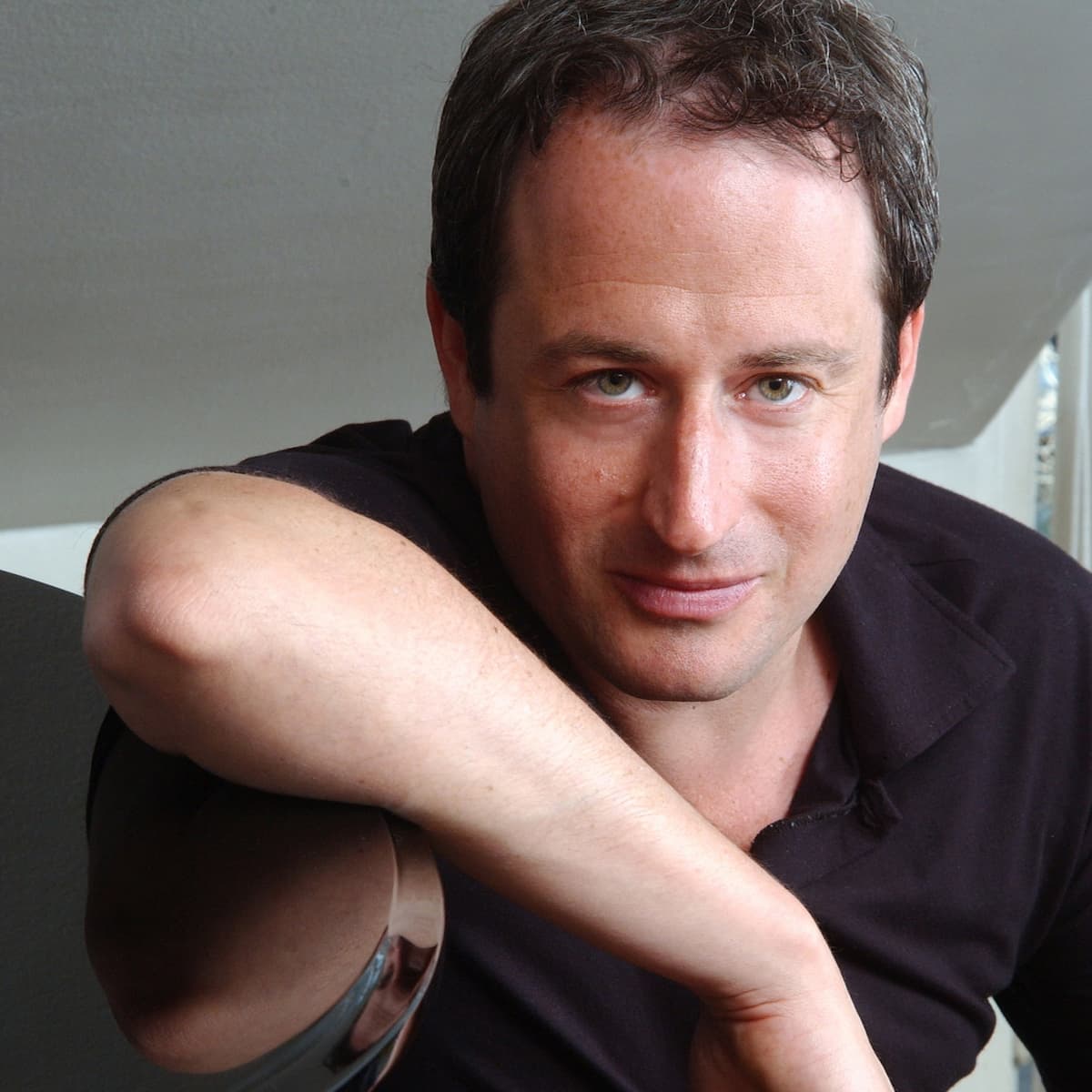
Itamar Golan, born on 3 August 1970 in Vilnius, Lithuania emigrated with his family to Israel when he was only one year old. He began his piano studies with Lara Vodovoz and gave his first concerts in Tel-Aviv at the
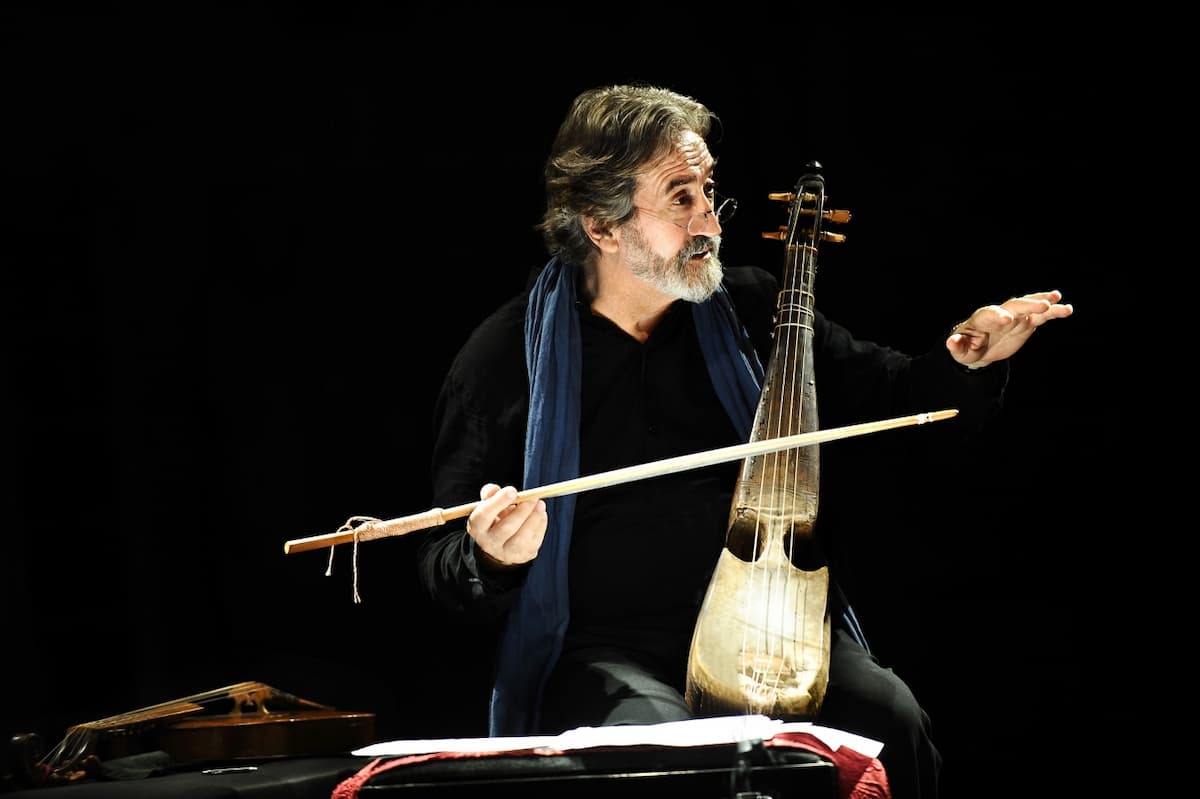
One of the most important architects of the current revaluation of historical music, Jordi Savall has dedicated his spectacular creative vitality to themes of cultural exchange and communication transcending borders. A concert performer, teacher, researcher, and creator of new musical