Chevalier John Taylor operated on two of history’s greatest composers and left both blind.
Today we’re looking at the story of their doctor: John Taylor, a travelling showman who rolled into town in a coach painted with eyeballs, performed surgery in front of paying crowds while hailing his own brilliance – then left before the complications set in.
The Early Life of John Taylor
Ophthalmology quack John Taylor was born in Norwich, England, in 1703 to a surgeon. The boy followed in his father’s footsteps, studying surgery at St. Thomas’s Hospital in London.
His teachers included Surgeon William Cheselden, assistant surgeon at St. Thomas’s, famous for developing new techniques for cataract surgery, among other things.
Although Taylor later became a quack, he had a good education and knew anatomy well. He even wrote a book called An Account of the Mechanism of the Eye, which he dedicated to his former teacher.
After completing his studies, he returned to Norwich and took up surgery, specialising in oculism.
His medical colleagues in town began opposing him, possibly due to his off-putting vanity and shoddy work.
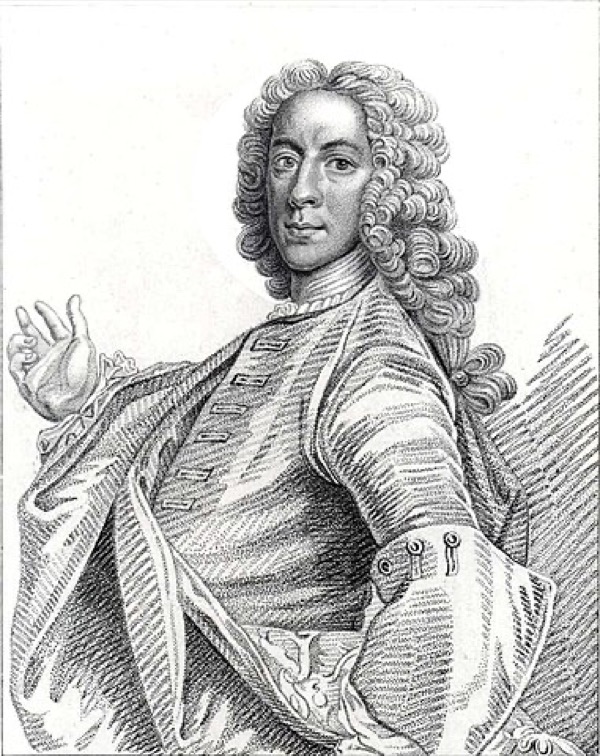
Chevalier John Taylor
Chevalier John Taylor’s Circuslike Surgery Techniques
To escape his neighbours’ opposition, Taylor went on the road and became a kind of hybrid performer–surgeon. He dubbed himself “Chevalier” John Taylor, a French term similar to “Knight.”
To advertise himself, he travelled in a coach covered in painted eyes, the Latin slogan “Qui dat vivere, dat visere” (“whoever gives sight gives life”) emblazoned on the side. The vehicle was weighed down by a set of portable anatomical drawings painted on glass and copper. Eventually his travelling party grew to two coaches, six black horses, and ten servants in livery.
Before arriving in a town, Taylor would send word ahead of his imminent arrival, praising his astonishing (fictional) achievements.
He would then pull into a town and give speeches on ocular anatomy and health, advertising remedies that included bloodletting and laxatives.
He even performed surgeries in public, monologuing as he worked.
His speciality was couching: a medical procedure in which a medical professional (or amateur, as the case may be) dislodged the eye’s lens using a sharp instrument like a needle, to treat cloudy cataract vision.
Not surprisingly, the procedure often doesn’t work, and in many cases, it causes blindness. But it can improve vision for a short period – allowing Taylor to put on his show, pack up his eye-catching coach, and escape to the next town before anyone could complain about outcomes.
He charged exorbitant rates for his work, and when people did not pay, he threatened to sue. He also reported in his own autobiography that he was very successful in attracting women.
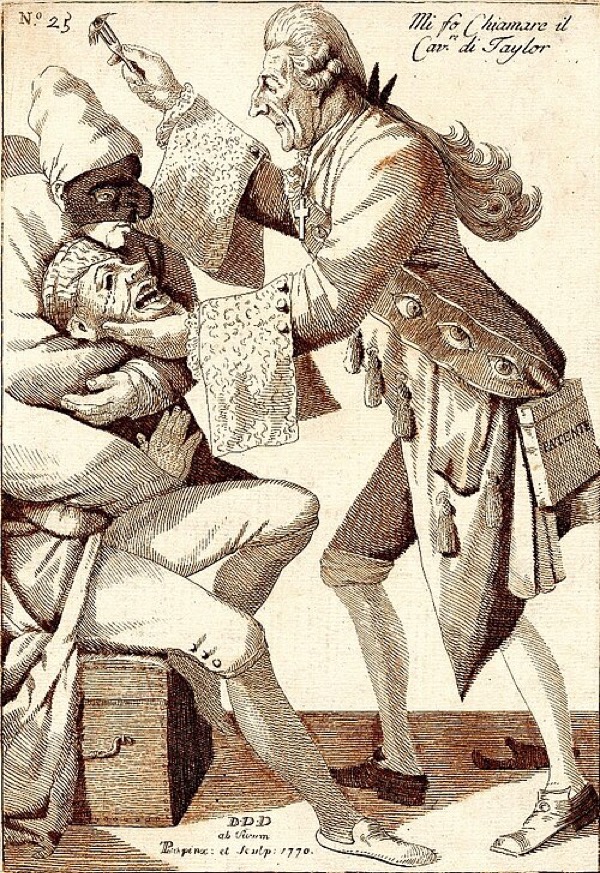
Chevalier John Taylor caricature
John Taylor’s Travels
Between 1727 and 1733, Taylor toured the British Isles. Even in the 1730s, some became sceptical of him.
In April 1732, Faulkner’s Dublin Journal labelled him a liar and a fraud. That same year, a satirical Taylor biography was published, mocking his pompousness.
Then, in 1734, he crossed the English Channel to France and Holland, where his reputation for quackery had not yet spread. Eventually, though, medical men from Amsterdam began spreading the word.
He returned to London long enough in 1736 to be named King George II’s royal oculist, then crossed the Channel again to tour Spain and Portugal.
From there, he moved on to Germany.
John Taylor’s Bach Surgery
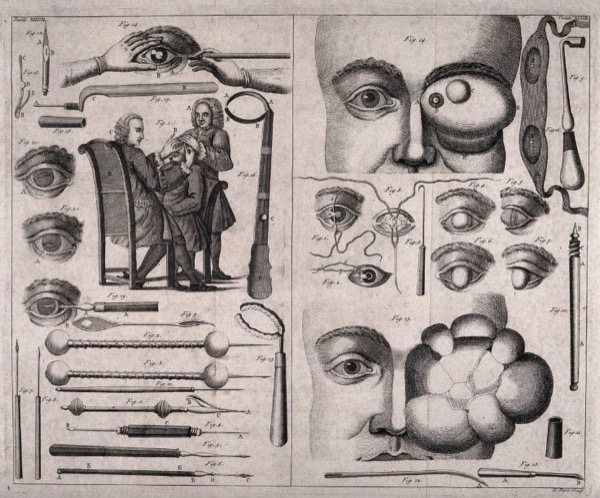
Chevalier John Taylor
We don’t know much about Johann Sebastian Bach’s personal or day-to-day life. No diaries or letters survive.
But at some point in early 1750, shortly before his 65th birthday, he or his family would have heard about the upcoming arrival of Chevalier John Taylor, George II’s royal oculist, in Leipzig.
Bach’s health had apparently been declining since at least the year prior. We know this because the prime minister of Saxony, Heinrich von Brühl, was manoeuvring behind the scenes, trying to get his own favourite candidate in Bach’s prestigious jobs “upon the eventual…decease of Mr Bach.”
Bach’s The Art of Fugue, one of Bach’s final works
Around this time, Bach was losing his eyesight: a particularly devastating prognosis for a composer. Losing his sight wasn’t just losing his means of expression; it was also how he made a living for himself and his family.
Although some of his sons were grown, his second wife was only 49, and his three youngest children were just eight, twelve, and fifteen.
Hearing that the renowned Chevalier John Taylor was coming to town, right when he was suffering this calamity, must have felt like a miracle.
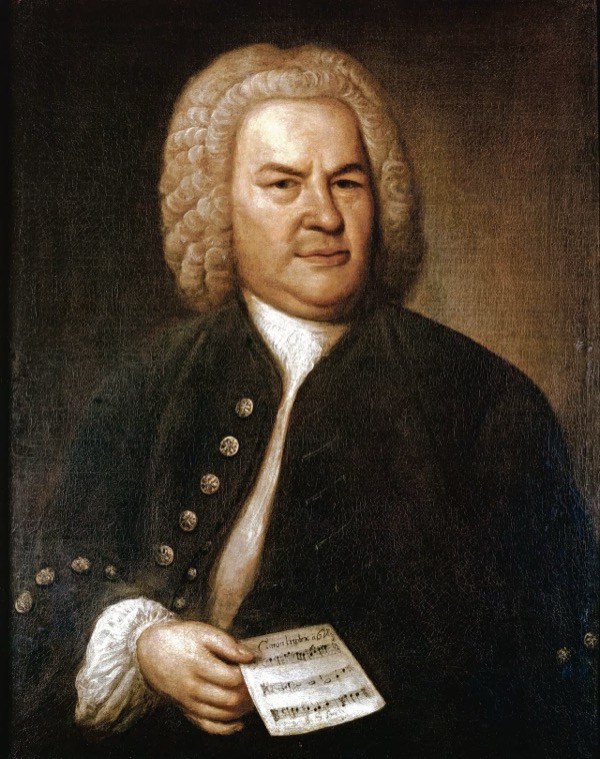
Johann Sebastian Bach
We don’t know exactly what the experience was like, but Bach underwent surgery in late March 1750, then a second operation in early April. Although there may have been temporary improvements, he emerged from the experience blind. As he always did, Taylor pulled up stakes and left town.
Bach never recovered. He had a stroke in late July, and died on 28 July 1750, leaving his wife and minor children in poverty.
As for Taylor, he continued his tour through Germany. But he was ordered to leave Berlin on 23 April 1750 because of the harm he’d caused there.
Chevalier John Taylor’s Surgery on Handel
Handel’s Jephtha
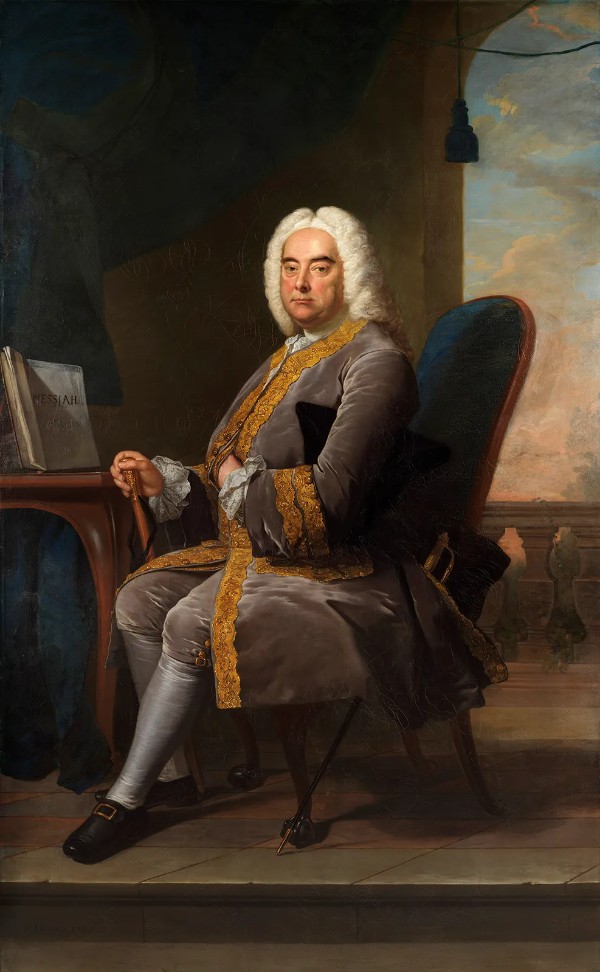
Although the evidence is less clear than in Bach’s case, historians believe that Taylor was the surgeon who operated on another musical giant: George Frideric Handel.
This procedure likely took place in the 1750s. Handel recorded the beginning of his struggles with his eyesight in 1751, in the margins of his score to the oratorio Jephtha.
Just like with Bach, the operation left Handel completely blind. But unlike Bach, Handel lived for years afterwards until 1759, when he died in his adopted hometown of London.
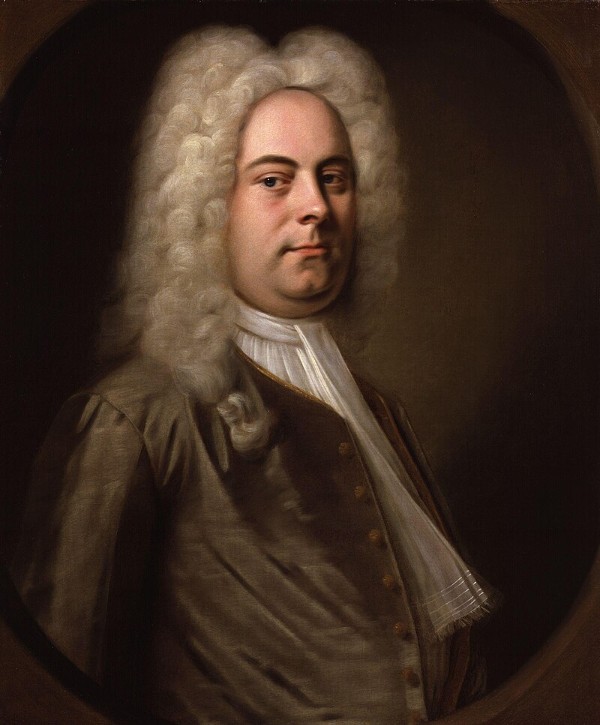
Balthasar Denner: George Frideric Handel, ca 1726–1728 (London: National Portrait Gallery)
The End of Chevalier John Taylor
Meanwhile, Taylor’s destructive career careened on.
In 1761, a two-volume autobiography (which may have been ghostwritten) appeared, where he described himself as “Ophthalmiater (sic) Pontifical, Imperial, Royal.”
In that autobiography, he boasted that he had restored the sight of an 88-year-old “celebrated master of music” in Leipzig – presumably Bach, just falsely aged to make Taylor’s triumphant healing abilities look more impressive.
Taylor eventually married and had children, and his son John also became an oculist who practised in London.
As for what happened afterwards, historians don’t know. Some sources suggest he died in Paris or Prague in the 1770s.
Legend says he went blind.
For more of the best in classical music, sign up for our E-Newsletter