The piccolo trumpet is one of the more aurally striking members of the brass family. It is known for its distinctive high-pitched sound and flashy historical repertoire, having inspired everyone from J.S. Bach to Sir Paul McCartney.
Today we’re looking at the origins of the piccolo trumpet, the history of its development, the repertoire that composers wrote for it, and notable players of the piccolo trumpet.
What Is a Piccolo Trumpet?
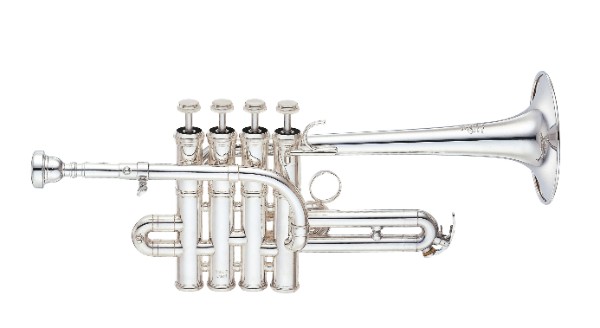
Piccolo trumpet in B♭
A piccolo trumpet is a smaller and higher-pitched version of the standard trumpet.
The B-flat piccolo trumpet sounds an octave higher than a standard trumpet.
Accordingly, the piccolo trumpet is half the length. It has a smaller bore and shorter tubing than the standard Bb trumpet, which lets it reach higher pitches more easily.
When players play it, they have to adapt the amount of air pressure they use.
Musicians bring out piccolo trumpets when they need a particular sound in a higher register with a brighter timbre.
Demonstration of differences between piccolo trumpet and Bb trumpet
Makers Who Created and Championed the Piccolo Trumpet
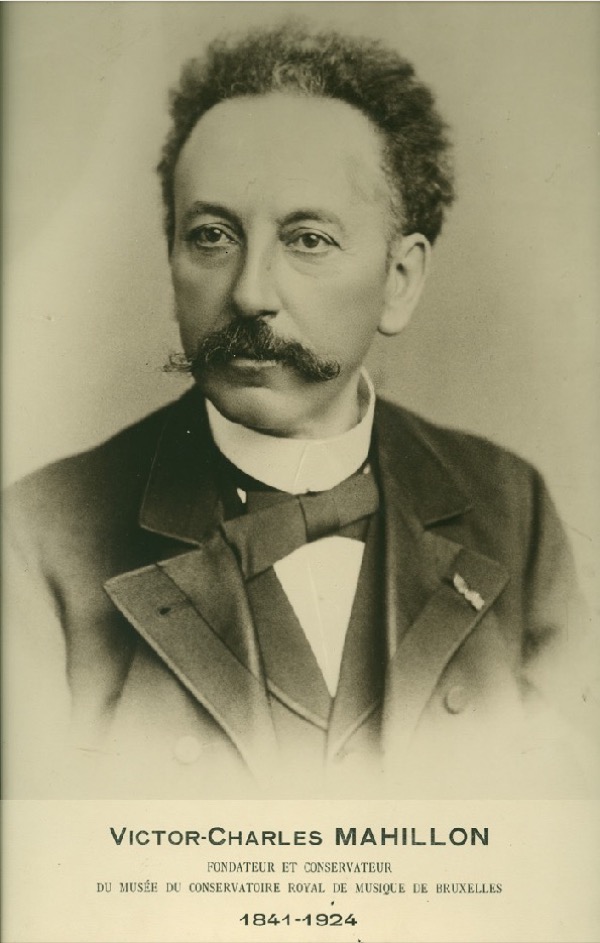
Victor-Charles Mahillon
Several figures oversaw the piccolo trumpet’s creation and evolution in the twentieth century.
The piccolo trumpet in D was invented by instrument builder Victor-Charles Mahillon, who was born in Brussels in 1841. He wanted an instrument that would help him play certain Baroque repertoire – like Bach and Haydn – more easily than on a standard trumpet.
The first piccolo trumpet in B-flat – the more common tuning – was built by Czech instrument maker Václav František Červený in 1862.
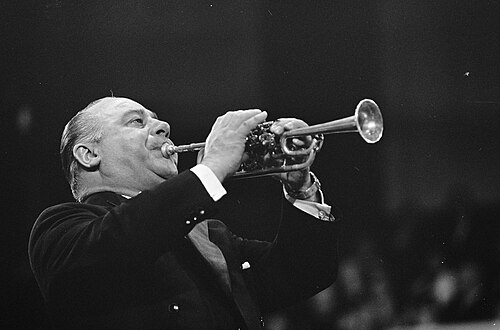
Adolf Scherbaum in 1967
Later, trumpet players Adolf Scherbaum, born in 1909 in the present-day Czech Republic, and Maurice André, born in 1933 in France, worked together to refine the instrument.
Maurice André also worked with instrument builder Henri Selmer Paris in the mid-twentieth century to help improve it.
Evolution Through the Centuries
So why did the piccolo trumpet become more popular in the twentieth century?
One reason is that Baroque music, and historically informed performances of Baroque music, became more and more important to players. And, a bit paradoxically, the newish piccolo trumpet was well-suited for repertoire from the 1700s.
At the same time, this period saw the piccolo trumpet incorporated into modern compositions and jazz, showcasing its versatility beyond classical music.
Repertoire for the Piccolo Trumpet
We’ve already touched on how the repertoire for the piccolo trumpet is diverse, spanning from Baroque to contemporary music.
Some of the most celebrated parts that the piccolo trumpet can play include sections of:
– Johann Sebastian Bach’s Brandenburg Concerto No. 2. The piccolo trumpet plays a pivotal role in the high-pitched, intricate passages.
– George Frideric Handel‘s “Let the Bright Seraphim” from the oratorio Samson, which features a brilliant trumpet solo.
– Igor Stravinsky’s “The Rite of Spring”
– Maurice Ravel’s Boléro
– The Beatles’ “Penny Lane” (an instrumentation choice that came to Paul McCartney after hearing a performance of Bach’s Brandenburg Concerto No. 2)
Bach’s Brandenburg Concerto No. 2
The Beatles’ “Penny Lane”
That’s not even touching on the role that piccolo trumpets play in the world of jazz.
Famous Piccolo Trumpet Players
Several trumpet players have achieved fame for their skill on the piccolo trumpet specifically.
Among the most renowned is Maurice André, a French trumpeter often credited with popularising the piccolo trumpet in the 20th century.
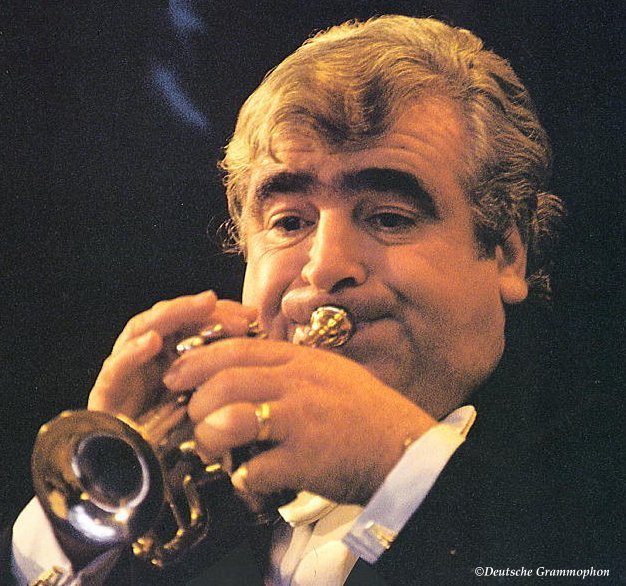
Maurice André
André’s virtuosic performances and extensive discography have left a lasting legacy, inspiring countless musicians to explore the instrument.
André playing Telemann
Wynton Marsalis, an American trumpeter known for his versatility in both classical and jazz music, has also contributed significantly to the piccolo trumpet’s prominence.
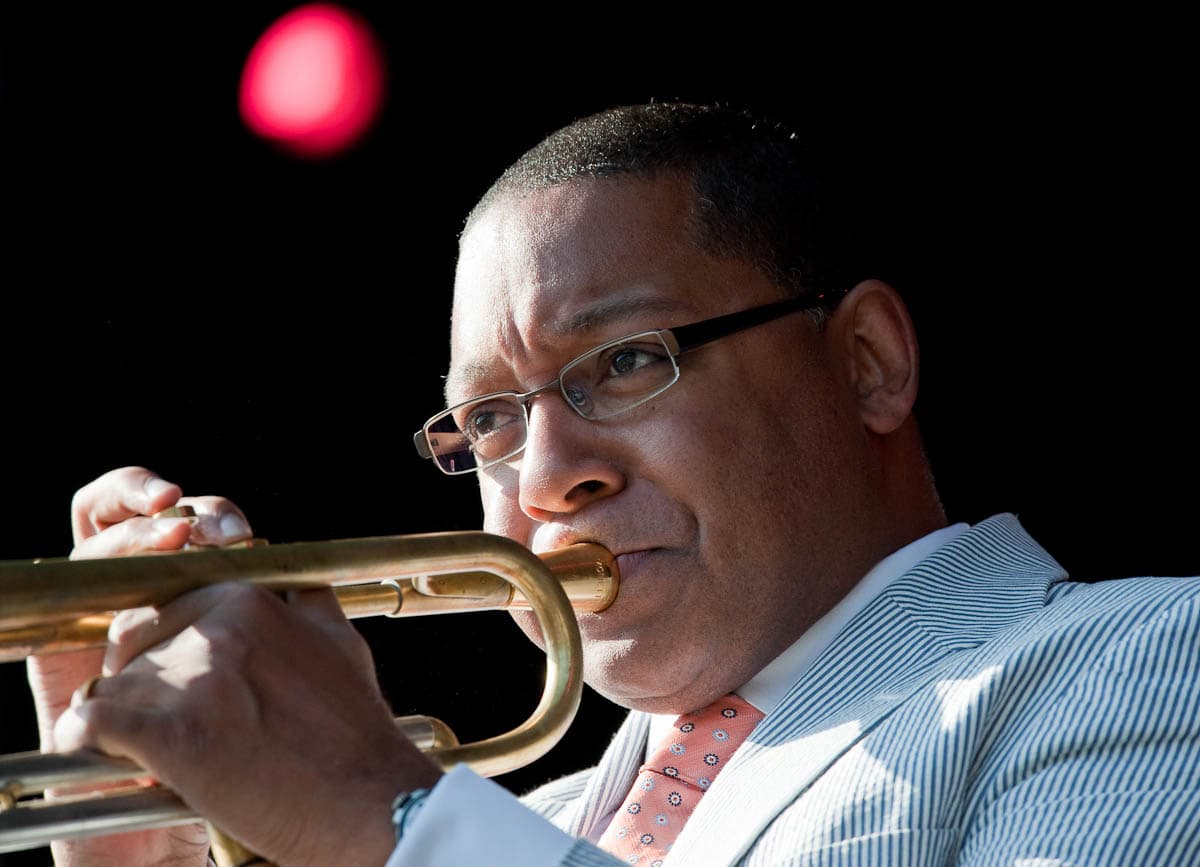
Marsalis at the Oskar Schindler Performing Arts Center Seventh Annual Jazz Festival in 2009
His performances and recordings have demonstrated the instrument’s potential in various musical contexts, bridging the gap between classical and contemporary music.
A documentary excerpt about Wynton Marsalis trying out a new piccolo trumpet:
Yet another notable player is Alison Balsom, a British trumpeter. Balsom’s dedication to expanding the piccolo trumpet repertoire and her innovative interpretations of both Baroque and modern works have earned her international recognition.
Balsom plays a transcription of Vivaldi’s violin concerto in A minor
The Piccolo Trumpet in Modern Times
Today, the piccolo trumpet is as striking as ever, standing out with its distinctive sound and versatility. Orchestras, chamber ensembles, and soloists frequently use it.
Many trumpet players begin their training on the standard Bb trumpet before transitioning to the piccolo trumpet.
Music conservatories and universities often include piccolo trumpet studies in their curricula.
Conclusion
The piccolo trumpet is a remarkable instrument with a rich history and a unique place in the wider musical world.
From its origins in the Baroque era to its modern-day applications in countless diverse genres, the piccolo trumpet has proven its enduring appeal and versatility.
Renowned players like Maurice André, Wynton Marsalis, and Alison Balsom have showcased the instrument’s potential, inspiring future generations of musicians to embrace its distinct sound.
The piccolo trumpet may never be the powerhouse of the brass section. But thanks to its unique range and repertoire, it is definitely one of the most interesting members of the orchestra – and one that every classical music lover should keep an eye out for the next time you see an orchestra play!
For more of the best in classical music, sign up for our E-Newsletter