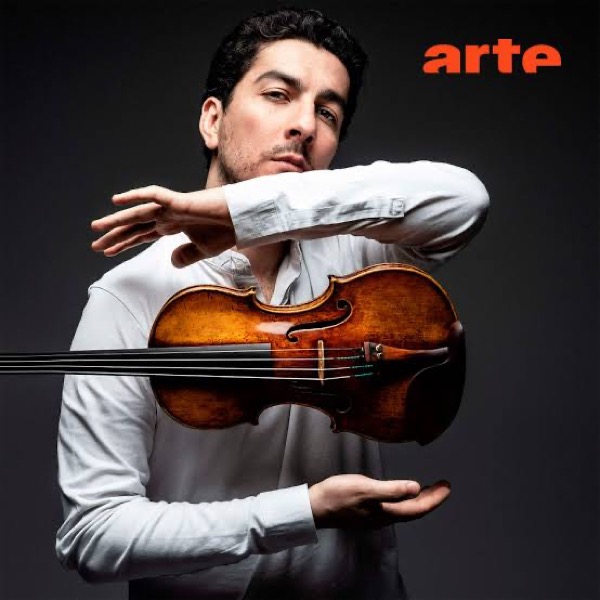
Recorded live in Hamburg’s Elbphilharmonie on 28 March 2026, Klaas Stok leads the NDR Vokalensemble, Concerto Köln, and tenor Sebastian Kohlhepp in a concert performance of Johann Sebastian Bach’s St John Passion.
Composed in 1724 for Good Friday services in Leipzig, the St John Passion is one of Bach’s most dramatic and emotionally charged works. Its swirling orchestral textures and urgent vocal lines beautifully capture the profound reverence of the Passion narrative.
Rather than emphasising operatic intensity, some of Europe’s foremost period-instrument and vocal forces allow Bach’s musical architecture and theological vision to unfold naturally, with Sebastian Kohlhepp bringing a conversational narrative style to the role of Evangelist.
Johann Sebastian Bach: St John Passion
Available until 27/03/2036
An Uneasy Beginning
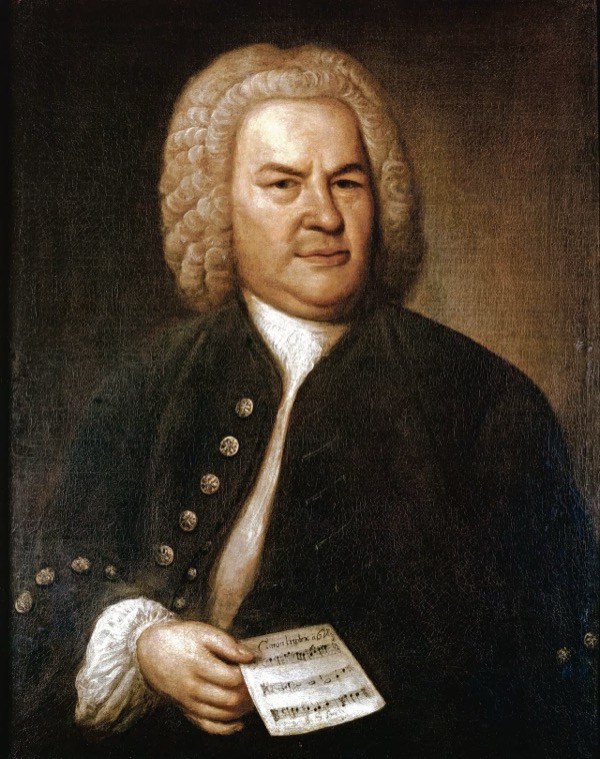
Johann Sebastian Bach
It took almost a year of negotiation, and the refusal of Georg Philipp Telemann and Christoph Graupner, before the Kantor position at St Thomas in Leipzig was offered to Johann Sebastian Bach. Finally, on 13 May 1723, the Bach family settled in the house provided by the city of Leipzig.
Yet from the very beginning, he had a rather uneasy relationship with civic and church authorities, who severely cautioned him against making his compositions too theatrical. “In order to preserve the good order in the Churches,” Counsel Dr. Steger wrote, “so arrange the music that it shall not last too long, and shall be of such a nature as not to make an operatic impression, but rather incite the listeners to devotion.”
Bach paid little attention to these instructions and produced an impressive number of cantatas during his first year on the job. However, the Passion according to John, probably first heard on 7 April 1724, represents a special case.
A Living Masterpiece
For starters, we really don’t know if Bach wrote the St John Passion during his first year in Leipzig. Some scholars suggest that it was actually first performed in April 1723 as part of a possible entrance exam for the Leipzig position. Others insist that parts of the work were first heard during Bach’s visit to Gotha in 1717, while others insist that it was first performed in St Nicholas church on Good Friday, 7 April 1724.
But there is more! The work was performed at least four times during Bach’s lifetime, and for each new presentation Bach substantially modified it. Today we are left with four different versions of the Passion according to John, and performers and editors pick and choose from among the riches. And if you think that the work history is somehow confusing, you should try reading through the discussions and arguments concerning the historically intended way of performing it.
A Historically Informed Vision
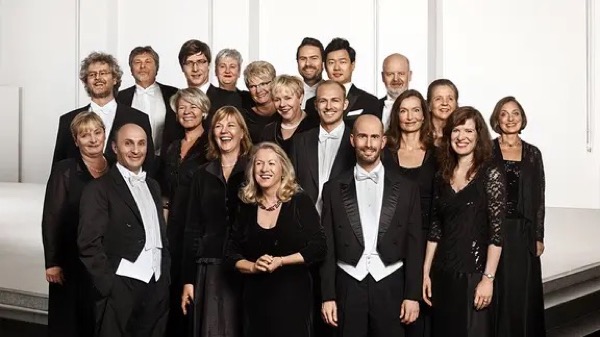
NDR Vokalensemble
While the St Matthew Passion is more operatic, the St John Passion is more philosophical in nature, as the music explores the theological dimensions of the text. The text is capable of telling the story all on its own, but Bach adds multiple layers of musical meaning that make it possible to enjoy the music on a number of levels.
The choice of performers tells us a great deal about the general approach. Concerto Köln performs on period instruments with historically informed articulation, continuo realisation, and pitch conventions. The solo roles, apart from the Evangelist, are taken by members of the NDR Vokalensemble itself, reflecting a chamber-scale approach.
A Deeply Personal Reading
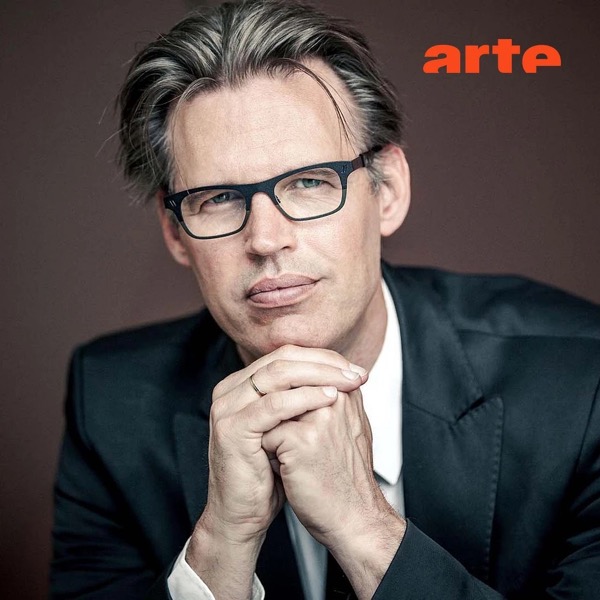
Klaas Stok
Conductor Klaas Stok comes from a choral background that emphasises clear contrapuntal textures and a careful balance between choir and orchestra. His interpretations place a strong emphasis on textual clarity, and he does not allow theatrical aspects to interfere with emotional moments.
The role of the Evangelist is taken by Sebastian Kohlhepp, whose lyrical delivery confirms that the narrative thread is the backbone of the performance. It is expressive storytelling without exaggeration, and the work feels intimate and human rather than overtly theatrical.
Together, these artists create a performance that feels less monumental than deeply personal.
The St John Passion unfolds as an intimate meditation on suffering and redemption within a sequence of highly contrasted emotional states. The superb acoustics of Hamburg’s Elbphilharmonie allow for a transparent interpretation of Bach’s masterpiece, one that communicates the expressive clarity that the composer himself might have intended.
For more of the best in classical music, sign up for our E-Newsletter