Since its founding in 2001, the Fryderyk Chopin Institute (Narodowy Instytut Fryderyka Chopina) in Warsaw has grown into one of the world’s leading centres for Chopin scholarship and performance. It is unique in combining research, publishing, education, museum curation, historically informed performance, and international competitions under the auspices of a single institution.

The Fryderyk Chopin Institute
Several key individuals have shaped the Institute’s international profile for more than a decade, including Artur Szklener, who has served as Director since 2012. A musicologist specialising in the works of Chopin, he joined the Institute in 2001 and became Deputy Director for Research and Publications in 2009.
Under Szklener’s leadership, along with a distinguished team of administrators, scholars, performers, and editors, the Fryderyk Chopin Institute clearly stands as one of Europe’s foremost musical institutions. This venerable research facility was founded with the specific aim of promoting the life and works of Frédéric Chopin, and it is world-renowned for several Flagship Initiatives.
Fryderyk Chopin: Polonaise in F minor, Op. 71, No. 3 (Buchholtz)
Flagship Initiatives
The International Fryderyk Chopin Piano Competition attracts hundreds of young pianists from all over the world. Prize winners take their place among the world’s piano elite, and the Institute focuses its artistic activities on concert and recording projects as well as support and sponsorship for young pianists.
Another remarkable and unique initiative is the International Chopin Competition on Period Instruments, held every four years. Pianists can choose from among selected historical instruments, and the two acclaimed editions have already revealed outstanding personalities and talents.
Fryderyk Chopin Institute logo
The Institute also hosts the annual International Chopin and His Europe Music Festival. It presents Chopin’s music within the broader cultural and musical landscape of nineteenth-century Europe, exploring through historically informed performances, composers who influenced Chopin’s musical language, his contemporaries, and the generations of composers and performers who inherited his artistic vision.
Chopin and His Europe: Chopin Ballade No. 1 in G minor, Op. 23 (Ohlson)
Beyond the Spotlight
The Institute’s activities extend far beyond its flagship projects and reach deep into Polish musical life. It organises national competitions and annual concerts, including regular performances at Chopin’s birthplace in Żelazowa Wola and at the Fryderyk Chopin Museum in Warsaw.
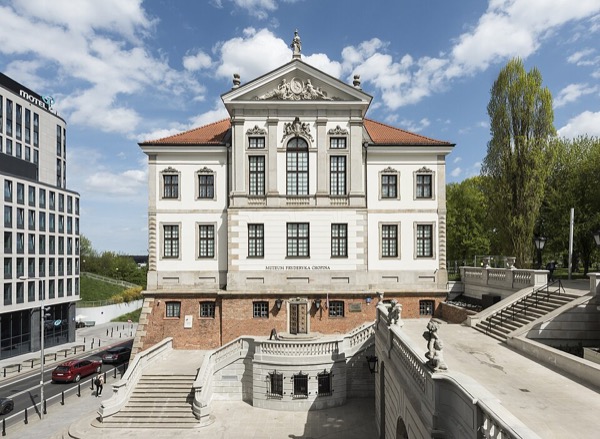
The Fryderyk Chopin Museum, Warsaw
The Institute is further committed to historically informed performance. The widely praised recording project “The Real Chopin: Complete Works of Fryderyk Chopin on Historical Instruments” makes the composer’s works available to historians, performers, and scholars in their original sound.
Recordings on historical instruments aren’t limited to Chopin, as the “Chopin’s Time Music” series revives works by his Polish contemporaries, including Ignacy Dobrzyński, Karol Lipiński, Józef Krogulski, and others.
The catalogue also includes acclaimed recordings of Stanisław Moniuszko’s operas and cantatas, and diverse series such as “Concerts Frozen in Time”, “Young Talents,” and “Polish Romantic Jazz,” which include recordings of the rare and unforgettable improvisations by Tomasz Stańko. Through these releases on its own NIFC label, the Institute continues to shape how Chopin and his era are understood today.
Chopin’s Last Piano
Scholarship and Preservation
Scholarship and preservation are central to the mission of the Institute. It publishes facsimile editions of Chopin’s manuscripts, as well as two English-language journals, Studia Chopinowskie and The Chopin Review, while organising international conferences.

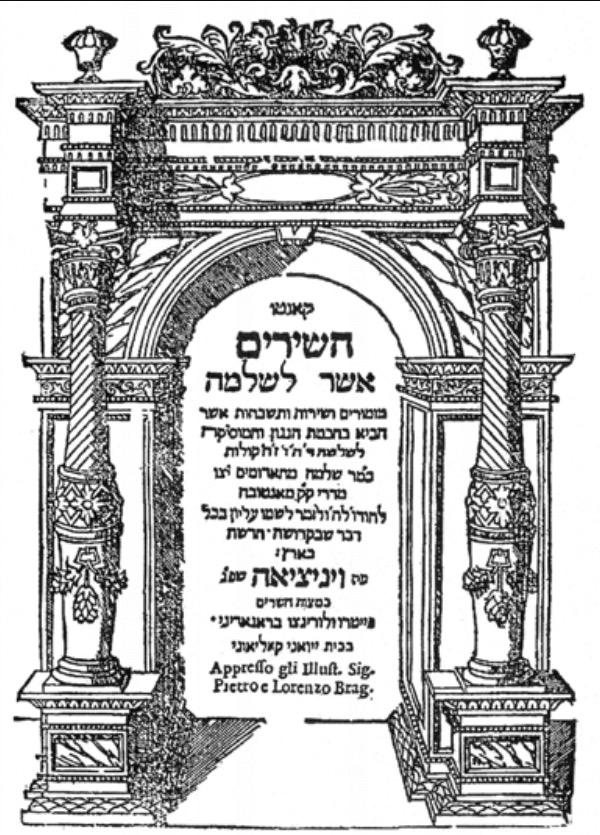
A Fryderyk Chopin Institute publication
The Institute holds one of the largest collections dedicated to Chopin. It contains some 30,000 items, including first editions, the Mateusz Gliński collection, and rich supporting materials ranging from publications to concert posters and press reports.
The photo archive contains over 86,000 images, while the sound collection includes nearly 15,000 recordings, including performances by Paderewski, Michałowski, Koczalski, Rachmaninoff, and the complete documentation of the Chopin Competition since 1960.
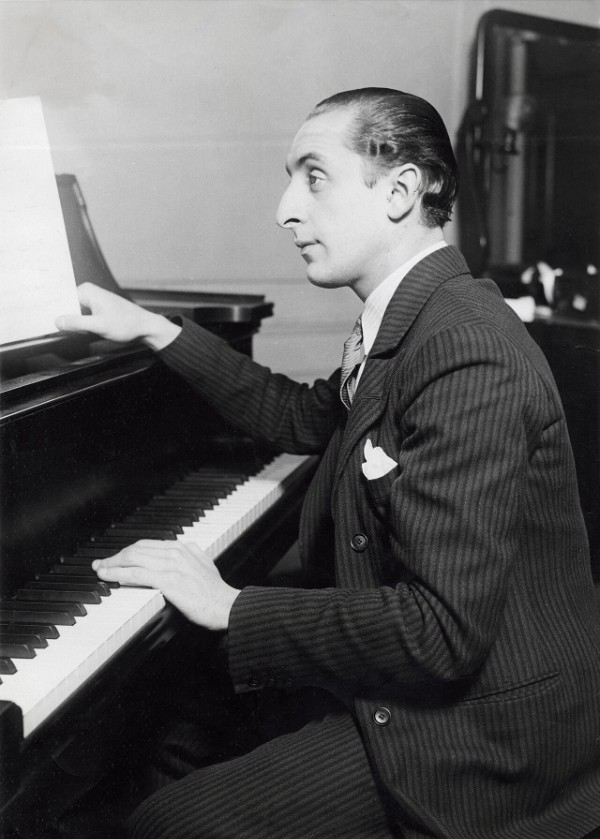
Pianists who studied with Chopin’s Students
Living Instruments
The Institute also holds a superb collection of period instruments. More than mere masterpieces of the craft, these instruments are regularly used in concert performances and recordings, and we will take a closer look in our next episode.
Among them are Chopin’s beloved Pleyel pianos, selected Érards, a London-made Broadwood, and an exceptional replica of a piano produced by the Warsaw-based Fryderyk Buchholtz, dating from c. 1825–26. These instruments provide audiences with direct access to the sound world Chopin knew.
For over two decades, the Fryderyk Chopin Institute has matured from an academic branch of the Chopin Competition into one of Europe’s most dynamic and respected musical institutions. It stands as the global heart of Chopin studies, securing the composer’s voice for eternity.
For more of the best in classical music, sign up for our E-Newsletter