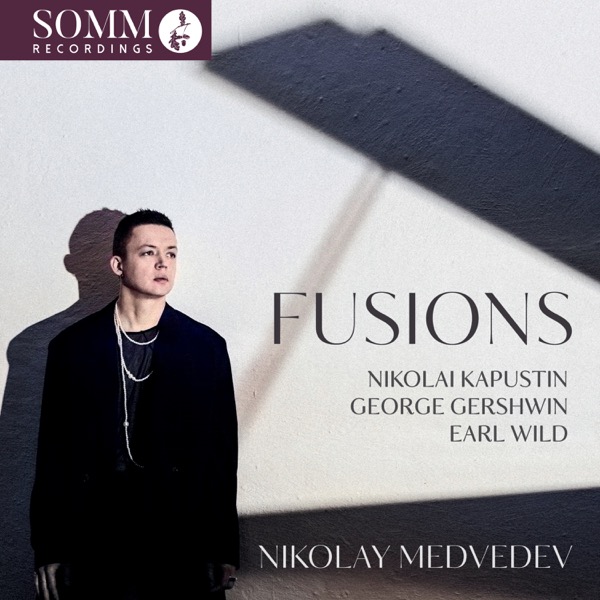
This aptly-named new release from Russian-born pianist Nikolay Medvedev brings together the music of George Gershwin and Nikolai Kapustin – two diverse pianist-composers who share the influence of jazz in their work – while also highlighting the virtuosity of Earl Wild, one of the greatest American pianists of the 20th century.
Nikolai Kapustin, born in 1937, the year Gershwin died, occupies a distinctive place in 20th- and 21st-century music. A classically trained pianist and composer, Kapustin cleverly fused the formal, structural rigour of classical music with the rhythmic vitality and improvisational idioms of jazz. His works defy categorisation: though they sound spontaneously jazzy, they are entirely notated in classical form, leaving no space for actual improvisation. This paradox became the hallmark of his style, and his music comprises the bulk of this new release.
Kapustin studied piano at the Moscow Conservatory at a time when jazz was still viewed with suspicion by the Soviet authorities. His fascination with American jazz pianists like Art Tatum, Oscar Peterson, and Erroll Garner led him to explore the genre in secret, and he absorbed its harmonic language, rhythmic energy, and phrasing to develop his own compositional language. His music – vibrant, cerebral, witty, exuberant and alive – was not internationally known in the early 2000s.
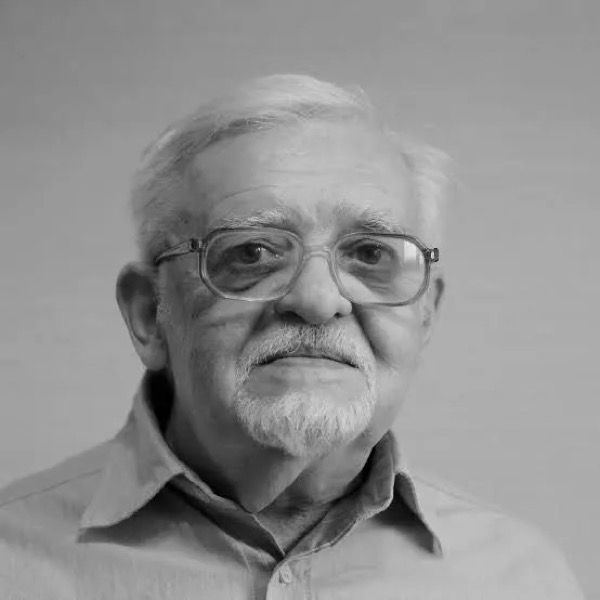
Nikolai Kapustin
His second piano sonata, which opens this recording, was written in 1989, the year the USSR’s final collapse became increasingly apparent. Yet despite the turmoil in his homeland, the piano sonata is optimistic in mood – bright, spontaneous and rich in momentum and intriguing twists and turns.
Gershwin’s Three Preludes follow, written in the years after the instant success of his Rhapsody in Blue. Now, Gershwin found himself on the brink of realising his dream of being both a composer of popular and serious concert-hall music, and these three pieces reflect his ability to fuse classical forms with the rhythms and harmonies of American jazz. The first is an exercise in energetic syncopation; the second, lyrical, bluesy, and somewhat melancholy; while the third glitters with rugged rhythms and toe-tapping syncopations. Modest in scale, the preludes nonetheless reveal remarkable originality, blending blues idioms, syncopation, and chromatic colour within tightly structured miniatures.
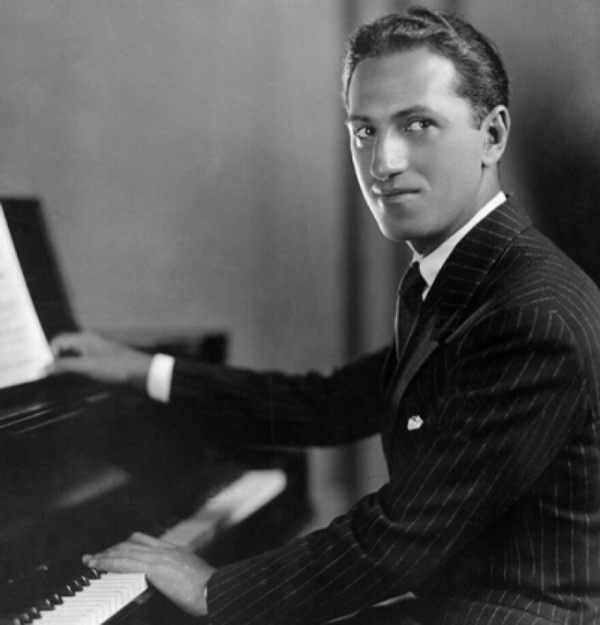
George Gershwin
The Concert Etudes are probably Kapustin’s best-known pieces, each with a distinct character – ebullient, impressionistic, groovy, funky. Despite the obvious jazz idioms, these pieces display an almost Lisztian classical sophistication and bravura in their harmonic and rhythmic language, and in their sparkling pianistic figurations (Kapustin composed at the keyboard to ensure that his music would fit the hand well). The second is redolent of another Russian composer – Sergei Rachmaninoff – while No. 6, Pastorale, has a jaunty Ragtime vibe, with a stride accompaniment.
American pianist Earl Wild (1915-2010) was a legendary virtuoso performer and renowned transcriber, bringing flamboyant brilliance to his arrangements, nowhere more evident than in his transcriptions of George Gershwin’s songs. These are not simple arrangements but rather imaginative re-compositions – richly textured pianistic fantasies filled with sweeping arpeggios, glittering passagework, and perfumed harmonies. In these dazzling concert pieces, Wild pays homage to Gershwin’s jazz-inflected originals, revealing their harmonic ingenuity and expressive depth, and to the great Romantic piano tradition of Franz Liszt and Sergei Rachmaninoff.
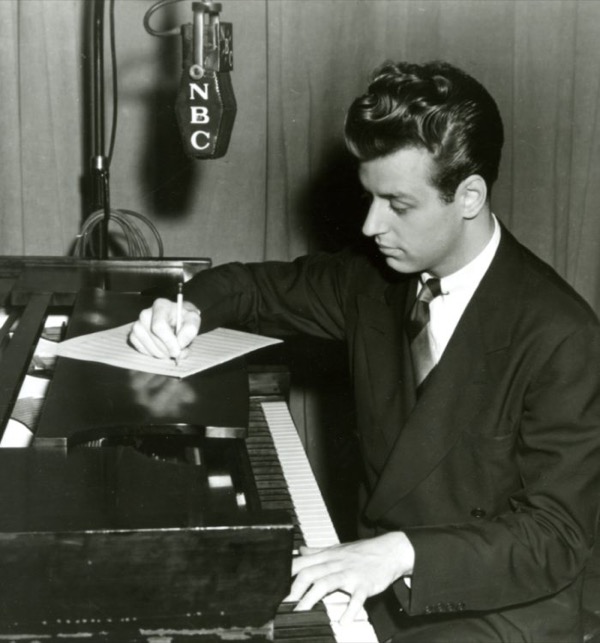
Earl Wild
Nikolay Medvedev is the ideal advocate for this music, combining bravura flair and technical brilliance with a sensitivity to the repertoire and its shifting moods and colours. In Kapustin’s works, he pairs razor-sharp rhythmic control with an improvisatory sense of freedom and spontaneity, capturing the music’s brilliance and wit. In Gershwin’s Three Preludes, he balances jazz swagger with elegance, while in the Wild transcriptions, he transports us to the concert hall, relishing the theatricality and virtuosity of these pieces. Throughout the recording, the piano sound is bright and colourful, never harsh. There are moments when we might be listening in a late-night jazz club; at other times, in the opulent grandeur of Carnegie Hall.
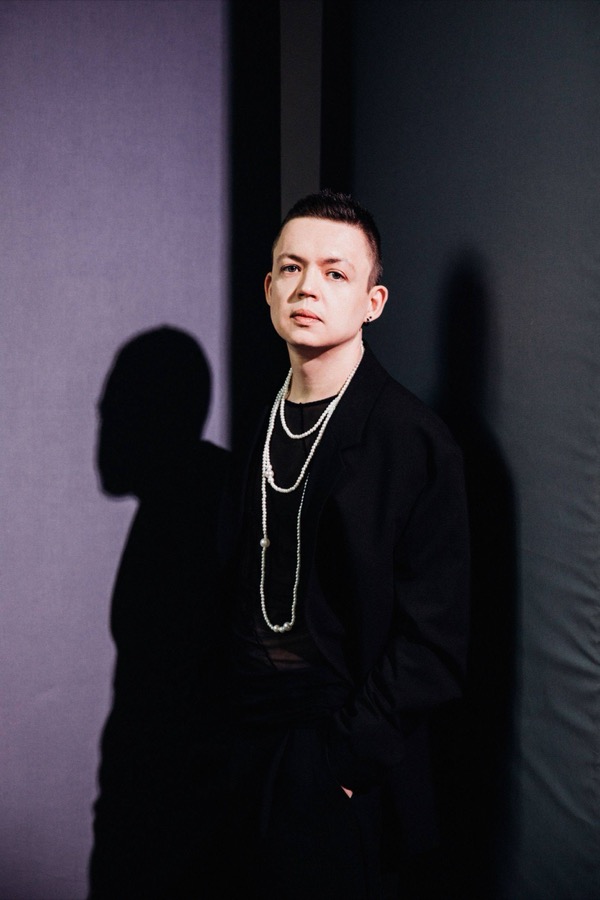
Nikolay Medvedev
The album offers a clear sense of continuity between composers often placed in separate musical worlds: the selection and order of the repertoire demonstrates how Gershwin’s jazz-inspired modernism paved the way for Kapustin’s sophisticated hybrid musical language, while Wild’s dazzling arrangements bridge popular song and concert virtuosity. This is a recording of brilliance and charm, played with poise, colour, and an infectious sense of enjoyment on the part of the pianist.
Fusions is released on 19 June on the SOMM label.
For more of the best in classical music, sign up for our E-Newsletter