Encore pieces hold a special place in the violin repertoire. Unlike concertos, sonatas, or large-scale showpieces, violin encores are played in a casual atmosphere and designed to speak plainly and directly, over the course of just a few minutes.
Over the past two centuries, a canon of violin encore pieces has developed, shaped by virtuoso performers and appreciative audiences. Some pieces dazzle with their speed and brilliance, while others focus on creating a mood or a particularly lovely melody.
Today, we’ve chosen ten of the best violin encores of all time, looking at the composers and performers who helped establish them as enduring fan favourites.
Samuel Dushkin (formerly attributed to Maria von Paradis) – Sicilienne
For decades, this gently rocking Sicilienne was attributed to Maria Theresia von Paradis, a blind Austrian pianist-composer admired by Mozart and his circle.
Modern scholarship has cast doubt on that attribution, and the work is now widely believed to be a pastiche written in the early twentieth century by Samuel Dushkin.
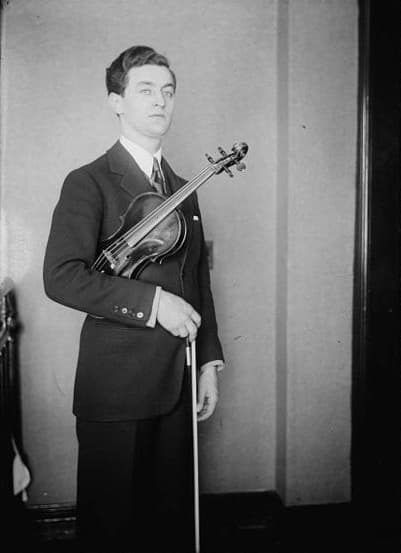
Samuel Dushkin
Regardless of its origins, its poise and elegant restraint have made it a staple of the violin encore repertoire. It emphasises line, tone, and phrasing over technical virtuosity.
Antonio Bazzini – La Ronde des Lutins
Antonio Bazzini (1818–1897) was a formidable Italian violinist who embraced both Italian bel canto lyricism and emerging Romantic Era virtuosity.
“La Ronde des Lutins” (“The Dance of the Goblins”) became his most popular work, renowned for its jaw-dropping virtuosity and mischievous character.
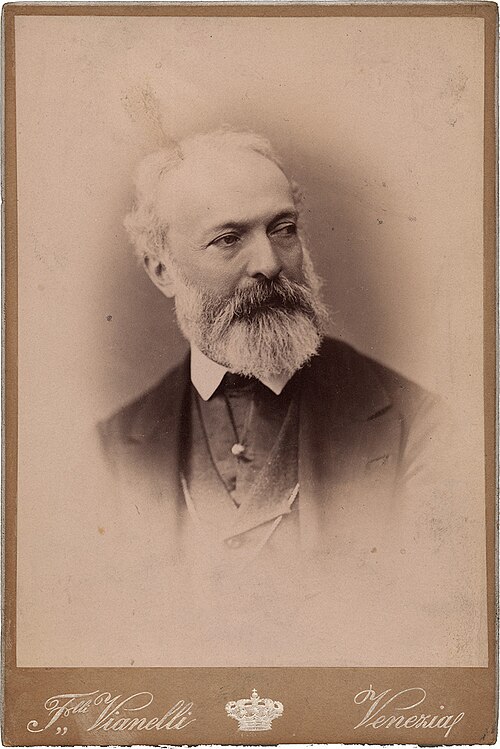
Antonio Bazzini
Its success as an encore lies in its theatrical flair. Harmonics, double-stops, and left-hand pizzicato turn the piece into a miniature showpiece.
Fritz Kreisler – Caprice Viennois
Fritz Kreisler (1875–1962) was an Austrian violin soloist who cemented his place in music history with his charming compositions and pastiches that shaped the modern idea of the violin encore.
“Caprice Viennois” (“Viennese Caprice”) embodies his nostalgic vision of Old Vienna: urbane, lyrical – and deceptively difficult to pull off.
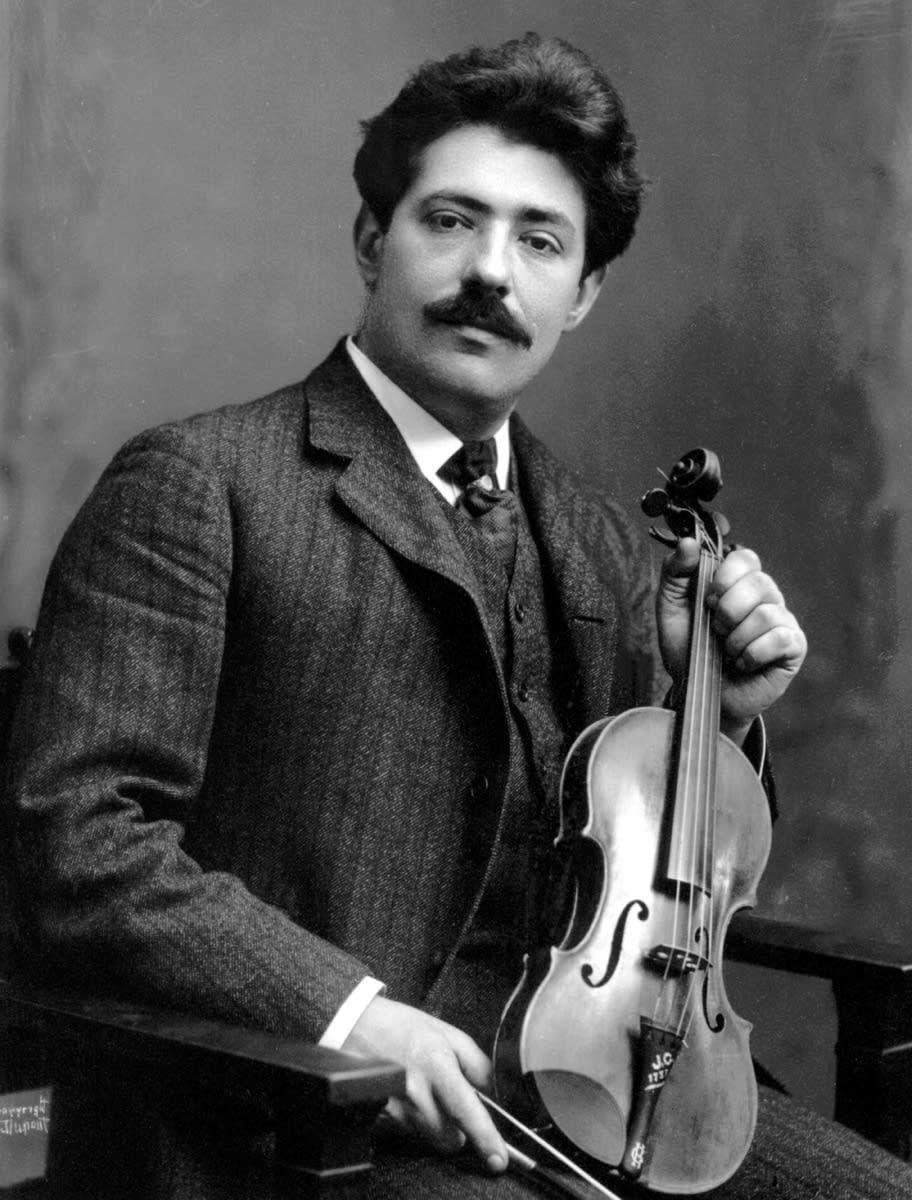
Fritz Kreisler, 1912
Kreisler’s charm and popularity, combined with the innate grace and warm nostalgia of the music itself, ensured the piece’s place in the repertoire, especially as a palate cleanser at the end of a recital.
Cyril Scott – Lotus Land, arranged by Fritz Kreisler
British composer Cyril Scott was associated with early 20th-century musical modernism and mysticism.
“Lotus Land” was originally written for piano and later transcribed by Fritz Kreisler. It reflects Scott’s fascination with so-called “exotic” moods and dreamy atmospheres.
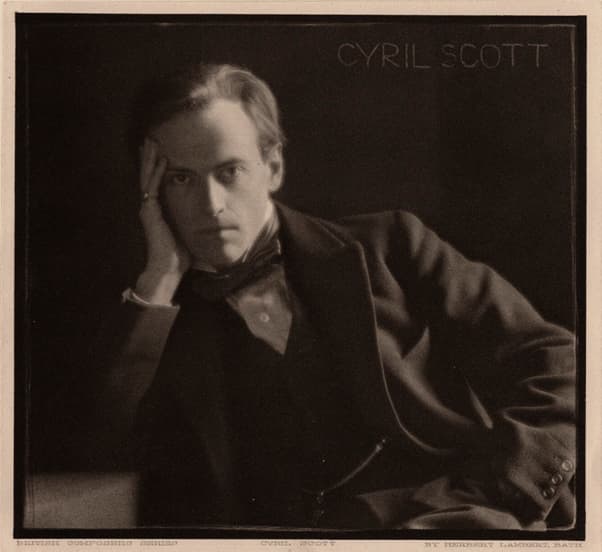
Herbert Lambert: Cyril Scott, 1922 (London: National Portrait Gallery)
In its form for violin and piano, it became an evocative encore choice, offering audiences a moment of suspended calm rather than extroverted bravura.
Percy Grainger – Molly on the Shore, arranged by Fritz Kreisler
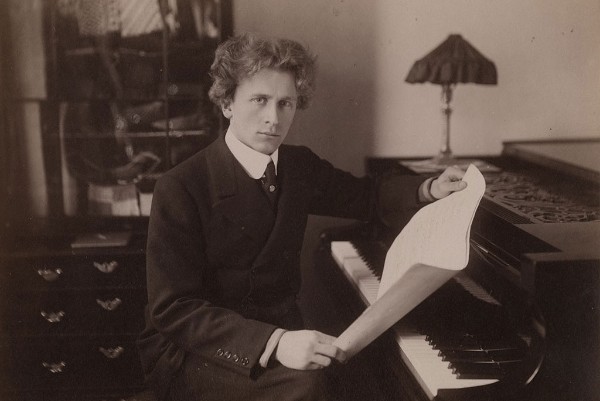
Percy Grainger
Percy Grainger: Molly on the Shore (arr. for violin and piano) (arr. F. Kreisler) (Tobias Ringborg, violin; Anders Kilstrom, piano)
Australian composer Percy Grainger’s lifelong devotion to folk music is on full display in “Molly on the Shore,” a lively reel drawn from Irish tradition.
Fritz Kreisler’s genius was also in full flower in this arrangement of Grainger’s piano piece. It is exciting, cheerful, and open-hearted: the perfect final impression for any gracious violinist to leave audiences with.
Henryk Wieniawski – Scherzo-Tarantelle
Henryk Wieniawski was among the greatest violin virtuosos of the 19th century, and his works reflect a performer’s instinct for pleasing a crowd.
The tarantelle is a lively Italian dance genre that originated due to the folk belief that frenetic dancing could cure a tarantula’s bite.
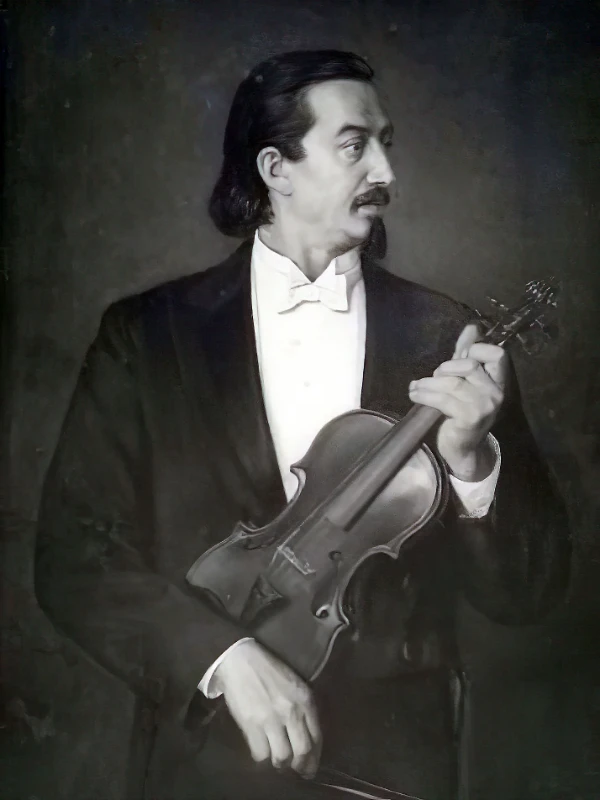
Henryk Wieniawski
Wieniawski’s “Scherzo-Tarantelle” employs dazzling technique in a compact, high-energy form. It is so fast and breathless, you can easily imagine the violinist trying to cure their spider bite.
Pablo de Sarasate – Zapateado
Sarasate’s compositions introduced vivid Spanish colour to the repertoire of virtuoso violinists in the late nineteenth century.
“Zapateado,” a seductive miniature inspired by Andalusian dance rhythms, combines the necessity for crisp articulation with character.
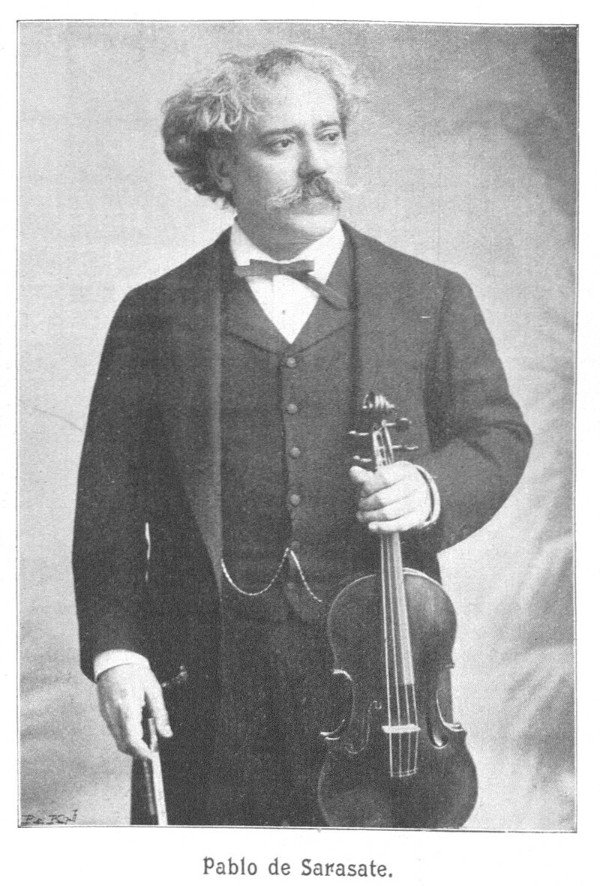
Pablo de Sarasate, 1906
Sarasate’s light, refined technique made such writing possible. The piece remains a favourite encore for violinists seeking to show off their penchants for flair and elegance.
Manuel Ponce – Estrellita, arranged by Jascha Heifetz
Mexican composer Manuel Ponce wrote Estrellita as an art song, but its global fame owes much to violin virtuoso Jascha Heifetz.
Heifetz’s arrangement transformed it into one of the most beloved violin encores of the 20th century.
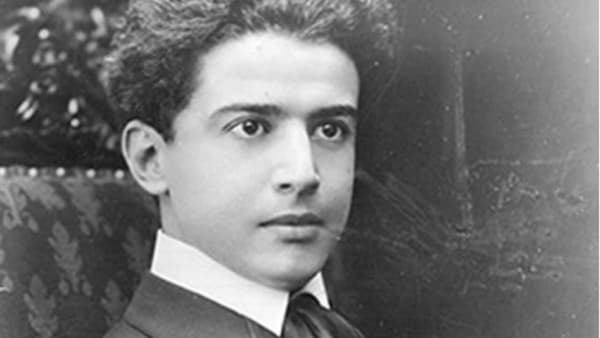
Manuel María Ponce
His silvery tone and emotional restraint turned the piece into a masterclass in nuance.
Maud Powell – Transcription of Deep River
Maud Powell (1867–1920) was the first woman violinist to become internationally renowned. Her transcriptions expanded both the technical and cultural scope of the violin repertoire.
Her transcription of the spiritual “Deep River” brought African-American music into elite concert halls at a time when such recognition was vanishingly rare.
As an encore, it offers both profound emotional resonance and historical significance.
Edward Elgar – Salut d’Amour
Edward Elgar composed “Salut d’Amour” as an engagement present for his poet fiancée, Caroline Alice.
The dedication he wrote was “A Carice,” an amalgamation of Caroline Alice. When they had their daughter, they named her Carice in a callback to this piece.
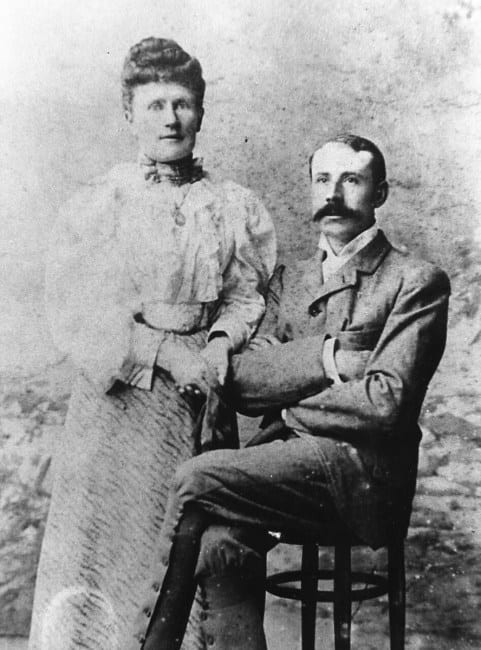
Alice Roberts and Edward Elgar
The simplicity and romantic sincerity of “Salut d’Amour” quickly made it a favourite with audiences and violinists alike. In the century since, it has become an especially beloved encore: gentle, heartfelt, and deeply human.
Conclusion
The best violin encores don’t compete with the main works on a program. Instead, they offer something more intimate and more human: a final moment to deepen and celebrate the connection between performer and listener before everyone returns home.
Whether virtuosic or inward, folk-inflected or lyrical, these encore pieces reflect the instincts of great violinists and composers who knew how to leave an audience wanting just a little more.
Listening to these charming pieces, it’s so easy to understand how violin encores have become one of the most beloved concert hall traditions.
For more of the best in classical music, sign up for our E-Newsletter