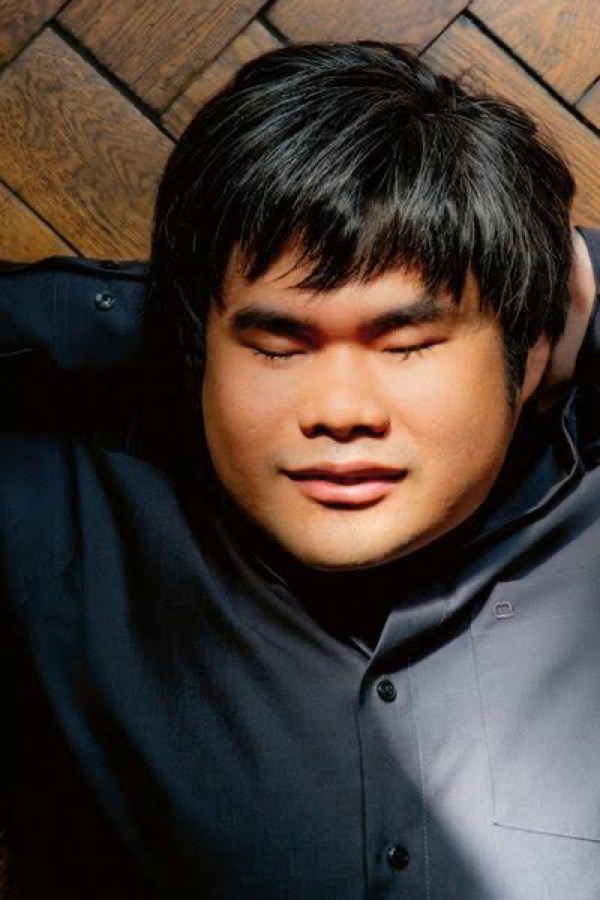
Mischa Maisky, born on 10 January 1948 in Riga, Latvia, has become one of the most expressive and influential cellists of the modern era. After studying with the legendary Mstislav Rostropovich at the Moscow Conservatory, Maisky’s remarkable tone, emotional intensity, and communicative artistry quickly brought international attention.

Mischa Maisky
His career blossomed after leaving the Soviet Union in the early 1970s and settling first in Israel, and then across Europe. He soon emerged as a global figure. Widely celebrated for his solo Bach interpretations, his chamber music collaborations reveal another dimension of his artistry.
To celebrate his birthday on 10 January, we feature five of Mischa Maisky’s most celebrated chamber music recordings, collaborations that thrive on musical conversation, shared intuition, and deep mutual respect.
Mischa Maisky Plays Bach’s Cello Suite No 1, “Prelude”
Brahms: Piano Quartet in G minor, Op. 25 (Argerich, Kremer, Bashmet, Maisky)
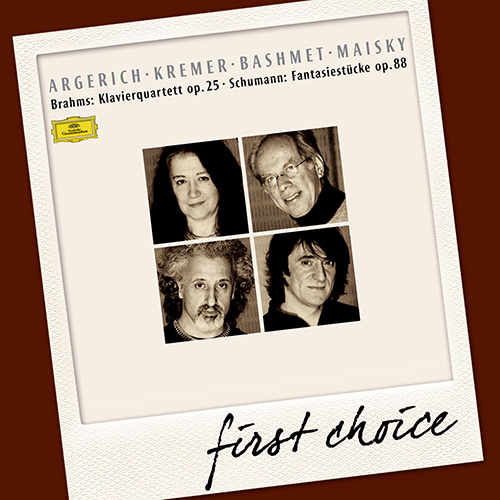
The 2002 studio album for Deutsche Grammophon united four formidable soloists in Brahms’s Piano Quartet in G minor. For a good many critics, Maisky’s presence was central to the character of the recording.
His cello serves both as the harmonic foundation and the expressive voice that anchors the ensemble, combining fiery intensity with lyrical sensitivity that allows him to assert his personality without overpowering his partners.
The Guardian described his performance “full-bodied, singing, and impassioned, with a romantic warmth that gives the music its emotional spine.” To be sure, Maisky negotiates the dense textures of the first movement with a sense of both rhythmic propulsion and melodic shaping, providing the emotional core.
Maisky’s chamber sensibility is particularly evident in the interplay with Argerich. Critics note that his responses to her bold, sometimes tempestuous piano lines are intuitive and conversational, avoiding mere echo or accompaniment. Qobuz notes that “Maisky’s voice dances between assertive and reflective moments, constantly interacting with Argerich and the strings rather than merely anchoring the ensemble.”
Johannes Brahms: Piano Quartet No. 1 in G Minor, Op. 25 (Martha Argerich, piano; Gidon Kremer, violin; Yuri Bashmet, viola; Mischa Maisky, cello)
Grieg: Cello Sonata in A minor, Op. 36 (Argerich/Maisky)
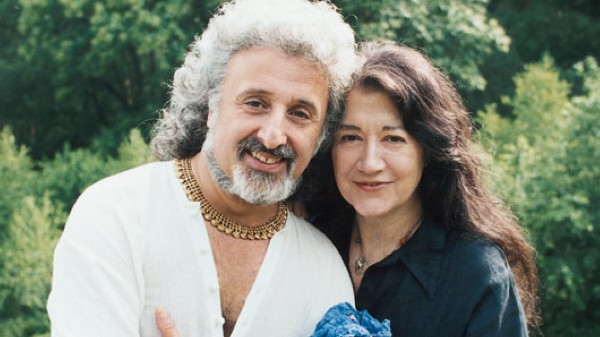
Mischa Maisky and Martha Argerich
For another vivid illustration of Maisky’s chamber music artistry, we only need to look at his collaboration with Martha Argerich in Grieg’s A-minor Cello Sonata. One of the consistent threads in the commentary about this duo is the sense of spontaneity and mutual stimulation.
Argerich’s renowned “fiery temperament” is often cited alongside Maisky’s intense lyricism, suggesting a partnership in which each artist draws out new expressive shades in the other’s playing.
In this Grieg sonata performance, their interplay does not feel hierarchical. Rather, they trade expressive weight seamlessly, with Maisky’s cello sometimes foregrounding the melodic soul of the piece and at other moments responding to Argerich’s piano gestures.
This versatility reflects Maisky’s broader chamber music strengths. He has the ability to adjust his timbral presence and dynamic shading in service of the music’s emotional trajectory. His performance in Op. 36 exemplifies this adaptability, highlighting both the cello’s melodic voice and the dialogic spark that makes chamber music so compelling.
Edvard Grieg: Cello Sonata in A minor, Op. 36
Schubert: Arpeggione Sonata (Weinberger Chamber Orchestra, Takács-Nagy, Maisky)
Franz Schubert’s Arpeggione Sonata, D. 821, occupies a unique place in the chamber music repertoire as it was originally written for the now-obsolete bowed guitar-like arpeggione. But as we know, it has long been embraced by cellists for its inherent lyricism.
Maisky has recorded this piece a number of times with pianist Martha Argerich, and String Magazine writes, “the long, sustained lines of the slow movement unfold with simplicity and emotional directness, producing a warm, expressive depth that underlines why this sonata has become a staple of modern cello chamber repertoire.”
There is also at least one live performance of the Arpeggione Sonata featuring Maisky alongside conductor Gábor Takács-Nagy and the Weinberger Chamber Orchestra, where the work is arranged for cello with string ensemble accompaniment rather than solo piano.
Maisky’s distinctive tone and expressive phrasing do not operate in isolation; instead, they are shaped through active dialogue with Gábor Takács-Nagy and the Weinberger ensemble. He listens and responds, allowing phrasing, tempo, and dynamic shading to evolve organically within the group. This performance confirms Maisky as a deeply communicative chamber musician for whom collaboration is central to interpretation.
Franz Schubert: Sonata for Arpeggione and Pianoforte in A minor, D. 821, arr. Tabakova
Shostakovich: Piano Trio No. 2 in E minor, Op. 67 (Argerich, Kremer, Maisky)
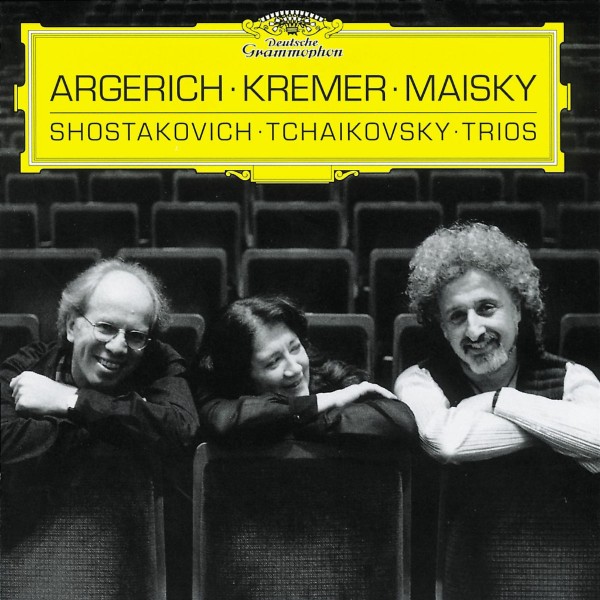
The Piano Trio No. 2 in E minor by Shostakovich, recorded with Martha Argerich and Gidon Kremer, provides a compelling example of Maisky’s chamber legacy because it shows him subordinating virtuosity to ensemble truth.
Rather than projecting a soloistic persona, he becomes a central node in a volatile musical triangle, shaping the drama through balance, timing, and shared emotional risk. The work becomes a tightly coiled dramatic narrative, driven by collective intensity rather than individual display.
Within this ensemble, Maisky’s cello plays a pivotal structural and expressive role. From the eerie opening harmonics to the carefully calibrated blend with Kremer’s brittle violin line and Argerich’s sparse piano texture, Maisky established a tone of restrained unease.
In critical discussions of the trio, Maisky’s contribution is often described as “anchoring the ensemble emotionally,” providing a gravity that stabilises the volatility of the outer movements. Alongside Argerich and Kremer, Maisky demonstrates that great chamber music is not about consensus, but about tension held in common.
Dmitry Shostakovich: Piano Trio No. 2 in E Minor, Op. 67 (Gidon Kremer, violin; Mischa Maisky, cello; Martha Argerich, piano)
Piazzolla: Le Grand Tango (Maisky/Maisky)
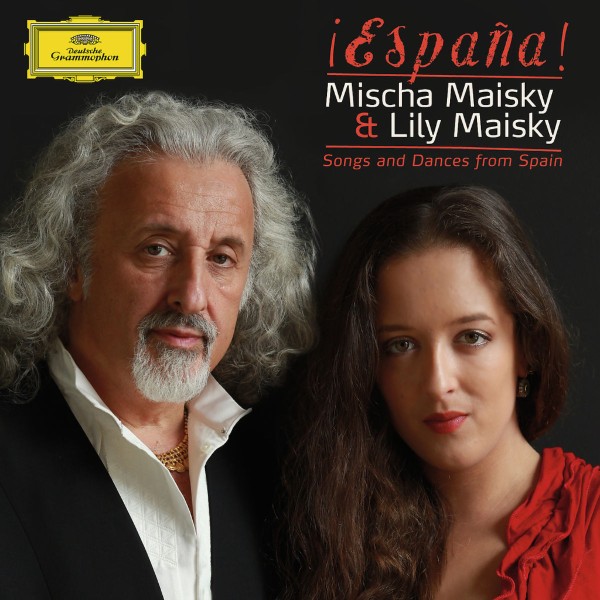
Arguably a non-traditional chamber gem, Piazzolla’s Le Grand Tango features powerful rhythmic urgency and deep lyricism. Maisky’s recording with his daughter Lily illustrates his commitment to expanding chamber repertoire and blending familial rapport with artistic intimacy.
This performance and recording have become an emblem of familial collaboration, highlighting interpretive strength rather than mere novelty. Reviewers and concert commentators repeatedly emphasise not only the duo’s technical command of the piece’s demanding passages, but also the intense musical rapport that defines their partnership.
In concert settings, their reading of the work has been described as “passionate… with close musical chemistry maintained throughout,” from the opening full-bodied cello lines to the final, rhythmically charged dance-like conclusion.
Taken together, these collaborations reveal Mischa Maisky’s chamber music not as a sideline to a distinguished solo career, but as its moral and artistic centre. His cello voice is unmistakable, but it is never self-contained. Instead, it thrives on exchange, risk, and responsiveness, allowing phrasing, colour, and structure to emerge through collaboration rather than assertion.
For more of the best in classical music, sign up for our E-Newsletter