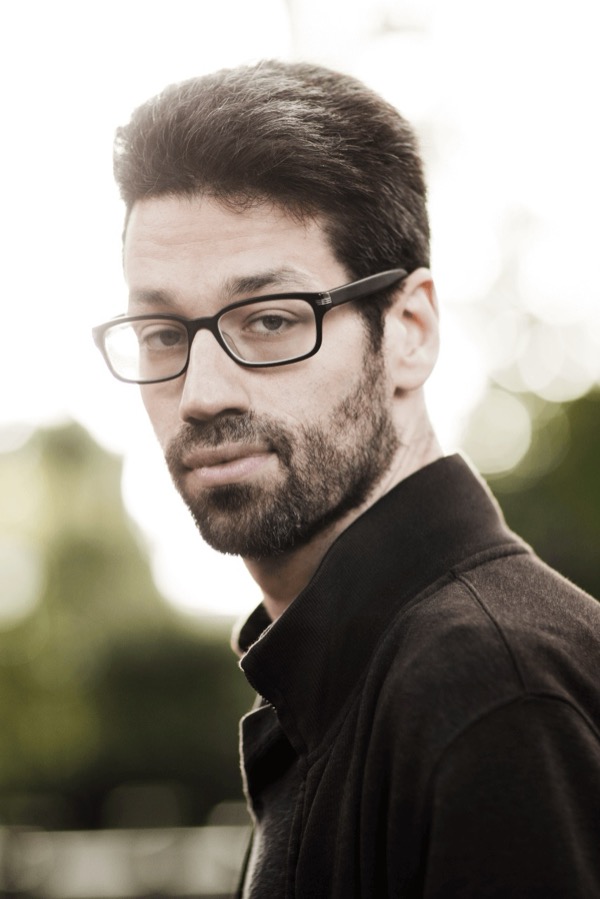
Daniel Müller-Schott, born on 2 November 1976 in Munich, Germany, leapt to global attention by winning first prize at the 1992 International Tchaikovsky Competition for Young Musicians.
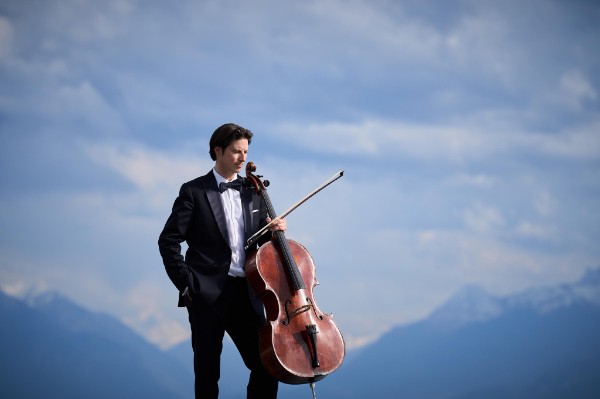
Daniel Müller-Schott
Mentored by Anne-Sophie Mutter and performing with elite orchestras, Müller-Schott blends technical brilliance with profound expressiveness, earning accolades like “fearless technique” from The New York Times.
His 1727 Matteo Goffriller cello, the “Ex-Shapiro,” is a cornerstone of his artistry, enabling him to traverse Baroque, Romantic, and contemporary repertoires with equal mastery. In fact, Sir André Previn and Peter Ruzicka have dedicated cello concertos to him, and his premieres of works by Sebastian Currier and Olli Mustonen highlight his role as a muse for living composers.
To celebrate his birthday on November 2, let’s explore Müller-Schott’s reflections on the role of music in the age of AI.
Daniel Müller-Schott plays Elgar: Cello Concerto (Excerpt)
Music as a Human Sanctuary
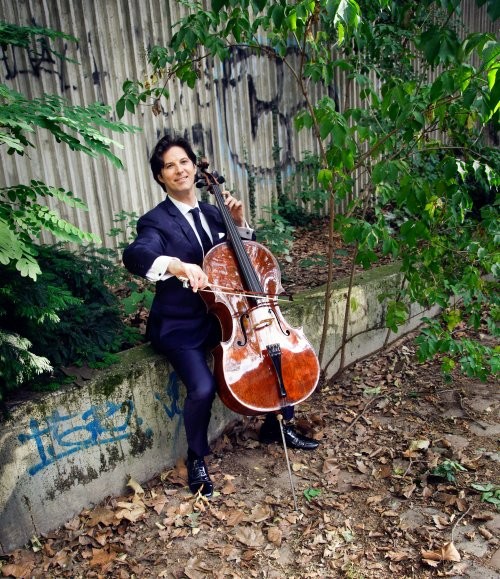
Daniel Müller-Schott © Uwe Arens
The meteoric rise of AI has reshaped industries from healthcare to the arts, driving unprecedented innovation and efficiency while igniting critical discussions about preserving human authenticity and connection.
For Müller-Schott, music in the age of AI serves as a vital counterbalance to the digital detachment fostered by AI’s rapid rise.
He argues that music, as a fundamentally human endeavour, is a sanctuary for authentic human connection, “fostering empathy and dialogue in an era of algorithmic mediation. As such, he sees AI as both a challenge and an opportunity for classical music.
Müller-Schott/Mutter/Previn play Mozart: Trio in B-flat Major, K. 502 (Larghetto)
Preserving the Pulse
Müller-Schott acknowledges its potential to democratise access through tools like AI-generated scores or virtual concert experiences, but he cautions against its risk of diluting the visceral, emotional essence of live performance.
“Music is not just sound, it’s the breath, the sweat, the shared silence in a concert hall,” he remarked in a recent discussion.
He believes that AI, while capable of mimicking patterns, cannot replicate the nuanced imperfections or spontaneous energy of human performance, which are the soul of music’s impact.”
Daniel Müller-Schott plays Lalo: Cello Concerto (Ravel: Habanera)
Bridging Senses and Souls
His interdisciplinary approach amplifies this perspective. At the Vevey Spring Classic, he has explored how music, dance, and visual arts can counteract the isolating effects of technology by engaging multiple senses and fostering communal experiences.
For instance, his Bach-dance project creates a multisensory dialogue that AI cannot replicate, emphasising the physicality and immediacy of human artistry.
He also advocates for music education as a bulwark against AI’s encroachment, arguing that teaching young people to engage with music’s emotional and intellectual depths cultivates resilience against a world increasingly dominated by algorithms.
Joachim Raff: Cello Concerto No. 1 in D Major, Op. 193 (Daniel Müller-Schott, cello; Bamberg Symphony Orchestra; Hans Stadlmair, cond.)
Oases of Connection
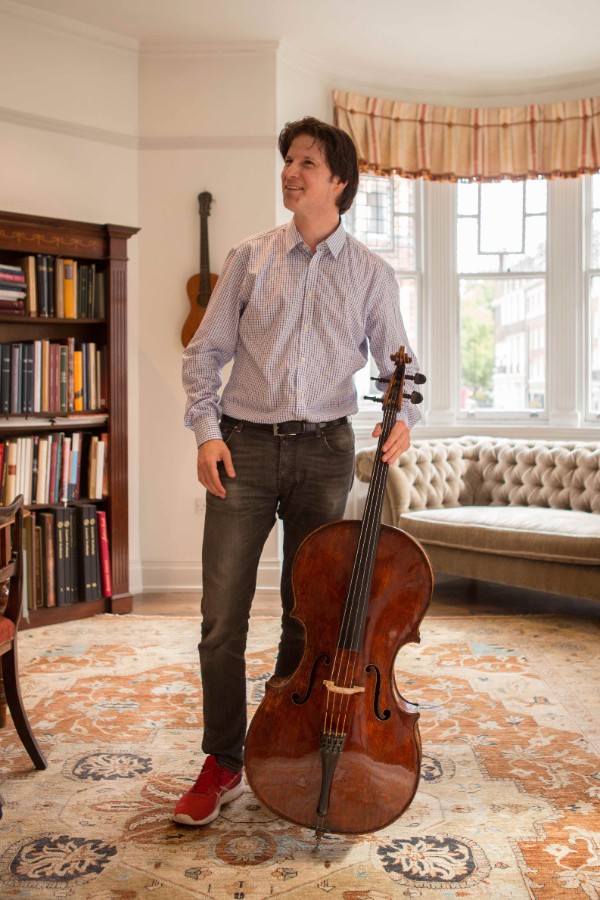
Daniel Müller-Schott
Müller-Schott’s global tours further embody this philosophy. By performing in diverse cultural contexts, he underscores music’s universal language as a means to bridge divides exacerbated by technology.
His lecture-recitals, where he discusses composers’ human struggles alongside their works, invite audiences to connect with music on a personal level, countering AI’s tendency to reduce art to data points.
He envisions concert halls as “oases of human encounter,” where listeners and performers share moments of vulnerability and joy, free from digital intermediaries.
Daniel Müller-Schott plays Bach: Cello Suite No. 5 in C minor
Steward of the Human Spirit
Müller-Schott also reflects on AI’s role in music creation, expressing cautious optimism. While he welcomes tools that assist composers, he insists that true creativity stems from human experience, including grief, love, or triumph, emotions that AI cannot authentically embody.
His own work with new music reflects this commitment to human-driven innovation. He encourages composers to use AI as a tool, not a replacement, ensuring that music remains a reflection of lived experience rather than a sterile product of code.
In a world where AI shapes everything from social interactions to artistic production, Müller-Schott sees musicians as cultural stewards, tasked with preserving the human essence of art. His 2025 tour, themed around “music as connection,” emphasises this mission, with programs designed to spark dialogue and reflection.
Daniel Müller-Schott’s artistry and reflections on music’s role in the age of AI resonate more powerfully than ever. In an era where technology threatens to overshadow human connection, he champions music as a timeless sanctuary for empathy, creativity, and shared experience. As such, he not only preserves the soul of classical music but also redefines its relevance.
For more of the best in classical music, sign up for our E-Newsletter