Finding violin pieces that sound impressive without demanding advanced technique can feel like an impossible task.
But there’s a huge middle ground between beginner repertoire and full-blown virtuoso concertos: accessible, intermediate pieces that sound far more virtuosic than they actually are.
Whether you need a recital showstopper or a competition-friendly work that won’t melt your fingers, this list has you covered.
© medium.com
What Makes a Violin Piece “Sound Hard”?
Here are 8 intermediate violin pieces that sound hard but are surprisingly manageable – with short notes on how each one achieves the effects it does.
For these pieces, we’re focusing on students who haven’t begun the major concertos yet, but who:
- are comfortable in first and third positions, with brief stints in fifth or above
- are beginning to learn more advanced bowing techniques, such as ricochet
- are building physical stamina
- are learning to produce a consistently pleasant tone with vibrato.
Antonio Vivaldi – Presto from Summer, The Four Seasons (1723)
Vivaldi‘s Presto from “Summer” is one of the most famous violin works in the entire repertoire.
It sounds difficult, but once you take a closer look, it’s easier than it first seems.
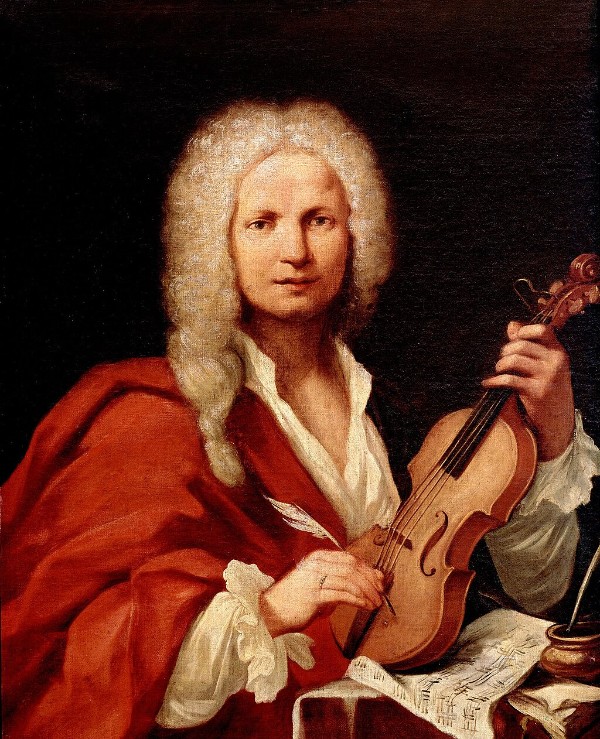
Antonio Vivaldi
Why it’s easier than it sounds:
Like in most Vivaldi pieces, this movement is packed with repeating patterns. That means once you’ve mastered one, you’ll be close to mastering the rest.
Take the opening riff. Yes, the notes pass by quickly, but there are many notes repeated in a row and scrubbing away at the open G- and D-strings.
The perpetual-motion effect here comes more from even bow strokes and string crossings than complex left-hand movements.
The thing that makes it virtuosic is the devilish speed at which professionals take it. But there’s nothing that says you have to abide by the same breakneck pace they do. This gives students some flexibility that other, harder pieces don’t offer.
Charles-Auguste de Bériot – Fantaisie ou Scène de Ballet (c. 1836)
It would be easy to mistake this for a full-fledged virtuoso showpiece, but Bériot’s Scène de Ballet is actually tailored to pre-professional players.
It sounds operatic (some might even say balletic), and features passages of charming, bravura Romantic violin writing.

Charles-Auguste de Bériot © mblogthumb4.phinf.naver.net
Why it’s easier than it sounds:
Charles-Auguste de Bériot was a violinist himself, and he knew how to write for the instrument: how to avoid the gnarliest string crossings, as well as which shifts and runs are easier to hit than others.
True, some licks get a little finger-twisty here and there, but they all fit well under the hand. If you’ve been practising your scales and arpeggios, you should be in good shape.
Another thing that makes it easier: it features long-breathed operatic sections sprinkled in between showy fireworks, meaning you’ll always be varying what your bow arm is doing.
This natural alternation also helps prevent fatigue: something that can derail intermediate players even when the notes themselves are manageable.
Henryk Wieniawski – Légende in G-minor (1859)
Wieniawski‘s Légende is a mysterious-sounding piano-and-violin piece that gives an intermediate violinist the chance to learn how to tell a story in music.
The challenge here is musical, not technical – which makes it ideal for building tone, vibrato, bow control, and expressivity.
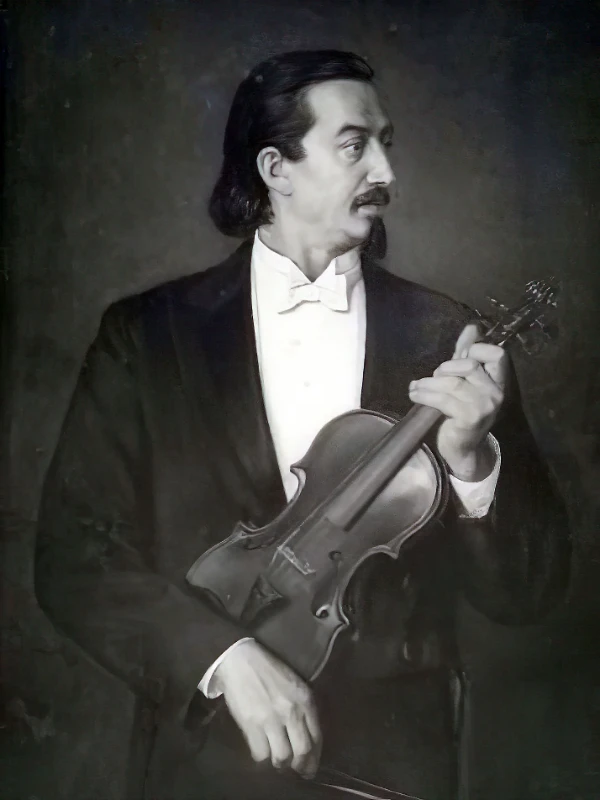
Henryk Wieniawski
Why it’s easier than it sounds:
The tempo is moderate, so, save for a passage or two, there’s no need to do metronome work to bring it up to speed.
The fingerings also – for the most part – remain in accessible positions. This is not a piece that uses the extreme upper register of the instrument.
Plus, the magical double-stops use open-string drones, a gift when you’re still learning to tune sixths and thirds cleanly. It’s always easier to stop one string compared to two.
Friedrich Seitz – Concerto No. 2 (1893)
This is one of the most widely played intermediate student concertos ever, made famous by its appearance in Suzuki Book 4.
There’s a reason it’s so popular. Seitz’s Concerto No. 2 sounds like a bona fide miniature Romantic concerto, with bold, fast passages alternating with songlike, slower sections.
Friedrich Seitz
Why it’s easier than it sounds:
You never need to leave first position once, if you don’t want to! This makes it ideal for students still stabilising their shifts.
Plus, the double stop sections are made up of easier double stops all played in first position, which makes it easier to make them ring.
It’s also a great piece for learning how to project a solo line over an accompaniment.
Antonín Dvořák – Sonatina (1893)
Dvořák wrote his Sonatina for his children, dialing back the technical level for that reason.
However, don’t let the humble origin story fool you. This is not just a student piece; virtuosos as well as students enjoy playing it.
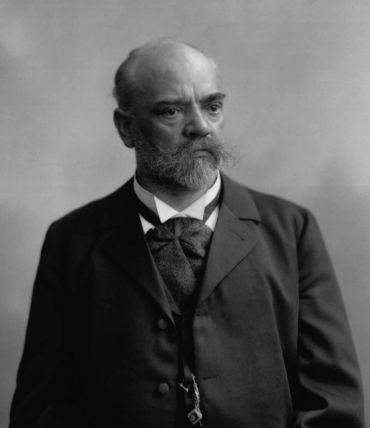
Antonín Dvořák, 1904
Why it’s easier than it sounds:
Dvořák also played the violin, so he knew exactly how to write effectively for the instrument. He also knew how to get various effects in the easiest and most effective ways.
Most of the sonatina is written for first or third position, with limited forays into fifth. This alone helps ensure it’s one of the most accessible Romantic Era violin-and-piano works.
The first and last movements feel lively without being overwhelming, and can be taken at a slightly slower pace than the pros while still retaining all their charm and impact.
Jules Massenet – Méditation from Thaïs (1894)
One of the most recognizable violin solos ever written, Massenet‘s “Méditation” has an angelic, floating quality that makes it a recital staple.
Even if you’ve only been playing a relatively short time, you’re probably closer to a performance of the “Méditation” than you think.
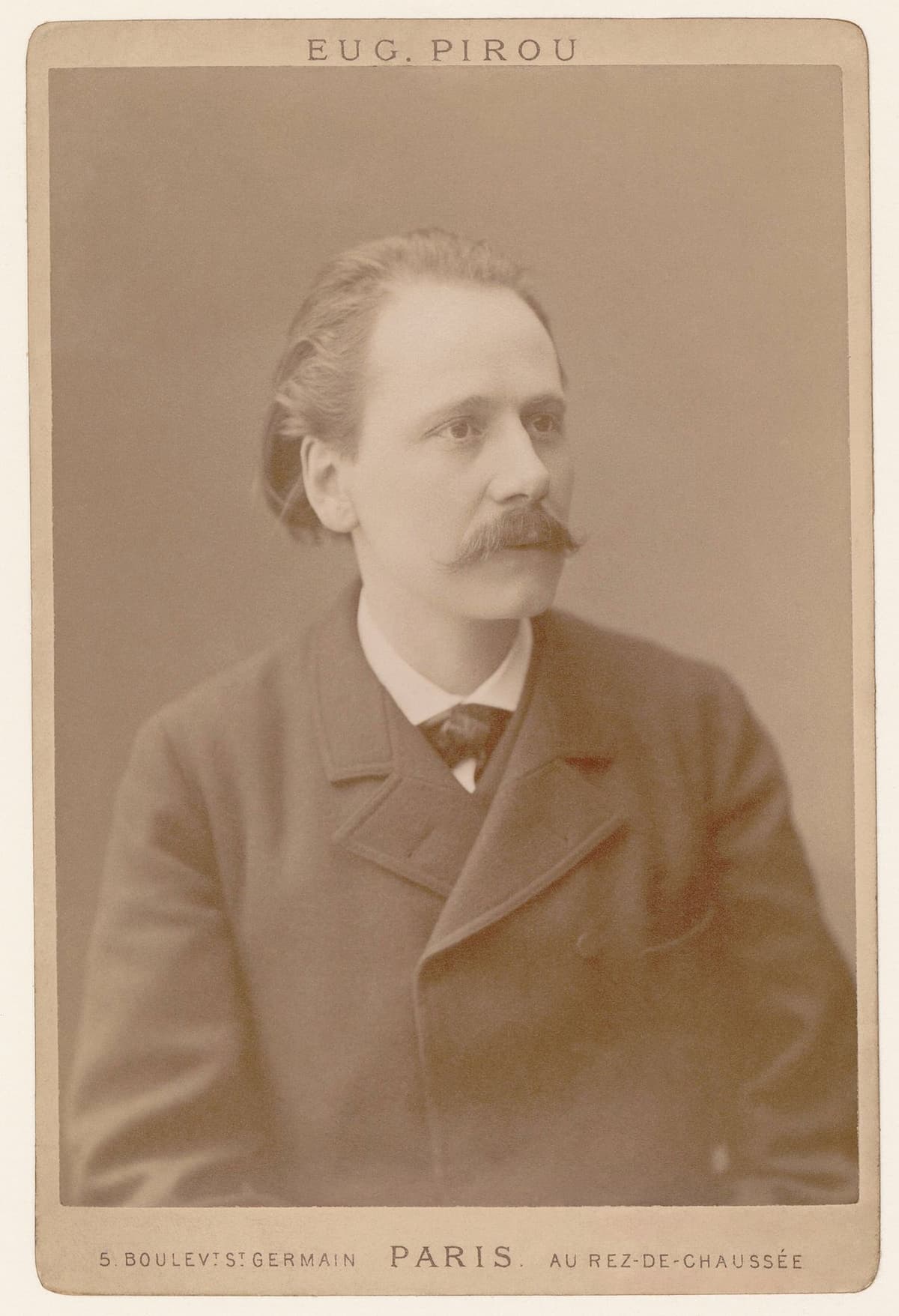
Jules Massenet
Why it’s easier than it sounds:
The relaxed tempo really helps the difficulty level here. It also doesn’t have much high obligatory position work, and what it does have lies naturally under the hand.
It’s also written in the key of D-major. D-major, along with G-major, is one of the two easiest keys to play on a violin to get it to resonate. Doing so can help a player learn important skills about active listening and intonation adjustment.
Here, tone production matters more than advanced technique, making it an ideal training ground for expressive playing.
Vittorio Monti – Csárdás (1904)
Monti’s Csárdás is iconic, and it will get stuck in your head for days. It comes across as an easier version of Sarasate‘s famous Zigeunerweisen.
Vittorio Monti
Why it’s easier than it sounds:
Once you nail that big opening slide up the G-string, the line moves around in steps, so there’s not a lot of shifting guesswork to be done here. The visual effect, though, is spectacular and looks like you’re ready to slide all the way up and down the fingerboard.
Beginners often assume Csárdás requires Paganini-level pyrotechnics, but the bulk of the writing is actually stepwise and idiomatic.
The finale, although it’s meant to be fast, can be taken at a slightly reduced tempo while still sounding convincing.
Béla Bartók – Romanian Folk Dances, arranged by Zoltán Székely (1915)
Bartók‘s “Romanian Folk Dances” are a highlight of the student violinist’s twentieth century repertoire.
It’s brooding, dynamic, and even a touch slinky at times.
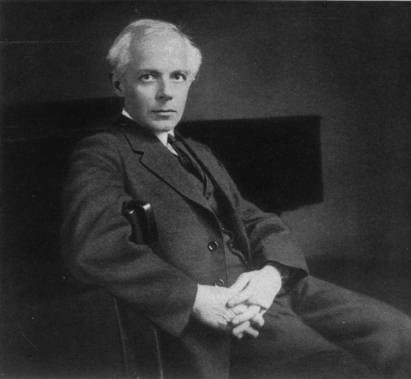
Béla Bartók, 1927
Why it’s easier than it sounds:
Each movement is short – sometimes just a matter of ninety seconds – which means it’s easy to split up for practice sessions.
The Dances are accessible thanks to their relatively straightforward position work and friendly drone double-stops.
Yet despite their middling technical difficulty, the Dances’ contrasts and harmonies give off the impression of a serious, adult, professional concert work.
Conclusion
At a certain point in their musical journey, many players start searching for pieces that offer a big musical payoff without the need to cultivate a professional virtuoso technique.
For intermediate violinists looking for repertoire that sounds polished and impressive without requiring advanced concerto technique, these works offer a perfect next step.
These eight intermediate pieces build tone, confidence, and expressive skills while giving you the thrill of sounding far more advanced than you are – an ideal bridge toward the many major Romantic concertos and sonatas yet to come.
For more of the best in classical music, sign up for our E-Newsletter